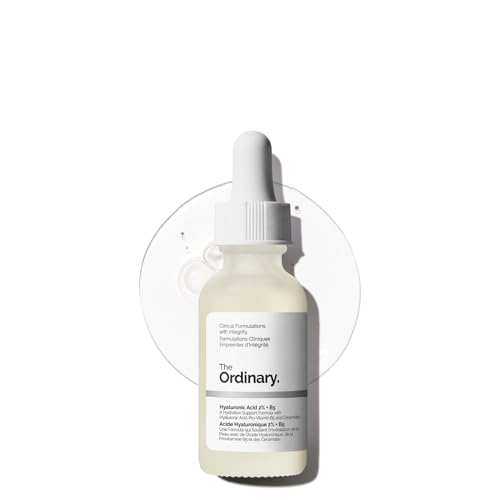
Skin Serum for Dry Skin: Your Complete Guide
Discover how the right serum can transform dry, tight, and flaky skin into a soft, supple, and glowing complexion. Learn the key ingredients, application techniques, and how to choose the perfect formula for your skin's needs.
EXPLORE TOP SERUM PICKSWhy Serums Matter for Dry Skin: Unlike moisturizers that primarily sit on the surface, serums deliver concentrated active ingredients deep into the skin. For dry skin, the right serum can replenish moisture, repair the skin barrier, and prevent transepidermal water loss — key steps that a moisturizer alone cannot achieve.
Understanding Dry Skin and Why It Needs a Serum
Dry skin is not simply a cosmetic concern — it is a signal that your skin's moisture barrier is compromised. When the outer layer of skin lacks sufficient lipids (fats) and water, it becomes rough, tight, and prone to irritation. Environmental factors like cold weather, indoor heating, harsh cleansers, and aging all contribute to moisture loss, making a targeted skin serum for dry skin an essential part of any skincare routine.
Serums are uniquely formulated with smaller molecules that penetrate more deeply than creams or lotions. This means hydrating ingredients like hyaluronic acid and glycerin can draw water into the skin from deeper layers and the environment, while barrier-repairing actives like ceramides and niacinamide help rebuild the skin's protective structure. Whether your skin is mildly dry or severely dehydrated, the right serum can make a noticeable difference within weeks of consistent use.
Key Ingredients to Look for in a Serum for Dry Skin
When shopping for a serum to address dry skin, the ingredient list matters more than the marketing claims. Here are the most effective and well-researched ingredients to prioritize:
Hyaluronic Acid
A powerful humectant that can hold up to 1,000 times its weight in water. It draws moisture into the skin, providing immediate plumping and smoothing effects. Look for multi-molecular weight formulas for both surface and deeper hydration.
Ceramides
These naturally occurring lipids make up a significant portion of the skin barrier. Serums with ceramides help reinforce the skin's protective layer, reducing water loss and improving resilience against environmental stressors.
Squalane
A lightweight, plant-derived oil that mimics the skin's natural sebum. Squalane softens and smooths without feeling greasy, making it ideal for layering under moisturizer to seal in hydration.
Panthenol (Vitamin B5)
Known for its soothing and healing properties, panthenol helps calm irritation while attracting and retaining moisture. It is especially beneficial for dry skin that is also sensitive or reactive.
Niacinamide
This form of vitamin B3 strengthens the skin barrier, improves moisture retention, and helps balance oil production. It is well-tolerated by most skin types and pairs well with hyaluronic acid.
Glycerin
A classic humectant that draws water into the skin. Glycerin is affordable, effective, and found in many well-formulated serums. It works best when combined with occlusive ingredients in a moisturizer.
How to Choose the Right Serum for Your Dry Skin
Not all dry skin serums are created equal. The ideal formula depends on your skin's specific condition, sensitivities, and lifestyle. Use the following guidelines to narrow down your options:
- For severely dry or flaky skin: Look for serums with ceramides, squalane, or shea butter derivatives. These provide both hydration and barrier reinforcement.
- For dehydrated but not flaky skin: A hyaluronic acid or glycerin-based serum layered under a natural moisturizer for dry skin is often sufficient.
- For dry skin with sensitivity: Choose fragrance-free, minimalist formulas with soothing ingredients like panthenol or snail mucin.
- For dry skin with signs of aging: Consider serums that combine hydration with peptides or retinol — but introduce actives gradually.
- For dry skin with acne concerns: Opt for non-comedogenic, lightweight formulas. Niacinamide serums can help balance oil without stripping moisture.
If you are unsure about your skin type or need help building a routine, our getting started guide offers a comprehensive overview. For those exploring natural options, our organic serum selection highlights clean, plant-based formulas.
How to Apply Serum for Maximum Hydration
Even the best serum can underperform if applied incorrectly. Follow these steps to get the most out of your dry skin serum:
- Cleanse gently: Use a non-stripping cleanser — our guide to micellar water for sensitive skin is a great starting point for a gentle cleanse.
- Apply to damp skin: Serums work best when the skin is slightly damp, as this helps lock in moisture. A hydrating toner or rose water mist can prepare the skin.
- Use the right amount: A pea-sized amount is sufficient for the full face and neck. Over-application can cause pilling or irritation.
- Press, don't rub: Gently press the serum into the skin with your palms to aid absorption.
- Layer with moisturizer: Always follow with a moisturizer to seal in hydration. For very dry skin, a skin oil for dry skin can be added as the final step at night.
- Be consistent: Use your serum twice daily for best results. Morning application protects against daytime moisture loss; evening application supports overnight repair.
Comparing Serum Types for Dry Skin
| Serum Type | Key Ingredients | Best For | Typical Texture |
|---|---|---|---|
| Hyaluronic Acid Serum | Hyaluronic acid, glycerin, panthenol | Dehydrated skin needing immediate plumping | Lightweight, watery gel |
| Ceramide Serum | Ceramides, cholesterol, fatty acids | Compromised barrier, flaky or tight skin | Creamy, lotion-like |
| Squalane Serum | Squalane, vitamin E, botanical oils | Dry skin needing emollient nourishment | Silky, oil-based |
| Niacinamide Serum | Niacinamide, zinc, hyaluronic acid | Dry skin with oiliness or sensitivity | Lightweight, water-based |
| Peptide Serum | Peptides, amino acids, hyaluronic acid | Mature dry skin seeking firmness and hydration | Lightweight to medium |
| Snail Mucin Serum | Snail secretion filtrate, allantoin, panthenol | Dry, irritated skin needing repair | Viscous, gel-like |
Common Mistakes to Avoid When Using Serum for Dry Skin
Even well-formulated serums can fail if used incorrectly. Avoid these common pitfalls:
- Skipping moisturizer: Serums alone cannot seal in hydration. Without a moisturizer on top, water can evaporate from the skin, leaving it drier than before.
- Applying to dry skin: Hyaluronic acid serums applied to completely dry skin may draw moisture from deeper layers rather than the environment, causing tightness. Always apply to damp skin.
- Layering too many actives: Combining multiple strong actives (like retinol and strong acids) can irritate dry skin. Keep your routine simple and focused on hydration and repair.
- Using the wrong formula for your climate: In very dry climates, a humectant-heavy serum without an occlusive layer may not be enough. Pair with a richer moisturizer or facial oil.
- Neglecting the neck and décolletage: These areas are often the first to show dryness. Extend your serum application beyond the face.
For personalized guidance on building a routine that suits your skin and environment, explore our minimalist skincare philosophy or consult a skin care clinic for professional advice.
Ready to Transform Your Dry Skin?
Explore our curated selection of top-rated serums for dry skin, carefully chosen for their effective formulas and proven ingredients.
VIEW RECOMMENDED SERUMSFrequently Asked Questions About Serum for Dry Skin
What is the best serum for dry skin?
The best serum depends on your specific skin condition. Hyaluronic acid serums are excellent for drawing moisture into the skin, while ceramide-based serums repair the barrier. For added nourishment, look for squalane or panthenol. Sensitive dry skin benefits most from fragrance-free, minimalist formulas.
When should I apply serum for dry skin?
Apply serum to clean, slightly damp skin both morning and evening. Morning application helps protect against daytime moisture loss, while evening application supports overnight repair. Always follow with a moisturizer to lock in hydration.
Can I use serum if I have dry skin and acne?
Yes, but choose non-comedogenic, lightweight formulas. Hyaluronic acid and niacinamide serums are generally safe for dry, acne-prone skin. Avoid heavy oils or rich formulas that may clog pores, and always patch test new products.
How long does it take to see results from a dry skin serum?
Most hydrating serums provide immediate temporary plumping. However, consistent use over four to eight weeks is typically needed to see lasting improvements in skin texture and moisture retention, especially with barrier-repairing ingredients.
Is expensive serum always better for dry skin?
Not necessarily. Many affordable and mid-tier serums contain proven ingredients like hyaluronic acid, glycerin, and niacinamide. Premium and luxury serums may offer advanced delivery systems or rare botanical extracts, but effective dry skin care can be achieved across all tier levels when the formulation suits your skin.
Continue Your Skincare Journey: Explore more of our expert guides to build a complete routine for dry skin. Learn about non-greasy moisturizers for dry skin, discover the benefits of skin oils for dry skin, or find the perfect sun cream for dry skin to protect your hydrated complexion.