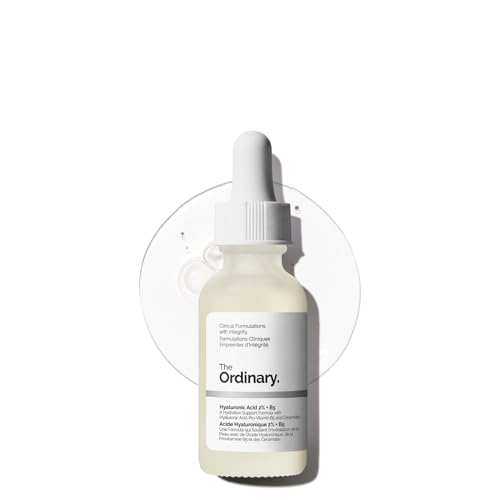
What Is a Face Serum?
A face serum is a lightweight, fast-absorbing formula packed with a high concentration of active ingredients. Unlike moisturizers, which primarily hydrate and seal in moisture, serums penetrate deeper to address specific skin concerns such as dullness, uneven tone, dehydration, fine lines, and texture. Because their molecules are smaller, they can deliver ingredients like vitamin C, hyaluronic acid, retinol, and peptides more effectively.
Serums are not a replacement for moisturizer — they are a targeted treatment layer that works best when used consistently as part of a complete routine. If you are building your routine from scratch, start with our getting started guide to see where serums fit in.
Types of Serums and What They Do
Understanding the main categories of serums helps you choose based on your skin goals rather than marketing claims. Here are the most common and well-researched serum types:
Hyaluronic Acid Serum
A humectant that draws water into the skin, plumping fine lines and improving bounce. Ideal for all skin types, especially dehydrated or tight-feeling skin. Works best applied to damp skin and sealed with moisturizer.
Vitamin C Serum
An antioxidant that helps brighten dull skin, even out tone, and defend against environmental stressors. Look for stabilized formulas in opaque packaging. Best used in the morning under sunscreen.
Retinol Serum
A vitamin A derivative that supports cell turnover and collagen production. Effective for fine lines and texture, but requires gradual introduction. Best used at night with consistent sun protection during the day.
Niacinamide Serum
Vitamin B3 that supports the skin barrier, helps regulate oil, and visibly improves uneven tone. Generally well tolerated and easy to layer with other actives.
Peptide Serum
Amino acid chains that signal the skin to support its own renewal processes. A gentle, well-tolerated option for early signs of aging and barrier support.
Snail Mucin Serum
A popular K-beauty ingredient valued for its hydrating and soothing properties. Often used to support recovery and calm stressed skin. See our snail mucin serum guide for details.
Serum Comparison at a Glance
The table below summarizes how the most common serum types compare across key factors. Use it as a quick reference when narrowing down your options.
| Serum Type | Primary Goal | Best For | Time of Use | Typical Tier |
|---|---|---|---|---|
| Hyaluronic Acid | Hydration & plumping | All skin types, dehydration | AM & PM | Entry-level to premium |
| Vitamin C | Brightening & antioxidant | Dull, uneven, sun-exposed skin | AM | Mid-range to luxury |
| Retinol | Anti-aging & texture | Fine lines, mature skin | PM | Mid-tier to top-tier |
| Niacinamide | Barrier & tone | Oily, uneven, sensitive skin | AM & PM | Budget-friendly to mid-range |
| Peptides | Firmness & repair | Early aging, barrier support | AM & PM | Mid-range to high-end |
| Snail Mucin | Soothing & hydration | Stressed, recovering skin | AM & PM | Affordable to mid-priced |
How to Choose the Right Serum for Your Skin
Choosing a serum comes down to three questions: what is your primary concern, how does your skin react to active ingredients, and how much routine can you realistically maintain?
- Identify your primary goal. Brightening, hydration, anti-aging, oil control, or barrier repair. Focus on one or two goals at a time.
- Start with one new serum. Introduce a single product and use it consistently for several weeks before adding another. This makes it easier to tell what is working.
- Consider your skin type. Dry skin often responds well to hydrating serums and gentle oils; oily skin may benefit from niacinamide; sensitive skin should favor fragrance-free, minimalist formulas. See our minimalist skincare guide for a pared-down approach.
- Check the packaging. Antioxidant-rich serums like vitamin C are best protected in opaque, air-restrictive containers.
- Think about layering. Apply from thinnest to thickest. If you use a vitamin C serum in the morning, follow with moisturizer and sunscreen. If you use retinol at night, moisturize well afterward.
If your skin is easily irritated, consider patch testing on a small area first. Our guide to non-toxic skincare and clean beauty can help you filter out unnecessary ingredients.
How to Layer Serums Correctly
The order in which you apply products affects how well they absorb. A simple layering framework:
- Cleanse — start with a clean base. A gentle face wash or oil cleanser works well.
- Tone — optional, but a hydrating toner can prep the skin.
- Serum — apply your thinnest serum first. Wait briefly between layers if using two serums.
- Eye cream — if you use one, apply it around the eyes now.
- Moisturizer — seal everything in. Choose a formula suited to your skin type, such as a non-comedogenic moisturizer for oily skin or a sensitive skin moisturizer.
- Sunscreen (morning only) — always finish your AM routine with sun protection. See our mineral sunscreen and non-greasy sunscreen guides.
At night, after your serum and moisturizer, you can add a facial oil if your skin is dry. Explore organic face oils or skin oils for dry skin for options.
Common Serum Mistakes to Avoid
- Using too many actives at once. Layering strong acids, retinoids, and high-concentration vitamin C in the same routine can overwhelm the skin.
- Skipping moisturizer. Serums are not occlusive. Without a moisturizer on top, hydration can evaporate and actives may feel irritating.
- Ignoring sunscreen. If you use brightening or anti-aging serums without daily SPF, you undermine the results.
- Expecting overnight results. Most serums need several weeks of consistent use before visible changes appear.
- Storing products incorrectly. Heat and light degrade active ingredients. Keep serums in a cool, dark place.
Frequently Asked Questions About Serums
Ready to Build Your Serum Routine?
Browse our recommended serums below, or explore related guides on organic serums, serums for dry skin, and serums for lashes and brows.
SEE RECOMMENDED SERUMS