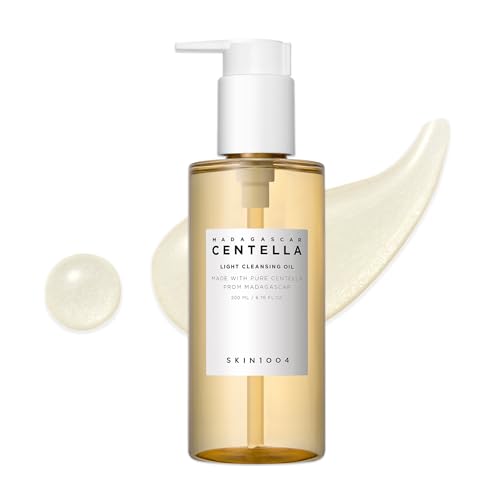
Oil Face Cleanser: The Complete Guide to Cleaner, Healthier Skin
Everything you need to know about oil cleansers — how they work, who they're for, how to use them correctly, and how to choose the right formula for your skin type.
Oil face cleanser has moved from a niche Korean beauty secret to a staple in skincare routines worldwide. Unlike traditional foaming cleansers that can leave skin tight and stripped, oil cleansers dissolve makeup, sunscreen, and excess sebum while preserving the skin's natural moisture barrier. Whether you have dry, oily, combination, or sensitive skin, understanding how oil cleansing works can transform the way you care for your face. This guide walks you through the science, the benefits, the types, and the exact steps to cleanse effectively.
What Is an Oil Face Cleanser?
An oil face cleanser is a cleansing product formulated with a blend of cosmetic oils and emulsifiers. The core principle is simple: like dissolves like. Sebum, waterproof mascara, long-wear foundation, and mineral sunscreen are all oil-based substances. Water alone cannot break them down effectively. An oil cleanser binds to these oil-soluble impurities, lifts them from the skin, and then — thanks to emulsifiers — rinses away cleanly with water without leaving a greasy film.
This mechanism makes oil cleansers fundamentally different from water-based or foaming cleansers, which rely on surfactants to strip away dirt and oil. While surfactants can be effective, they often disrupt the skin barrier when used aggressively. Oil cleansing offers a gentler alternative that respects the skin's acid mantle and natural lipid balance.
How Oil Cleansing Works: The Science Explained
Your skin naturally produces sebum, a waxy, oil-based substance that protects and lubricates the skin. Throughout the day, sebum mixes with dead skin cells, sweat, pollution, and product residue to form a layer on the skin's surface. Oil-based makeup, sunscreen, and environmental pollutants are also lipophilic (oil-loving), meaning they bind readily to oil molecules.
When you massage an oil cleanser onto your skin, the oils in the formula attract and dissolve these lipophilic impurities. The emulsifiers in the product then allow the oil — now loaded with dissolved grime — to combine with water and rinse away. This is why a properly formulated oil cleanser leaves skin feeling clean, soft, and comfortable rather than tight or dry.
For those who follow the popular double cleansing method, the oil cleanser serves as the first step, breaking down makeup and sunscreen, while a water-based cleanser follows to remove sweat, dirt, and any remaining residue. This two-step approach is especially valuable for anyone who wears sunscreen daily or lives in a polluted urban environment.
Key Benefits of Using an Oil Face Cleanser
Effective Makeup Removal
Oil cleansers effortlessly dissolve waterproof mascara, transfer-proof lipstick, and long-wear foundation that water-based cleansers struggle to remove completely.
Preserves the Skin Barrier
Unlike harsh foaming cleansers, oil cleansers do not strip the skin's natural lipids, helping maintain a healthy moisture barrier and reducing irritation.
Balances Oil Production
Counterintuitively, oil cleansing can help oily skin. By thoroughly removing excess sebum without over-drying, the skin is less likely to overcompensate by producing more oil.
Gentle on Sensitive Skin
Fragrance-free, non-comedogenic oil cleansers are often better tolerated by sensitive or reactive skin than traditional surfactant-heavy cleansers.
Dissolves Sunscreen Thoroughly
Modern sunscreens are designed to be water-resistant and durable. Oil cleansers break down even mineral and water-resistant formulas effectively.
Leaves Skin Soft and Supple
Many oil cleansers contain nourishing botanical oils that leave the skin feeling conditioned, smooth, and comfortable after rinsing.
Types of Oil Face Cleansers
Not all oil cleansers are created equal. The formulation, base oils, and emulsifier content determine how a product performs on different skin types. Here is a breakdown of the most common categories:
| Type | Key Characteristics | Best For | Market Tier |
|---|---|---|---|
| Cleansing Balm | Solid at room temperature, melts into oil on contact with skin. Rich and luxurious texture. | Dry, mature, or normal skin; evening double cleanse | Entry-level to luxury |
| Cleansing Oil | Liquid oil formula, often with emulsifiers for easy rinsing. Lightweight to medium weight. | All skin types, especially normal to oily | Budget-friendly to premium |
| Micellar Oil Water | Hybrid formula combining micellar technology with oil. Very lightweight, no rinse required. | Sensitive skin, quick makeup removal, travel | Mid-range |
| Two-Phase Oil Cleanser | Separate oil and water layers that must be shaken before use. Bi-phase formula. | Waterproof makeup removal, oily skin | Entry-level to mid-range |
| Balm-to-Oil-to-Milk | Transforms from solid balm to oil to milky emulsion upon water contact. Multi-texture experience. | All skin types, luxury skincare enthusiasts | Premium to luxury |
Understanding Base Oils
The base oils in an oil cleanser determine its texture, comedogenicity, and skin benefits. Common base oils include:
- Mineral oil: Inert, non-comedogenic, and highly effective at dissolving makeup. Often found in budget-friendly formulas.
- Jojoba oil: Structurally similar to human sebum, making it well-tolerated by most skin types, including oily skin.
- Sunflower seed oil: Lightweight, rich in linoleic acid, and gentle on sensitive skin.
- Coconut oil: Effective cleanser but potentially comedogenic for acne-prone skin; best for body or dry skin types.
- Olive oil: Nourishing and rich, ideal for dry or mature skin, but may be too heavy for oily types.
- Grapeseed oil: Lightweight and non-greasy, suitable for combination and oily skin.
If you have acne-prone or reactive skin, look for oil cleansers labeled non-comedogenic and formulated with lighter oils like jojoba, grapeseed, or sunflower. Those with dry or mature skin may prefer richer balms or formulas containing olive or avocado oil. For a broader look at gentle cleansing alternatives, explore our guide to micellar water for sensitive skin.
How to Use an Oil Face Cleanser Correctly
Proper technique makes a significant difference in how well an oil cleanser performs. Follow these steps for the best results:
- Start with dry hands and a dry face. Oil cleansers work best when applied to dry skin. Water can prematurely emulsify the product before it has a chance to dissolve makeup and sebum.
- Dispense the right amount. Use one to two pumps of liquid cleanser or a pea-sized amount of balm. Adjust based on how much makeup or sunscreen you are wearing.
- Massage gently. Use your fingertips to massage the oil into your skin in circular motions. Focus on areas with makeup buildup — around the eyes, along the jawline, and the sides of the nose. Massage for 30 to 60 seconds.
- Add water to emulsify. Wet your hands and continue massaging. The oil should turn milky white as the emulsifiers activate. This step is crucial for ensuring the cleanser rinses cleanly.
- Rinse thoroughly. Use lukewarm water to rinse away the emulsified oil. Avoid hot water, which can strip the skin and cause irritation.
- Follow with a water-based cleanser. For a complete double cleanse, follow with a gentle gel or foam cleanser to remove any remaining residue and water-soluble impurities.
- Pat dry and continue your routine. Gently pat your face dry with a clean towel and proceed with toner, serum, and moisturizer.
The Double Cleansing Method: Why It Matters
Double cleansing is the practice of using an oil-based cleanser first, followed by a water-based cleanser. This method originated in Korean skincare and has since become a global standard for thorough facial cleansing. The rationale is straightforward: oil cleansers remove oil-soluble impurities (makeup, sunscreen, sebum), while water-based cleansers remove water-soluble impurities (sweat, dirt, water-based product residue).
Double cleansing is particularly beneficial if you wear sunscreen daily, use long-wear or waterproof makeup, live in a polluted environment, or have oily or acne-prone skin. However, it is not mandatory for everyone. Those with dry or sensitive skin may find that a single oil cleanse followed by a gentle rinse is sufficient, especially on days without makeup. If you prefer a minimalist approach, explore our guide to minimalist skincare for streamlined routines.
How to Choose the Right Oil Face Cleanser
Selecting the right oil cleanser depends on your skin type, lifestyle, and preferences. Consider the following factors:
- Skin type: Oily and acne-prone skin benefits from lightweight, non-comedogenic oils like grapeseed or jojoba. Dry skin may prefer richer balms with olive or avocado oil.
- Emulsifier content: A good oil cleanser should contain emulsifiers so it rinses cleanly. Without emulsifiers, oil can leave a residue that may clog pores.
- Fragrance: If you have sensitive skin, choose a fragrance-free formula to minimize the risk of irritation.
- Packaging: Pump bottles are convenient for liquid oils, while jars work well for balms. Consider hygiene — a spatula for balms helps avoid contamination.
- Additional ingredients: Some oil cleansers include antioxidants, vitamin E, or plant extracts for added skincare benefits.
- Market tier: Entry-level and budget-friendly options can be effective, while premium and luxury formulas may offer more elegant textures and additional skin benefits. The best choice depends on your priorities and skin needs.
For those who prefer natural and plant-based formulations, our guide to natural beauty and organic face oil provides further inspiration. If you are building a complete skincare routine, consider how an oil cleanser fits alongside toners, serums, and moisturizers — our getting started guide offers a helpful overview.
Common Oil Cleansing Mistakes to Avoid
- Applying to a wet face: Oil cleansers should be applied to dry skin. Water causes premature emulsification and reduces cleansing efficacy.
- Skipping the emulsification step: Adding water and massaging until the oil turns milky is essential for a clean rinse. Skipping this step can leave residue that clogs pores.
- Using hot water: Hot water strips the skin and can worsen sensitivity. Lukewarm water is ideal.
- Not rinsing thoroughly: Residual oil can attract dirt and lead to breakouts. Rinse until the water runs clear.
- Using the wrong oil for your skin type: Heavy oils like coconut oil may be comedogenic for acne-prone skin. Choose oils suited to your skin type.
- Over-cleansing: Cleansing more than twice daily or using multiple harsh products can compromise the skin barrier. Balance is key.
Frequently Asked Questions About Oil Face Cleanser
Is oil face cleanser suitable for oily skin?
Yes. Oil cleansers work on the principle that like dissolves like, so they effectively break down excess sebum and sunscreen without stripping the skin. Non-comedogenic formulas are ideal for oily skin types. In fact, many people with oily skin find that oil cleansing helps balance oil production over time.
How often should I use an oil face cleanser?
Most people benefit from using an oil cleanser once daily as part of an evening double cleanse routine. If you wear heavy makeup or sunscreen, daily use is recommended. Those with dry or sensitive skin may use it every other day if preferred.
Do I need a second cleanser after oil cleansing?
A second water-based cleanser is recommended to remove any oil residue and ensure a thorough cleanse, especially if you have oily or acne-prone skin. However, if your oil cleanser rinses completely clean and your skin feels comfortable, a second cleanse may not be necessary every time.
Can oil face cleanser remove waterproof makeup?
Yes. Oil cleansers are highly effective at breaking down waterproof mascara, long-wear foundation, and stubborn sunscreen that water-based cleansers may leave behind. This makes them ideal for evening cleansing.
Will oil cleansing cause breakouts?
Not necessarily. The key is choosing a non-comedogenic formula and ensuring thorough rinsing. If you are prone to breakouts, look for oil cleansers with lighter oils like jojoba, grapeseed, or sunflower, and always follow with a water-based cleanser.
Can I use oil face cleanser if I have rosacea or eczema?
Many people with rosacea or eczema tolerate oil cleansers well because they are gentle and do not strip the skin barrier. However, it is important to choose fragrance-free, minimal-ingredient formulas and to patch-test first. Consult a dermatologist if you have concerns.
Ready to Find Your Perfect Oil Cleanser?
Explore our curated selection of recommended oil face cleansers below, chosen for effectiveness, ingredient quality, and skin compatibility across all skin types.
View Recommended Products ↓Continue Your Skincare Journey
Oil cleansing is just one part of a well-rounded skincare routine. If you are building or refining your regimen, these guides can help: learn about sensitive skin moisturizer options, explore non-comedogenic moisturizers for oily skin, or discover the benefits of face serums and peptides for targeted skin concerns. For those dealing with dryness, our serum for dry skin guide and skin oils for dry skin recommendations may be helpful. And if you are curious about gentle exfoliation, our guide to scalp scrub and facial cleansing brush tools can complement your cleansing routine.
For a complete understanding of skincare layering and product selection, revisit our skincare hub and beauty tools sections. Remember, consistency and gentleness are the cornerstones of healthy skin.