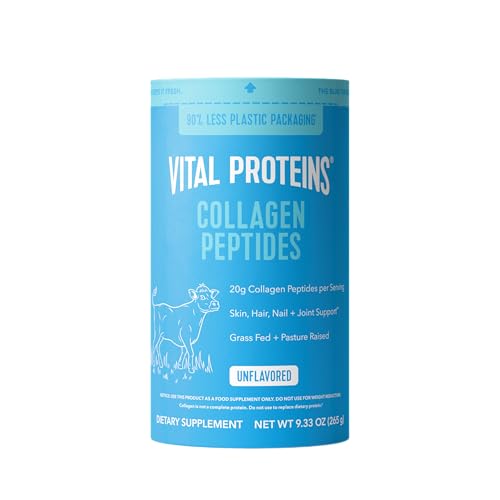
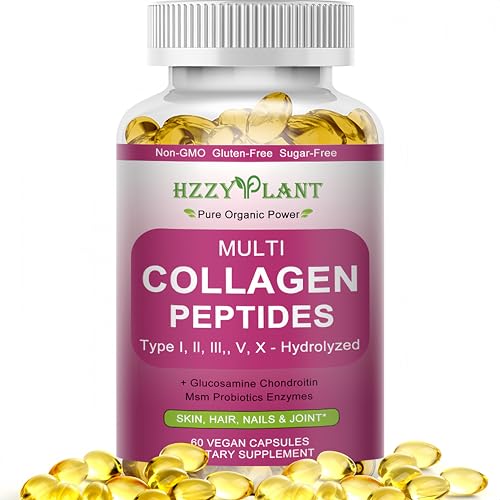
Why this guide matters: Peptides have become one of the most researched and recommended ingredients in modern skincare. If you are comparing serums, reading labels, or wondering whether peptides are worth adding to your routine, this guide gives you the complete, science-backed picture so you can choose confidently.
What Are Peptides?
Peptides are short chains of amino acids — the same building blocks that make up proteins like collagen, elastin, and keratin. In skincare, peptides act as messengers. When applied to the skin, they signal your cells to produce more of these structural proteins, which naturally decline with age. Unlike harsh actives that force turnover, peptides work with your skin biology to support its own repair mechanisms.
Because they are naturally occurring fragments of larger proteins, peptides are generally well tolerated, making them a popular choice for people who want anti-aging results without the irritation that sometimes comes with stronger actives. If you are building a targeted treatment routine, explore more serums to see how peptides fit alongside other actives like vitamin C and hyaluronic acid.
How Peptides Work on the Skin
Topical peptides penetrate the outer layer of skin and interact with receptors in the dermis. This interaction triggers a cascade of responses: increased collagen synthesis, improved elastin production, and better moisture retention. Over time, this translates to improved firmness, smoother texture, and a reduction in the appearance of fine lines and wrinkles.
Different peptide sequences target different pathways. Some stimulate collagen production, others inhibit the breakdown of existing collagen, and others focus on barrier repair or pigmentation. This is why many modern formulas combine multiple peptides for a broader effect. For a deeper look at how peptides compare with other rejuvenation approaches, see our guide on skin rejuvenation treatment.
Types of Peptides and What They Do
The table below summarizes the most common peptide categories used in skincare. Knowing these distinctions helps you read an ingredient list with confidence.
| Peptide Type | Primary Function | Common INCI Names |
|---|---|---|
| Signal Peptides | Stimulate collagen and elastin production for firmer skin | Palmitoyl Tripeptide-1, Palmitoyl Pentapeptide-4 (Matrixyl) |
| Carrier Peptides | Deliver trace minerals (like copper) to support repair | Copper Tripeptide-1 (GHK-Cu) |
| Neurotransmitter-Inhibiting Peptides | Relax expression lines by limiting muscle contraction signals | Acetyl Hexapeptide-8 (Argireline), Dipeptide Diaminobutyroyl Benzylamide Diacetate |
| Enzyme-Inhibitor Peptides | Slow collagen breakdown and support skin renewal | Rice Peptide, Soy Peptide |
| Barrier & Hydration Peptides | Strengthen the moisture barrier and improve water retention | Palmitoyl Tripeptide-5, Acetyl Tetrapeptide-22 |
Many premium peptide products combine several of these types to address multiple concerns at once. For those looking for a targeted firming approach, explore related treatments such as skin tightening treatments for face and microcurrent device options that complement peptide skincare.
Key Benefits of Peptides for Skin
Firmer, Plumper Skin
Signal peptides support collagen production, improving elasticity and giving skin a more supple, lifted appearance over time.
Softer Fine Lines
Expression lines and early wrinkles appear smoother as peptides support structural repair and hydration at the deeper layers.
Stronger Barrier
Certain peptides boost barrier proteins, reducing water loss and helping skin stay calm and resilient.
Gentle & Well Tolerated
Peptides are suitable for most skin types, including sensitive skin, and can be used daily without the irritation risk of stronger actives.
Layering Friendly
They pair well with hyaluronic acid, niacinamide, and antioxidants, making them easy to slot into almost any routine.
Preventative Anti-Aging
Using peptides before visible aging begins helps maintain collagen levels and delays the appearance of fine lines.
How to Choose a Peptide Product
The peptide market ranges from entry-level to luxury, and formulation quality matters more than a long ingredient list. Look for products that list peptides high enough in the formula to be effective, pair them with supportive ingredients like hyaluronic acid or niacinamide, and avoid excessive fragrance if your skin is sensitive.
When comparing products, consider these quality tiers to match your needs and budget without focusing on exact figures:
- Entry-level: Simple peptide serums focused on one or two peptides, ideal for first-time users wanting to test tolerance and results.
- Mid-range: Multi-peptide formulas combined with hydrators and antioxidants, offering broader benefits and better texture.
- Premium: Advanced delivery systems and stabilized peptide complexes, often with clinical testing and more elegant textures.
- Luxury: High-end formulations with proprietary peptide blends, encapsulated delivery, and luxury sensorial experience.
If you prefer minimalist routines, a single well-formulated peptide serum is enough. See minimalist skincare for guidance on building a lean but effective routine. For those focused on mature skin concerns, our moisturizer for wrinkles guide covers complementary options.
How to Layer Peptides in Your Routine
Peptides are versatile and fit into almost any skincare routine. The key is consistency and correct order of application. Here is a simple, effective sequence:
- Cleanse: Start with a gentle cleanser appropriate for your skin type.
- Tone (optional): Use a hydrating toner to prep skin, but avoid harsh astringents.
- Peptide serum: Apply to slightly damp skin and pat gently until absorbed.
- Treatment actives (optional): If using retinol or vitamin C, apply after peptides or at a different time of day.
- Moisturize: Seal everything in with a moisturizer suited to your skin type.
- Sunscreen (AM): Always finish your morning routine with broad-spectrum SPF.
For daily sun protection that pairs well with peptide routines, consider a lightweight option like non-greasy sunscreen for face or a mineral sunscreen for sensitive skin. Those focused on brightening can pair peptides with a skin serum for dry skin for added hydration.
Peptides vs. Retinol: What's the Difference?
Both peptides and retinol are anti-aging powerhouses, but they work differently. Retinol accelerates cell turnover and is backed by decades of clinical evidence, but it can cause irritation, peeling, and photosensitivity, especially in beginners. Peptides are gentler, support collagen production more gradually, and are far less likely to cause irritation.
Many dermatologists recommend using both: peptides in the morning for supportive repair and hydration, and retinol at night for renewal. If you are new to retinol or have sensitive skin, start with a strongest retinol over the counter option appropriate for your tolerance, and layer peptides to buffer potential dryness.
Who Should Use Peptides?
Peptides benefit nearly everyone. They are especially useful for:
- People in their late 20s and 30s looking to prevent early signs of aging.
- Anyone with fine lines, loss of firmness, or dull texture.
- Sensitive skin types who cannot tolerate stronger actives like retinoids or high-strength acids.
- Those using retinol who want to support their skin barrier and reduce irritation.
- Anyone building a preventative, long-term anti-aging routine.
For a broader context on choosing products for your skin type, our guide on skincare brand selection and skin care products for glowing skin are helpful starting points.
Common Mistakes to Avoid
Peptides are forgiving, but a few habits can reduce their effectiveness:
- Inconsistent use: Peptides need daily application to produce visible results; sporadic use won't deliver the same benefits.
- Layering with harsh acids immediately: Strong AHAs or BHAs can degrade some peptides; separate them by a few minutes or use at different times.
- Expecting overnight results: Collagen remodeling is gradual; allow 8–12 weeks for meaningful firming.
- Ignoring sun protection: UV damage undermines collagen faster than peptides can support it; always use SPF.
- Overcomplicating: One well-formulated peptide product used consistently outperforms a shelf full of half-used bottles.
Frequently Asked Questions
What exactly are peptides and how do they work on skin?
Peptides are short chains of amino acids that act as signaling molecules. When applied topically, they tell your skin cells to produce more collagen, elastin, and other structural proteins, which helps improve firmness, texture, and the appearance of fine lines.
Can peptides be used with retinol and vitamin C?
Yes. Peptides are generally compatible with most actives. However, because strong acids and retinol can degrade some peptides, it is best to layer them at different times of day or wait a few minutes between applications. Many modern formulas are specifically stabilized for use alongside retinol.
How long does it take to see results from peptide skincare?
Most people notice smoother texture and improved hydration within 2 to 4 weeks. Visible firming and fine-line reduction typically require 8 to 12 weeks of consistent daily use, as collagen remodeling is a gradual process.
Are peptides suitable for sensitive or acne-prone skin?
Yes. Peptides are generally well tolerated and non-irritating. Look for non-comedogenic, fragrance-free peptide formulas if you have acne-prone or reactive skin, and always patch-test new products.
Do I need a peptide serum and a peptide moisturizer?
Not necessarily. One well-formulated peptide product used consistently is enough for most people. A serum offers higher concentration for targeted concerns, while a moisturizer provides peptides plus barrier support. Choose based on your skin type and routine preferences.
Ready to Add Peptides to Your Routine?
Explore our curated selection of top-rated peptide serums and moisturizers below, chosen for formulation quality, ingredient transparency, and consistent user results.
View Recommended Peptide Products