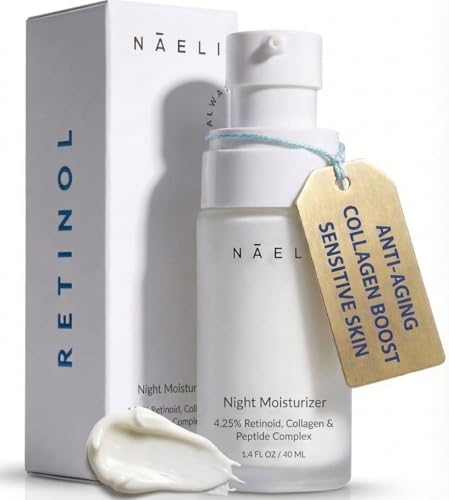
Strongest Retinol Over The Counter
Navigate the world of non-prescription retinoids with confidence. This guide explains potency, formulation science, and how to identify the most effective over-the-counter retinol products for visible anti-aging results.
EXPLORE POTENCY GUIDEWhy This Guide Matters: Retinol is one of the most researched anti-aging ingredients available without a prescription. However, the term "strongest" is not just about percentage — formulation, delivery systems, and supporting ingredients all determine real-world efficacy. This guide helps you decode labels and make an informed purchase decision.
What Makes an Over-the-Counter Retinol "Strong"?
When shoppers search for the strongest retinol over the counter, they often assume a higher percentage automatically means better results. In reality, the strength of an OTC retinol depends on several interconnected factors:
- Retinol concentration: Most OTC retinols range from 0.1% to 1.0%. Formulations above 0.5% are generally considered higher-strength within the non-prescription category.
- Delivery system: Encapsulated retinol releases slowly, reducing irritation while maintaining efficacy. Microencapsulation and liposomal delivery are common in premium formulations.
- Supporting ingredients: Niacinamide, peptides, and ceramides can buffer irritation and enhance tolerance, allowing you to use a higher concentration consistently.
- pH and stability: Retinol degrades with light and air exposure. Airtight, opaque packaging and stabilizers like vitamin E preserve potency.
- Vehicle type: Serums often deliver actives more efficiently than creams, but creams may be better for dry or sensitive skin due to their emollient base.
Understanding these factors helps you look beyond the percentage on the label and evaluate the product as a whole. For a broader look at how retinol fits into a complete routine, see our getting started guide.
Potency Tiers in the OTC Retinol Market
To make comparisons easier, we categorize OTC retinol products into three universal quality tiers. These descriptors reflect market positioning and formulation sophistication — not price.
| Tier | Typical Concentration Range | Formulation Characteristics | Best For |
|---|---|---|---|
| Entry-Level | 0.1% – 0.3% | Simple formulas, often cream-based, minimal encapsulation | Beginners, sensitive skin, first-time retinol users |
| Mid-Range | 0.3% – 0.6% | Encapsulated retinol, added soothing agents (niacinamide, ceramides) | Regular users seeking balanced efficacy and tolerance |
| Premium | 0.6% – 1.0% | Advanced delivery systems, clinical testing, stabilizers, multi-actives | Experienced users prioritizing maximum OTC potency |
Premium-tier products are not inherently better for everyone. A mid-range encapsulated retinol used consistently often outperforms a premium high-concentration product used sporadically due to irritation. Consistency matters more than raw percentage.
Key Ingredients That Signal a Well-Formulated Retinol
The strongest retinol products are rarely single-ingredient formulas. Look for these supporting actives on the ingredient list:
- Niacinamide: Reduces redness and strengthens the skin barrier, improving retinol tolerance.
- Peptides: Support collagen production and complement retinol's mechanism. Explore our peptides guide for more detail.
- Hyaluronic acid: Maintains hydration, counteracting retinol-induced dryness.
- Ceramides: Rebuild the lipid barrier, essential for preventing irritation during retinization.
- Vitamin E (tocopherol): Acts as an antioxidant and stabilizer, protecting retinol from degradation.
- Bisabolol or allantoin: Soothing agents that reduce the likelihood of flaking and redness.
If you are building a targeted anti-aging routine, pairing retinol with a quality serum and a moisturizer for wrinkles creates a comprehensive approach.
How to Choose the Right OTC Retinol for Your Skin
1. Assess Your Skin Type
Dry or sensitive skin benefits from cream-based, encapsulated formulas in the entry-level to mid-range tier. Oily or combination skin often tolerates serums and gels better, and can start at a mid-range concentration. If you have oily skin, explore our guide to skin products for oily skin to build a balanced routine.
2. Start Slow, Then Increase
Begin with two or three applications per week. If your skin tolerates it after four weeks, increase frequency before moving to a higher concentration. This "retinization" period minimizes irritation and builds long-term tolerance.
3. Look Beyond Percentage
A 1.0% retinol in a poorly stabilized formula may degrade before you finish the bottle, delivering less effective results than a 0.5% encapsulated retinol in airtight packaging. Prioritize formulation quality over the number on the front label.
4. Consider Your Anti-Aging Goals
For fine lines and texture, mid-range to premium encapsulated retinol is ideal. For post-acne marks and mild congestion, a lower-concentration entry-level retinol used consistently can deliver noticeable improvement. Pair with skin care products for glowing skin to enhance radiance.
Application Tips for Maximum Results
- Apply to clean, dry skin: Retinol penetrates more evenly on dry skin. Wait a few minutes after cleansing before applying.
- Use a pea-sized amount: More product does not mean better results — it increases irritation risk.
- Avoid mixing with strong acids: Do not layer retinol directly with AHAs, BHAs, or vitamin C in the same routine. Alternate nights if you use multiple actives. See our micellar water for sensitive skin for a gentle cleansing option.
- Moisturize after: Follow with a barrier-supporting moisturizer to reduce dryness.
- Use sunscreen daily: Retinol without sun protection is counterproductive. Choose a mineral sunscreen if your skin is reactive.
- Store properly: Keep the product away from direct sunlight and heat to preserve potency.
Ready to Find Your Ideal Retinol?
Browse our curated selection of highly-rated OTC retinol products below. Each option is chosen for formulation quality, ingredient transparency, and user feedback.
Frequently Asked Questions
What is the strongest retinol available without a prescription?
OTC retinol concentrations typically max out around 1.0%. However, "strongest" also depends on delivery system and formulation. Premium-tier encapsulated products at 0.6%–1.0% are considered the strongest non-prescription options. Prescription tretinoin (Retin-A) is significantly more potent and requires medical oversight.
Is 1% retinol as effective as prescription tretinoin?
No. Tretinoin binds directly to retinoic acid receptors and is substantially more potent. OTC retinol requires conversion within the skin (retinol → retinaldehyde → retinoic acid), which reduces both efficacy and irritation compared to prescription-strength retinoids. However, OTC retinol is a viable option for those who cannot tolerate prescriptions or prefer to avoid medical visits.
Can I use a strong retinol every night?
Only after your skin has fully adjusted. Most people need 8–12 weeks of gradual retinization before nightly use is comfortable. Starting with two or three nights per week and increasing slowly is safer. If you experience persistent redness, peeling, or stinging, reduce frequency.
What should I do if my retinol causes irritation?
Pause use for a few days, focus on barrier repair with ceramides and hyaluronic acid, and reintroduce at a lower frequency. If irritation persists, switch to a lower-concentration or encapsulated formula. Explore our sensitive skin moisturizer options to soothe reactive skin.
Does retinol work for all skin types?
Retinol is effective across skin types, but tolerance varies. Dry and sensitive skin types benefit from cream-based, lower-concentration formulas. Oily and combination skin types often tolerate serums and higher concentrations better. Regardless of skin type, sunscreen and gradual introduction are essential.
For a complete anti-aging skincare strategy, consider complementing retinol with peptide-rich serums and gentle exfoliation. If you are exploring professional treatments, learn about micro-needling and how it interacts with retinol use. Always review our full disclaimer before starting any new skincare regimen.