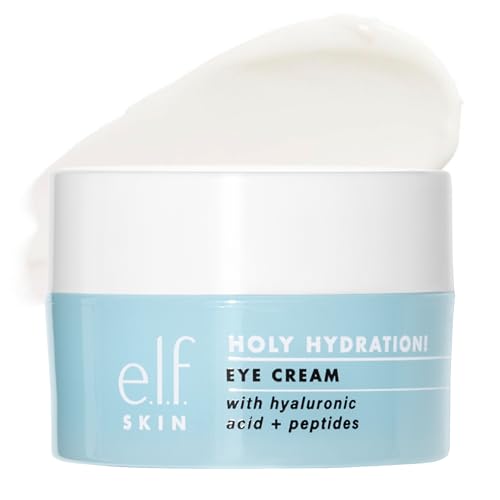
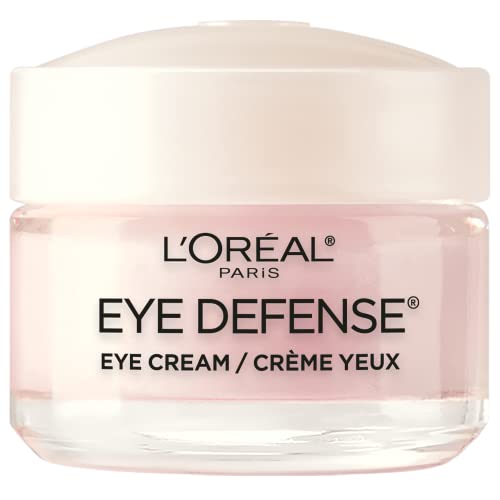
Eye Cream: Your Complete Guide to Brighter, Smoother Under-Eyes
Whether you're tackling dark circles, fine lines, or puffiness, the right eye cream can make a world of difference. This guide covers everything you need to know — from key ingredients to application techniques — so you can choose the perfect product for your unique needs.
SHOP RECOMMENDED EYE CREAMSWhy Your Eyes Need Special Care
The skin around your eyes is the thinnest and most delicate on your face — up to 10 times thinner than the rest of your skin. It's also more prone to showing signs of aging, stress, and fatigue. That's why a dedicated eye cream is essential in any skincare routine.
Regular face masks and face serums are fantastic for overall skin health, but the eye area requires targeted ingredients and a gentler touch. Using the right eye cream can help reduce the appearance of fine lines, diminish dark circles, and soothe puffiness for a more awake, refreshed look.
Key Ingredients to Look For
Not all eye creams are created equal. To get the best results, look for products that contain scientifically-backed ingredients tailored to your specific concerns. Below are some of the most effective ingredients found in premium eye creams.
Retinol
Stimulates collagen production, reduces fine lines and wrinkles. Best used at night.
Vitamin C
Brightens dark circles, evens skin tone, and provides antioxidant protection.
Hyaluronic Acid
Intensely hydrates, plumps the skin, and reduces the appearance of crepey texture.
Caffeine
Constricts blood vessels, reducing puffiness and under-eye bags almost instantly.
For an effective anti-aging routine, consider pairing your eye cream with a retinol serum or a vitamin C serum for your face. Many people also find that a hyaluronic acid booster enhances the overall hydration of their skincare regimen.
How to Choose the Best Eye Cream
With so many options on the market, finding the perfect eye cream can feel overwhelming. The key is to match the product's active ingredients to your primary concern.
- For Dark Circles: Look for vitamin C, niacinamide, or licorice root extract to brighten.
- For Fine Lines & Wrinkles: Choose retinol, peptides, or bakuchiol for collagen support.
- For Puffiness: Caffeine, green tea, or cucumber extract help de-puff and soothe.
- For Dryness: Hyaluronic acid, ceramides, and squalane provide deep hydration.
If you're new to active ingredients, start with a gentle formula and patch-test first. Many users find that incorporating a face oil or a nourishing night cream alongside their eye cream enhances overall skin resilience.
How to Apply Eye Cream Correctly
Applying eye cream correctly is just as important as the product itself. Use your ring finger (which applies the least pressure) and gently dab a pea-sized amount along the orbital bone — not directly on the lash line. Pat, don't rub, until absorbed. This technique minimizes tugging and prevents premature wrinkles.
For an extra cooling and de-puffing effect, store your eye cream in the refrigerator. You can also layer it over a face toner for better penetration, and always follow with sunscreen during the day to protect the delicate eye area from UV damage.
Frequently Asked Questions
Can I use regular face cream around my eyes?
It's not recommended. Face creams are often too heavy and may contain irritants like fragrance or retinoids at higher concentrations. Eye creams are specially formulated to be gentle and safe for the sensitive eye area.
When should I start using eye cream?
You can start in your early 20s for prevention. By your 30s, it becomes essential to combat fine lines and maintain skin elasticity.
How long does it take to see results?
Hydrating effects are immediate. For dark circles and fine lines, expect noticeable improvement in 4–8 weeks of consistent use.
Can eye cream remove wrinkles?
It can significantly reduce the appearance of fine lines and prevent deeper wrinkles, but no topical product can permanently erase deep wrinkles. Consistent use is key.