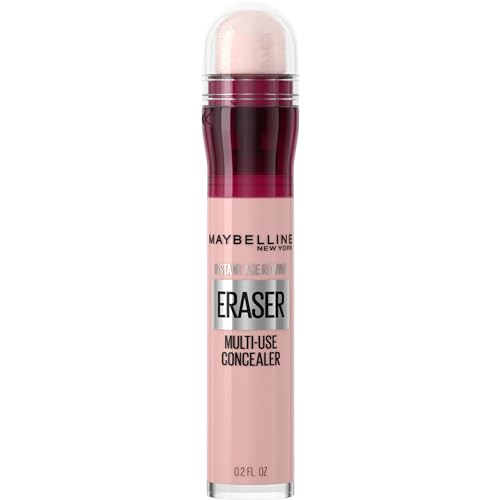
Dark Concealer for Dark Circles: The Complete Guide
Discover how to choose, apply, and set dark concealer for dark circles. Learn shade-matching, color-correcting, and long-wear techniques for a bright, rested look on every skin tone.
EXPLORE CONCEALER TIPSWhy this guide matters: Dark circles are one of the most common under-eye concerns, and the right dark concealer can transform your look in minutes. This guide walks you through shade matching, color correcting, application methods, and formula choices so you can cover dark circles confidently — whether you have fair, medium, or deep skin.
Understanding Dark Circles Before You Conceal
Dark circles are not a single condition — they appear for different reasons, and the cause affects which concealer strategy works best. The most common culprits include genetics, thin under-eye skin that reveals blood vessels, hyperpigmentation, shadowing from hollow tear troughs, and lifestyle factors such as poor sleep and dehydration. Identifying your dominant cause helps you decide whether you need a brightening concealer, a color corrector, or both.
If discoloration is bluish or purple, it usually signals visible blood vessels under thin skin and responds well to peach or orange correctors. Brownish circles are typically pigment-related and often respond to brightening concealers with niacinamide or vitamin C. Shadowing caused by a hollow under-eye area needs light-reflecting concealers rather than heavy coverage. For related brightening strategies, see our guide on color corrector for dark circles.
Eye care habits also matter. Hydrating the under-eye and using targeted products such as eye cream for bags under eyes can reduce puffiness and improve how concealer sits on the skin. Pairing your concealer routine with consistent beauty sleep and stress-reducing practices from our wellness section supports long-term improvement.
How to Choose the Right Dark Concealer Shade
Shade matching is where most concealer routines succeed or fail. The goal is not simply "lighter" — it is to neutralize discoloration while matching the undertone of the surrounding skin so the under-eye blends seamlessly. As a general rule, choose a concealer one to two shades lighter than your natural skin tone for brightening, and lean on correctors for the actual color neutralization.
Match the Corrector to Your Circles, Match the Concealer to Your Skin
| Circle Undertone | Best Corrector | Concealer Strategy |
|---|---|---|
| Blue / Purple | Peach (fair to medium skin) | Concealer 1–2 shades lighter than skin |
| Blue / Purple (deep skin) | Orange or red-orange | Concealer matching surrounding skin |
| Brown / Pigmented | Peach or apricot | Brightening concealer with niacinamide |
| Shadow / Hollow | None needed | Light-reflecting hydrating concealer |
Undertone and Skin Tone Considerations
On fair skin, peach correctors are the workhorse: they cancel blue tones without appearing ashy. Medium skin tones often need a slightly deeper peach or apricot, paired with a warm-toned concealer. For deeper skin tones, orange and red-orange correctors are essential because peach alone can look grey on rich complexions. Always test concealer on the under-eye itself rather than the hand — the skin there is thinner and may appear lighter than the rest of your face.
If you are also working on skin tone balance elsewhere, our guide to best oil cleanser for dry skin helps build a gentle base routine, and black spots on face treatment at home covers pigment concerns that often accompany dark circles.
Concealer Formulas: Which Type Covers Dark Circles Best?
Formula matters as much as shade. Full-coverage liquid concealers with a creamy texture generally offer the best balance of coverage and blendability for dark circles. Hydrating formulas are ideal for dry or mature under-eye skin, while long-wear and matte formulas suit oily skin and humid climates. Avoid overly dry, matte concealers if your under-eye area creases easily, as they can emphasize fine lines.
Full-Coverage Liquid
Best for moderate to severe dark circles. Look for buildable formulas that set without cracking. Apply in thin layers and tap — not swipe — to maintain coverage.
Cream and Stick Concealer
Rich and pigmented, these are excellent for very dark circles and dry skin. They can be slightly heavier, so blend with a damp sponge or warm fingertip and set lightly.
Hydrating and Serum Concealers
Ideal for mature skin, dry skin, and creasing-prone under-eyes. They offer lighter coverage but superior comfort. Pair with a corrector when circles are pronounced. See also eye cream for sensitive skin for prep.
Color-Correcting Concealers
These combine a peach or orange tint with concealing pigments. They are convenient for travel and lighter routines, though very dark circles may still need a dedicated corrector first. Our color corrector for dark circles guide goes deeper.
Step-by-Step: How to Apply Dark Concealer for Dark Circles
A flawless under-eye is about layering thin products in the right order. Follow these steps for a crease-resistant, natural-looking finish that lasts all day.
- Prep the under-eye. Apply a hydrating eye cream and let it absorb for 1–2 minutes. This prevents concealer from settling into fine lines. If puffiness is a concern, a chilled ice roller or jade roller can help calm the area before makeup.
- Color correct first (if needed). For moderate to severe circles, tap a thin layer of peach or orange corrector only onto the discolored zone. Keep it concentrated — not spread across the entire under-eye.
- Apply concealer in a small triangle. Place a few dots of concealer at the inner corner and darkest point, then tap outward with a ring finger or damp sponge. Avoid swiping, which lifts coverage.
- Build coverage gradually. Add a second thin layer only where needed. More product does not equal more coverage — it increases the risk of creasing and cakiness.
- Set strategically. Use a small brush and a finely milled translucent powder to set only the areas that crease. Press, do not sweep. A light setting spray can help melt layers together.
- Blend the edges. Make sure the concealer transitions seamlessly into the cheek and the outer corner of the eye. A beauty blender or a small concealer brush works well for this final step.
For a complete base routine, pair your concealer with a foundation that matches your skin's finish. Our guides to baked foundation for mature skin and foundation brush can help you build a cohesive look.
Common Dark Concealer Mistakes to Avoid
- Using a concealer that is too light. Going several shades lighter creates a grey or ashy cast. Stick to one to two shades lighter, or rely on a corrector for neutralization.
- Skipping color correction. For blue and purple circles, concealer alone often looks flat. A peach or orange corrector underneath makes a visible difference.
- Applying too much product. Heavy layers crease and crack. Thin layers tapped in build more natural coverage.
- Setting with the wrong powder. Heavy or tinted powders can add texture. Choose a finely milled translucent powder and apply sparingly.
- Ignoring skin prep. Dry under-eyes make any concealer look patchy. Hydration is non-negotiable, especially with eye cream suited to your skin type.
- Not matching undertone. A warm-toned concealer on cool-toned skin (or vice versa) looks mismatched. Test in natural light.
If you also struggle with redness or uneven tone elsewhere, our color correcting cream for redness guide can help you extend the corrector-first approach to the rest of your face.
Dark Concealer Advice by Skin Tone
Dark circles look different across skin tones, and the corrector-and-concealer pairing should adapt accordingly. Below is a practical breakdown.
Fair Skin
Peach correctors are the most effective for neutralizing blue and purple tones. Choose a creamy, hydrating concealer one shade lighter than your skin to brighten without looking chalky. Avoid pink-based concealers, which can emphasize redness around the eyes.
Medium Skin
A deeper peach or apricot corrector works well for blue-based circles, while a warm golden concealer brightens without turning grey. Medium skin often benefits from buildable liquid formulas that can be layered without caking.
Olive and Tan Skin
Olive undertones can make standard peach correctors look slightly pink. Look for peach-orange correctors and concealer with a neutral-warm undertone. Green-based correctors are for redness, not dark circles — keep them separate.
Deep and Rich Skin
Orange and red-orange correctors are essential. A concealer that matches the surrounding skin prevents an ashy halo, while a slightly lighter shade can be used only in the inner corner for a subtle lift. Rich, creamy formulas with strong pigment are usually the most effective. For deeper skin concerns beyond circles, our guides on dark spot treatment for face and body lotion for whitening skin cover related pigmentation topics.
How to Make Dark Circle Concealer Last All Day
Longevity comes down to preparation, layering, and setting. Start with a clean, moisturized under-eye. If your skin is oily, a light dusting of powder before concealer can create a grip layer. Apply thin layers and set only where needed. Carry a small concealer and a mini sponge for touch-ups rather than adding powder, which can build texture over time.
Makeup tools matter too. A clean makeup bag and regularly sanitized brushes prevent irritation around the delicate eye area. If you use sponges, clean them with a DIY makeup brush cleaning solution to keep the under-eye area hygienic.
Finally, support your concealer from the inside out. Adequate hydration, a skin-friendly diet from our skin health diet guide, and consistent sleep hygiene from our sleep routine guide all reduce the severity of dark circles over time.
Frequently Asked Questions
What is the best concealer for very dark circles?
The best concealer for very dark circles combines a color-correcting undertone with full, buildable coverage. Peach and orange correctors neutralize blue and purple tones, while a concealer one to two shades lighter than your skin tone brightens the area. Creamy, hydrating formulas work best for dry under-eye skin, while long-wearing matte formulas suit oily skin.
Should I use a color corrector before dark concealer?
Yes, for moderate to severe dark circles a color corrector is highly recommended. Peach correctors work well for light to medium skin tones, while orange and red correctors are best for deeper skin tones. Apply a thin layer first, then follow with concealer to lock in the correction and brighten the area.
How do I stop dark circle concealer from creasing?
Prep the under-eye with a hydrating eye cream and let it absorb fully. Apply concealer in thin layers using a tapping motion, then set immediately with a finely milled translucent powder using a small brush. Avoid heavy powders and excessive product, as both cause creasing throughout the day.
What shade of dark concealer should I choose?
Choose a concealer one to two shades lighter than your natural skin tone for brightening, matched to your undertone. For dark circles with a blue or purple cast, a peach or orange corrector underneath helps neutralize the discoloration. Deep skin tones benefit from rich orange and red correctors paired with a concealer that matches the surrounding skin.
Can dark concealer be used on other areas?
Yes. The same principles apply to covering hyperpigmentation, blemishes, and redness elsewhere on the face. For redness specifically, our color corrector for redness guide covers the corrector-to-concealer ratios. For tattoo coverage, see cover up tattoo with makeup.
Ready to Find Your Perfect Dark Concealer?
Browse our curated selection of highly rated concealers and color correctors for dark circles, chosen for coverage, blendability, and long-wear comfort across skin tones.
SEE RECOMMENDED PRODUCTS