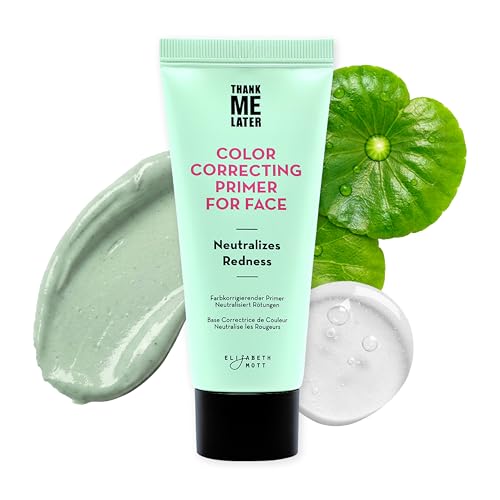
Color Correcting Cream for Redness: A Complete Guide
Discover how green color correctors neutralize redness, how to pick the right formula for your skin type, and how to apply them for a naturally even complexion.
START YOUR BEAUTY JOURNEYWhy color correcting works: Color correction uses complementary colors to cancel out unwanted tones. Green sits opposite red on the color wheel, which is why a green-tinted cream can visibly reduce the appearance of redness from acne, rosacea, sunburn, or irritation — creating a smoother canvas for makeup.
What Is Color Correcting Cream for Redness?
A color correcting cream for redness is a tinted base product formulated with green pigments designed to neutralize red undertones on the skin. Unlike a standard concealer that simply covers, a color corrector actively balances the color of the skin, making redness less visible before you even apply foundation. Most formulas come as lightweight creams, primers, or stick correctors, and they can be worn alone on low-key days or layered under makeup for a more polished finish.
If you are building out a full makeup kit, a green corrector pairs naturally with other base products such as a color corrector for redness and a trusted foundation to create an even, seamless base. Understanding the role of each layer helps you avoid over-applying product and keeps the finish natural.
Who Should Use a Green Color Corrector?
Green color correcting creams are especially helpful for people dealing with visible redness from acne, rosacea, broken capillaries, sunburn, or post-treatment sensitivity. They are also useful for anyone who wants to reduce the amount of foundation needed to achieve an even tone. If your main concern is dark circles rather than redness, a color corrector for dark circles will be a better fit.
People with deeper skin tones often benefit from green correctors blended with a hint of peach or orange, as pure green can look ashy on rich complexions. If you are layering under a matte base, consider pairing your corrector with a deep moisturizer for dry skin to prevent the finish from clinging to dry patches.
How to Choose the Right Redness Corrector
Not all green correctors are created equal. When selecting a formula, consider the intensity of your redness, your skin type, and the finish you prefer.
- Sheer green correctors: Best for mild, diffuse redness and everyday wear. These blend easily into most skin tones.
- Saturated green correctors: Ideal for concentrated redness around the nose, cheeks, or active breakouts.
- Peach-green blends: A good option for medium to deep skin tones where pure green may appear chalky.
- Primer-style correctors: Lightweight and layer-friendly, these are great under foundation for a natural finish.
- Stick or cream correctors: Offer more coverage and are ideal for spot-correcting specific areas.
If you are also working on texture or blemishes, a dark spot treatment for face can help address the underlying cause while your corrector handles the visible tone.
How to Apply Color Correcting Cream for Redness
Application technique matters just as much as the product itself. Follow these steps for a smooth, even result:
- Start with clean, moisturized skin. Prep with a gentle cleanser and a moisturizer suited to your skin type. If you wear sunscreen daily, apply it before your corrector.
- Use a small amount. Dot the corrector only on areas with visible redness. A little goes a long way.
- Tap, don't rub. Blend with a damp sponge or your fingertips using gentle tapping motions to avoid disturbing the pigment.
- Layer foundation sparingly. Apply a light layer of foundation over the corrected areas. A foundation brush can help you control coverage.
- Set with powder. A light dusting of setting powder helps lock everything in place, especially in humid climates.
For a full routine, pair your corrector with other base products like a concealer for spot coverage or a face primer if you want extra grip and longevity.
Common Mistakes to Avoid
Even a great color correcting cream can look off if applied incorrectly. Here are a few pitfalls to watch for:
- Using too much product. Over-applying green corrector can create a visible green cast that is hard to cover.
- Skipping moisturizer. Dry skin can make correctors cling to patches and look uneven.
- Using the wrong shade intensity. A corrector that is too pale or too saturated can look unnatural.
- Not setting the base. Without a light setting powder, correctors can migrate and fade throughout the day.
If redness is persistent or accompanied by irritation, it is worth consulting a dermatologist. Our disclaimer explains the limits of educational content on this site.
Skin Prep Tips for Redness-Prone Skin
Color correcting works best on calm, well-prepped skin. Consider these habits to keep redness in check:
- Use a gentle, fragrance-free cleanser to avoid stripping the skin barrier.
- Incorporate soothing ingredients like aloe or green tea into your routine — see our guide on green tea skincare.
- Avoid harsh scrubs on active redness; instead, use a mild exfoliating cleanser once or twice weekly.
- Protect your skin daily with a dermatologist-recommended sunscreen for face.
Frequently Asked Questions
What does color correcting cream for redness do?
It uses green pigments to neutralize red tones on the skin, creating a more even base before foundation or concealer.
How do I choose the right green corrector shade?
Match the intensity of the green to the intensity of your redness. Sheer green works for mild flush, while deeper green suits more visible redness. Medium and deep skin tones often benefit from peach-green blends.
Can I use green color corrector every day?
Yes, as long as you cleanse thoroughly at the end of the day and choose a formula that suits your skin type.
Do I need color correcting cream if I wear full-coverage foundation?
Not always. Full-coverage foundations can mask redness on their own, but a corrector lets you use less foundation and achieve a more natural finish.
Can color correcting cream replace concealer?
In some cases, a color corrector can reduce the need for concealer, but it does not replace it entirely. For spots that need extra coverage, layer a concealer over the corrected area.
Final Thoughts
Color correcting cream for redness is a practical tool for anyone who wants a smoother, more even complexion. By understanding how green pigments work, choosing the right formula for your skin tone and skin type, and applying it with a light hand, you can reduce visible redness without a heavy makeup look. Explore our full range of beauty products and beauty tools to build a routine that supports healthy, balanced skin.