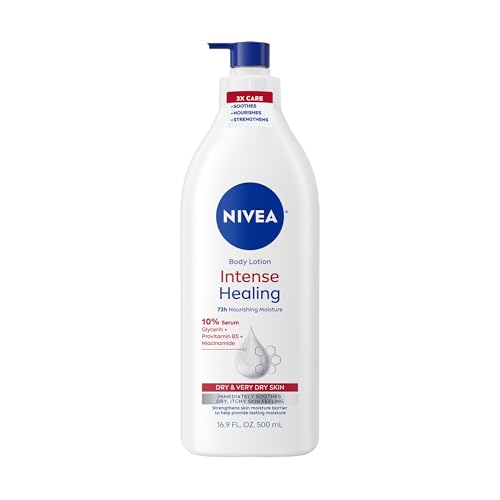
Why Dry Skin Needs a Deep Moisturizer
Dry skin is more than just a temporary tight feeling. It is a signal that your skin barrier — the outermost layer that locks in moisture — is compromised. When that barrier is weak, water evaporates quickly, leaving skin rough, flaky, and prone to irritation. A deep moisturizer for dry skin does more than sit on the surface; it replenishes lipids, attracts water into the skin, and seals everything in so your complexion stays soft and comfortable all day.
If you are still using a lightweight lotion formulated for normal skin, you are likely under-moisturizing. Deep moisturizers are richer, more concentrated, and often include a blend of humectants, emollients, and occlusives that work together to restore balance. Understanding these three categories is the first step to choosing the right product.
Quick tip: If your skin feels tight after cleansing, stings when you apply products, or shows visible flaking, it is a strong sign you need a richer, more barrier-focused moisturizer rather than a simple hydrating gel.
The Three Pillars of Deep Hydration
1. Humectants: The Water Magnets
Humectants like hyaluronic acid, glycerin, and panthenol draw water from the environment and deeper layers of the skin into the upper epidermis. They give an immediate plumping effect but need to be sealed in with an occlusive layer to prevent moisture loss. For best results, apply humectants to slightly damp skin, then follow with a richer cream. You can explore dedicated organic serums that pair well with a deep moisturizer.
2. Emollients: The Softeners
Emollients such as shea butter, squalane, jojoba oil, and fatty alcohols fill the gaps between skin cells, making the surface feel smooth and supple. They are especially helpful for rough, flaky patches. If you prefer plant-based options, a quality organic face cream often relies on emollients like these to deliver lasting comfort.
3. Occlusives: The Seal
Occlusives form a breathable film that prevents transepidermal water loss. Petrolatum, beeswax, lanolin, and dimethicone are common examples. They are the workhorses of any deep moisturizer for very dry skin. Without an occlusive, even the best humectant serum will not keep your skin hydrated for long.
How to Choose the Best Deep Moisturizer for Your Dry Skin
Not all dry skin is the same. Your skin type, climate, and daily habits all influence which formula will work best. Consider these factors:
- Skin sensitivity: If your skin reacts easily, look for fragrance-free, dye-free formulas with ceramides and minimal ingredients. A cleanser for dry sensitive skin paired with a gentle moisturizer is a safe starting point.
- Climate: In humid weather, a mid-weight cream may suffice. In dry or cold climates, you may need a heavier balm or ointment-based product.
- Time of day: Use a lighter deep moisturizer in the morning under sunscreen, and a richer night cream or sleeping mask in the evening.
- Additional concerns: If you also deal with dullness or uneven tone, look for moisturizers with niacinamide or vitamin C. Those with aging concerns might benefit from collagen-boosting skincare ingredients layered underneath.
| Product Tier | Typical Characteristics | Best For |
|---|---|---|
| Entry-Level | Simple humectant + occlusive blends, often fragrance-free, basic barrier support | Daily maintenance, sensitive skin, first-time deep moisturizer users |
| Mid-Range | Added ceramides, peptides, or niacinamide; elegant textures; better absorption | Compromised barriers, combination dryness, those wanting extra repair benefits |
| Premium | Concentrated actives, advanced delivery systems, luxurious feel, clinical backing | Very dry or mature skin, post-procedure recovery, stubborn flakiness |
| Luxury | Rare botanicals, patented complexes, spa-like experience, refillable packaging | Special-occasion skincare, gifting, those who value sensorial experience |
How to Apply Deep Moisturizer for Maximum Effect
Application technique matters as much as the product itself. Follow these steps to get the most out of your deep moisturizer:
- Cleanse gently: Use lukewarm water and a non-stripping cleanser. Avoid hot water, which strips natural oils. A best oil cleanser for dry skin can help remove makeup without disrupting the barrier.
- Apply to damp skin: Right after cleansing or toning, while skin is still slightly wet, apply your humectant serum or toner. This locks in extra water.
- Warm the moisturizer: Squeeze a pea-sized amount onto your fingertips and warm it for a few seconds. This makes it easier to spread without tugging.
- Press, don't rub: Gently press the product into your skin using upward motions. Focus on dry patches like cheeks, around the nose, and the forehead.
- Seal with an occlusive at night: If your skin is extremely dry, finish your evening routine with a thin layer of facial oil or an ointment-based balm. A gua sha tool can help press the product in and boost circulation.
Layering Routine for Very Dry Skin
A well-structured routine amplifies the effect of any deep moisturizer. Here is a simple layering order for daytime and nighttime:
Morning Routine
- Gentle cleanser or water rinse
- Hydrating toner or essence
- Vitamin C or antioxidant serum (optional)
- Deep moisturizer for dry skin
- Broad-spectrum sunscreen — consider a dermatologist recommended sunscreen for face
Evening Routine
- Oil cleanse to remove makeup and sunscreen
- Water-based cleanser
- Exfoliating toner (1–2 times per week, not daily)
- Hyaluronic acid or peptide serum
- Rich night cream or sleeping mask
- Facial oil or balm to seal (optional)
Pro tip: If you use retinol or acids, buffer them with a deep moisturizer. Apply the active, wait a few minutes, then follow with a barrier-repair cream to reduce irritation. For more on gentle exfoliation, see our guide to exfoliating cleanser options.
Common Mistakes to Avoid with Deep Moisturizers
- Applying to dry skin: Without a bit of moisture underneath, humectants cannot draw water effectively. Always apply to damp skin.
- Using too little: A pea-sized amount is often not enough for very dry skin. Use a generous layer, especially at night.
- Skipping sunscreen: Many deep moisturizers do not contain SPF. Always wear a separate sunscreen during the day to protect your barrier.
- Over-exfoliating: Too much exfoliation strips the barrier and makes dryness worse. Limit chemical exfoliants to 1–3 times per week.
- Ignoring the neck and décolleté: These areas are prone to dryness too. Extend your moisturizer down to your chest.
Ingredients to Look For (and Avoid)
Look for: ceramides, hyaluronic acid, glycerin, squalane, shea butter, panthenol, niacinamide, peptides, cholesterol, fatty acids, and colloidal oatmeal.
Avoid or patch-test: high concentrations of denatured alcohol, synthetic fragrance, essential oils (if sensitive), and harsh surfactants. If you have reactive skin, a minimalist skincare approach with fewer ingredients may be best.
Frequently Asked Questions
Ready to Find Your Perfect Deep Moisturizer?
Explore our curated selection of top-rated deep moisturizers for dry skin, chosen for their barrier-repairing and long-lasting hydrating benefits.
View Recommended Products ↓Final Thoughts
Choosing the right deep moisturizer for dry skin is an investment in your skin's long-term health. Focus on barrier-repairing ingredients, apply consistently to damp skin, and layer with hydrating serums for the best results. Remember that dryness can also be influenced by diet and lifestyle — staying hydrated, eating omega-rich foods, and getting enough sleep all support your skin from within. For more holistic tips, explore our wellness resources and skin health diet guide.
If you are unsure where to start, begin with a mid-range ceramide cream and adjust from there. Your skin will thank you.