Cleanser for Dry Sensitive Skin: The Gentle Daily Guide
If your face feels tight, itchy, or reactive after washing, the problem is often the cleanser, not your skin. Learn how to choose a gentle formula that cleans without stripping your moisture barrier.
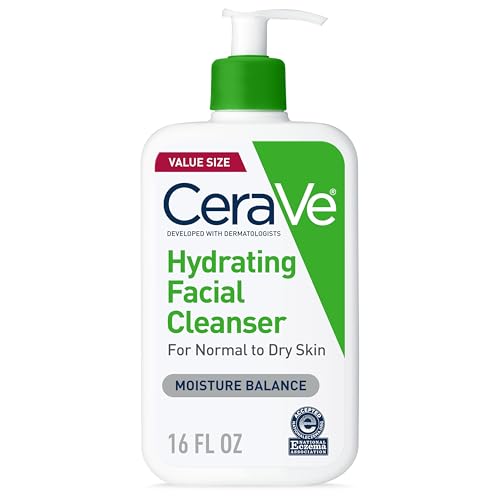
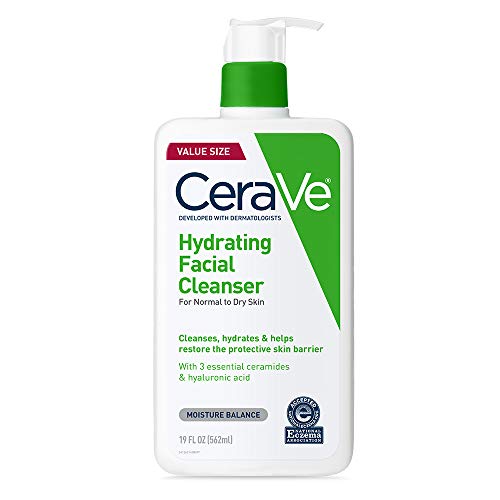
SEE PRODUCT RECOMMENDATIONSQuick answer: The best cleanser for dry sensitive skin is a fragrance-free, low-foam cream, lotion, or oil cleanser with a slightly acidic pH. It should remove dirt and makeup without leaving your face tight, squeaky, or red. Ceramides, glycerin, and colloidal oatmeal are helpful additions, while sulfates and added fragrance are best avoided.
Why Your Cleanser Matters So Much for Dry, Sensitive Skin
Dry and sensitive skin share a common weakness: a compromised skin barrier. This outer layer is responsible for holding water in and keeping irritants out. When you wash with a harsh surfactant-based cleanser, you strip away the natural lipids that keep this barrier intact. The result is the familiar cycle of tightness, flaking, redness, and sometimes a stinging sensation that lingers for hours after washing.
For most people with this skin type, cleanser is the single most impactful product in their routine. A good one removes makeup, sweat, and pollution without disrupting the barrier. A bad one undoes the work of every serum and moisturizer that follows. That is why building your routine around a gentle cleanser is the foundation of any best oil cleanser for dry skin strategy, and it is why we recommend treating this step with more care than any other.
Before you change products, it helps to understand the difference between dryness and sensitivity. Dryness is a lack of oil and water in the skin. Sensitivity is a reactivity to ingredients, friction, or temperature changes. Many people have both, which is why a cleanser that works for oily skin almost never works here. If your skin stings when you apply even water-based products, you may be dealing with a damaged barrier that needs a rest period with only the most minimal cleansers.
What to Look For in a Cleanser for Dry Sensitive Skin
Rather than chasing a single miracle ingredient, focus on the overall formulation. The texture, pH, and surfactant system matter far more than any one label claim. Here is what we recommend prioritising:
- Texture: Cream, lotion, milk, balm, or oil cleansers are the safest bets. They leave a moisture film behind. Low-foam gels can work if they are explicitly designed for sensitive skin.
- Surfactants: Look for mild options such as coco-glucoside, decyl glucoside, sodium cocoyl isethionate, and sodium lauroyl sarcosinate. Avoid sodium lauryl sulfate (SLS) and strongly foaming soaps.
- pH: A slightly acidic pH around 5.0 to 5.5 supports the skin barrier and reduces irritation. Alkaline bar soaps are best avoided.
- Humectants and lipids: Glycerin, hyaluronic acid, panthenol, ceramides, squalane, and shea butter help replenish moisture during cleansing.
- Soothing agents: Colloidal oatmeal, allantoin, bisabolol, and centella asiatica calm redness and reactivity.
- Fragrance-free: Choose formulas labelled fragrance-free rather than unscented, since unscented products may still contain masking fragrances.
If you are also dealing with oiliness in your T-zone, a double cleansing routine can help you remove sunscreen and makeup gently without over-washing. Start with an oil or balm, then follow with a cream cleanser, and pat dry rather than rubbing.
Ingredients to Avoid
The following ingredients are common triggers for dry and reactive skin. They are not universally harmful, but if you are building a sensitive-skin routine, it is worth keeping them off your shelf:
- Sodium lauryl sulfate and other high-foam sulfates
- Added fragrance, essential oils, and fragrance masking agents
- Alcohol denat as a primary ingredient
- Physical scrubs with rough particles such as walnut shells
- Strong acids or high-percentage exfoliants in a rinse-off cleanser
- Antibacterial soaps and heavily medicated cleansers unless prescribed
Cleanser Types Compared for Dry Sensitive Skin
Use this table to match a cleanser format to your lifestyle, makeup habits, and how reactive your skin is. Descriptors here refer to quality tiers, not specific products or costs.
| Cleanser Type | Best For | Cleansing Power | Barrier Friendliness | Typical Tier Fit |
|---|---|---|---|---|
| Cream or lotion cleanser | Daily use, morning and night, reactive skin | Gentle | Very high | Entry-level to premium |
| Oil or balm cleanser | Removing sunscreen and makeup, first cleanse | Medium to high | High | Mid-range to luxury |
| Milk cleanser | Very dry or fragile skin, morning cleanse | Low | Very high | Budget-friendly to mid-tier |
| Low-foam gel cleanser | Combination sensitive skin, humid climates | Medium | Moderate | Entry-level to mid-range |
| Micellar water | Quick refresh, travel, makeup removal | Low to medium | Moderate | Affordable to high-end |
| Foaming gel cleanser | Oily sensitive skin, not ideal for very dry skin | High | Low to moderate | Entry-level to premium |
Product Tiers for Dry Sensitive Skin
The right cleanser for you depends less on a price bracket and more on how your skin responds. Below we break down cleanser options into universal quality tiers so you can match your expectations to the market, whether you are shopping for a first gentle cleanser or upgrading from a basic formula. For a broader ingredient breakdown, see our guide to the best oil cleansers and the best oil cleanser for dry skin.
Everyday Gentle Cream Cleansers
These are the workhorse options found in most drugstores and beauty supply stores. They are typically fragrance-free or lightly scented, low-foam, and formulated with glycerin and basic emollients. They suit people who cleanse once or twice a day and wear light makeup or no makeup. Expect simple ingredient lists and reliable, no-fuss performance. They are an excellent starting point if you are unsure how reactive your skin is.
Barrier-Support Cream and Oil Cleansers
This tier adds ceramides, panthenol, colloidal oatmeal, or squalane and often uses a more refined surfactant system that rinses cleaner while still leaving skin comfortable. Many people find this the sweet spot for dry sensitive skin: enough cleansing power for sunscreen and light makeup, without the tight feeling. Balm and oil formats in this tier are especially useful for a first cleanse in a double cleansing routine.
Dermatologist-Formulated Sensitive Cleansers
Premium options typically focus on minimal ingredient lists, clinically tested tolerability, and a pH tuned specifically for reactive skin. They may include postbiotics, peptides, or patented soothing complexes. If your skin has reacted badly to several drugstore cleansers, this tier is worth exploring. The trade-off is usually a higher cost per use, so we recommend confirming that the formula truly matches your triggers before committing.
Treatment-Infused Cleansers
At the luxury end, cleansers include higher concentrations of active botanicals, cold-pressed oils, or fermented ingredients. They can feel indulgent and may offer additional antioxidant or soothing benefits, but they are not a substitute for a dedicated treatment serum or moisturizer. For dry sensitive skin, the priority remains a gentle base formula. Luxury cleansers are best viewed as an enjoyable upgrade once your routine is already stable.
Whichever tier you choose, check the ingredient list for your personal triggers and patch test on the jawline for a week before using a new cleanser on your full face. If you are also managing dehydration, a deep moisturizer for dry skin and a organic face oil can help rebuild the barrier between washes.
How to Cleanse Dry Sensitive Skin Without Irritation
The technique matters almost as much as the product. Follow these steps to keep your skin calm:
- Use lukewarm water. Hot water dissolves oils and triggers redness. Keep it comfortably warm, not steamy.
- Pre-lather or emulsify. For cream and oil cleansers, warm a small amount between your palms first so it spreads evenly without tugging.
- Limit contact time. Massage for 30 to 60 seconds. There is no benefit to leaving cleanser on longer.
- Rinse thoroughly but gently. Use your hands or a soft cloth. Avoid scrubbing mitts and rough washcloths.
- Pat dry. Leave the skin slightly damp and apply moisturizer within a minute to lock in hydration.
- Cleanse less in the morning. Many people with dry sensitive skin only need a water rinse in the morning. If you do cleanse, use a milk or cream formula.
If your skin is currently reacting, strip your routine back to a gentle cleanser, a basic moisturizer, and a dermatologist-recommended sunscreen for the face. Reintroduce serums and treatments one at a time once the irritation settles.
Common Cleansing Mistakes That Worsen Dry, Sensitive Skin
- Over-cleansing: Washing three or more times a day strips the barrier. Twice daily is usually the maximum.
- Using hot water: This is one of the fastest ways to trigger redness and tightness.
- Exfoliating with a scrub in the shower: Physical scrubs plus hot water is a recipe for irritation.
- Assuming "natural" means gentle: Essential oils and botanical extracts can be highly irritating for sensitive skin.
- Skipping moisturizer after cleansing: The damp-skin window is when moisturizer absorbs best.
- Chasing a squeaky-clean feeling: That tight sensation is a sign the cleanser stripped your barrier, not a sign of cleanliness.
Pair your cleanser with a gentle eye cream for sensitive skin and a minimalist skincare approach to keep your routine predictable. If you are building a full regimen, our skincare routine guide walks through the order of products.
Frequently Asked Questions
How often should I cleanse dry sensitive skin?
Most people do best cleansing once or twice a day. In the morning, a lukewarm water rinse is often enough. In the evening, use a gentle cleanser to remove sunscreen and makeup. If your skin feels tight after washing, reduce the frequency or switch to a richer cream cleanser.
Is a cream cleanser better than a foaming cleanser for dry sensitive skin?
Generally yes. Cream and lotion cleansers leave more moisture behind and use milder surfactants. High-foam cleansers tend to strip the barrier, which worsens dryness and reactivity. If you love foam, choose a low-foam, fragrance-free formula designed for sensitive skin.
Should I double cleanse if I have dry sensitive skin?
Double cleansing can be helpful for removing sunscreen and makeup, but keep both steps gentle. Use a mild oil or balm as the first cleanse, then a hydrating cream cleanser as the second. Avoid exfoliating acids or enzymes in the same step, and do not rub vigorously.
Can micellar water irritate sensitive skin?
Micellar water is generally well tolerated, but some formulas contain surfactants that can leave residue. If your skin reacts, rinse micellar water off with lukewarm water or switch to a cream cleanser. Avoid micellar waters with added fragrance or alcohol denat.
Ready to Choose Your Gentle Cleanser?
Browse our curated recommendations below, filtered for dry and sensitive skin. Every product is selected for a mild surfactant system, fragrance-free formulation, and barrier-friendly ingredients.
VIEW PRODUCT RECOMMENDATIONS