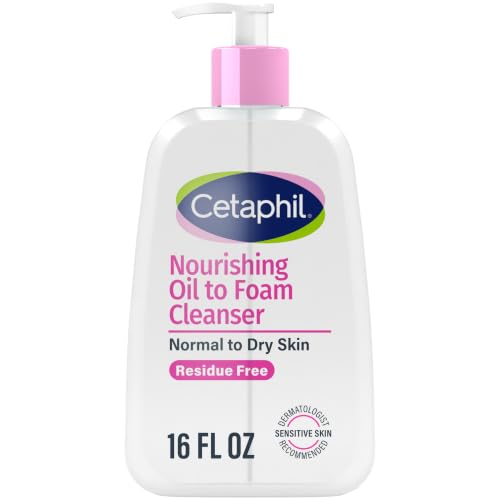
Why Dry Skin Benefits From an Oil Cleanser
Traditional foaming cleansers can leave dry skin feeling tight, flaky, and uncomfortable because they strip away natural lipids along with dirt and makeup. An oil cleanser works differently: the oils bind to oil-based impurities and dissolve them gently, while water-rinsing emulsifiers lift everything away without aggressively depleting the skin barrier. For anyone following a double cleansing routine, the oil step is especially valuable because it removes sunscreen and long-wear makeup that a water-based cleanser alone might leave behind.
Dry skin types often notice that an oil cleanser helps maintain a comfortable, supple feeling after washing. The best formulas include nourishing carrier oils such as jojoba, avocado, squalane, and almond oil, which help replenish the skin while cleansing. If your skin is both dry and reactive, prioritize fragrance-free, non-comedogenic formulas and consider pairing your oil cleanse with a gentle cleanser for dry, sensitive skin for the second step.
Key Features to Look For
Nourishing Carrier Oils
Jojoba, avocado, olive, almond, and squalane help dissolve impurities while leaving a soft, conditioned finish instead of a stripped feeling.
Effective Emulsifiers
A good emulsifier helps the oil mix with water so it rinses cleanly, without leaving a heavy film that can clog pores.
Fragrance-Free Formula
Dry skin can be more prone to irritation. Fragrance-free options reduce the risk of sensitivity and redness.
Non-Comedogenic Label
Look for formulas tested not to clog pores, especially if you are prone to breakouts alongside dryness.
Barrier-Supporting Extras
Ingredients like ceramides, vitamin E, or oat oil can help reinforce the skin barrier during cleansing.
Minimal Ingredient List
Fewer ingredients generally means fewer potential irritants — helpful for dry, sensitive skin types.
How to Choose an Oil Cleanser for Dry Skin
Start by identifying your skin’s primary concern. If your dryness is mostly about dehydration, look for lightweight oils like squalane and jojoba that absorb comfortably. If your skin feels tight and flaky, richer oils such as avocado and olive can provide a more cushioning cleanse. Those with sensitive skin should prioritize fragrance-free, essential-oil-free formulas to minimize irritation risk. And if you wear heavy sunscreen or long-wear makeup, choose an oil cleanser with a reliable emulsifier so it rinses without residue.
Another important factor is the second step in your routine. If you follow your oil cleanser with a harsh foaming cleanser, you may undo the benefits. Pair it with a hydrating, non-foaming cleanser instead, and follow up with a deep moisturizer for dry skin to seal in hydration. For those curious about the broader category, our guide to the best oil cleansers covers additional formulas and skin types.
Comparison by Quality Tier
The table below groups oil cleansers by market positioning so you can compare what each tier typically offers. Prices are not shown — instead, we use universal tier descriptors that stay relevant over time.
| Quality Tier | Typical Strengths | Best For | Trade-Offs |
|---|---|---|---|
| Entry-Level | Simple formulas with basic carrier oils and emulsifiers; widely accessible | First-time oil cleanser users; those testing whether oil cleansing suits their skin | May contain more filler oils or fragrance; less refined texture |
| Mid-Range | Balanced formulas with better emulsifiers, cleaner ingredient lists, and more nourishing oils | Most dry-skin types seeking a reliable daily cleanser | Fewer specialized actives than premium options |
| Premium | Refined textures, barrier-supporting extras, dermatologist-tested, often fragrance-free | Sensitive or reactive dry skin; those wanting a spa-like cleansing experience | Higher investment; diminishing returns for some users |
| Luxury | Botanical blends, elegant slip, and packaging; often includes rare oils | Beauty enthusiasts who value sensorial experience as much as function | Not necessary for effective cleansing; costlier than functional alternatives |
Keep in mind that the tier describes overall market positioning, not a guarantee of suitability. A mid-range fragrance-free oil cleanser can outperform a luxury formula for sensitive dry skin. Focus on ingredient compatibility first, then choose the tier that fits your preferences.
How to Use an Oil Cleanser Correctly
- Start with dry hands and a dry face. Oil cleansers work best before water is introduced, so the oils can fully dissolve makeup and sunscreen.
- Massage gently for 30–60 seconds. Focus on areas with makeup buildup, but avoid tugging or scrubbing the skin.
- Add a little water to emulsify. The formula should turn milky, which signals that it will rinse cleanly.
- Rinse thoroughly with lukewarm water. Hot water can worsen dryness and irritation.
- Follow with a gentle second cleanser if needed. A water-based cleanser helps remove any residue, especially if you wear heavy makeup.
- Apply moisturizer while skin is still slightly damp. This locks in hydration and supports the skin barrier.
For more on layering products effectively, see our double cleansing routine guide, which explains how to combine an oil cleanser with a water-based cleanser without over-cleansing.
Common Mistakes to Avoid
- Using an oil cleanser on wet skin: This dilutes the oils and reduces their ability to dissolve makeup and sunscreen effectively.
- Skipping the emulsifier step: Adding water is what helps the oil rinse away cleanly; without it, residue can linger.
- Choosing a formula with drying alcohols or strong fragrance: These can aggravate dry, sensitive skin.
- Over-cleansing: Using an oil cleanser multiple times a day can strip the skin; once daily in the evening is usually sufficient for dry skin.
- Ignoring the second cleanser: If your oil cleanser leaves a film, follow with a gentle water-based cleanser to prevent clogged pores.
Frequently Asked Questions
Can oil cleanser make dry skin worse?
A well-formulated oil cleanser should not make dry skin worse. The key is choosing a non-comedogenic formula with nourishing carrier oils and avoiding harsh emulsifiers or fragrances that can trigger irritation. Always patch-test a new product first.
How often should I use an oil cleanser if I have dry skin?
Most dry-skin types can use an oil cleanser once daily in the evening as part of a double cleansing routine. If your skin feels tight or reactive, reduce frequency to every other day until you find a comfortable rhythm.
Do I need a second cleanser after an oil cleanser?
A second water-based cleanser is recommended when the oil cleanser does not fully emulsify or when you wear heavy makeup and sunscreen. Look for a gentle, hydrating gel or cream cleanser to avoid stripping moisture.
Which oils are best for dry skin in a cleanser?
Look for nourishing carrier oils such as jojoba, avocado, olive, almond, and squalane. These oils dissolve makeup and sunscreen while helping to support the skin barrier rather than leaving it tight and dry.
Is an oil cleanser safe for sensitive dry skin?
Yes, provided the formula is fragrance-free, non-comedogenic, and free of drying alcohols. Test the product on a small area of skin first, and opt for minimalist formulas if your skin is easily reactive.