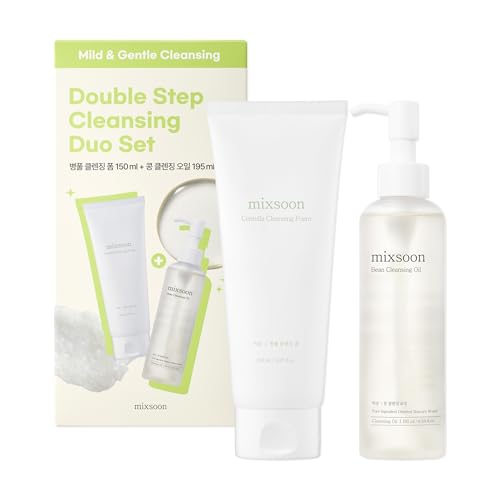
Double Cleansing Routine: The Complete Step-by-Step Guide
Discover why cleansing twice — first with an oil-based cleanser, then a water-based one — is the foundation of clear, balanced, and healthy skin. Learn the method, the products to choose, and the mistakes to avoid.
START THE ROUTINEDouble cleansing is a two-step face-washing method. Step one uses an oil-based cleanser to dissolve makeup, sunscreen, and sebum. Step two uses a water-based cleanser to remove sweat, dirt, and any residue. Together, they leave skin genuinely clean without stripping its natural moisture barrier. It suits nearly every skin type when the formulas are matched correctly.
Why One Cleanse Is Often Not Enough
A single water-based cleanser works well for removing light dirt and sweat, but it struggles against oil-based substances. Sunscreen, long-wear makeup, and your skin's own sebum are all oil-soluble. Water alone cannot fully break them down. When these residues stay behind, they can clog pores, dull the complexion, and interfere with the serums and moisturizers applied afterward.
The double cleansing routine solves this by matching the cleanser to the substance being removed. The first cleanse lifts oil-based debris; the second cleanse clears water-based impurities and any leftover film. The result is skin that feels clean but never tight — the ideal starting point for the rest of your skincare routine.
Deeper Clean
Removes sunscreen and makeup that a single cleanse leaves behind.
Balanced Barrier
Reduces the tight, stripped feeling caused by over-cleansing.
Clearer Pores
Lowers the buildup that can lead to congestion and breakouts.
Better Absorption
Lets treatments and moisturizers work on truly clean skin.
Gentler Experience
Less rubbing and tugging compared to aggressive single cleansing.
Flexible Frequency
Can be done nightly, or only on makeup or sunscreen days.
The Two Steps of a Double Cleanse
The sequence matters. Always begin with the oil-based cleanser and finish with the water-based cleanser. Reversing the order prevents the oil cleanser from doing its job and can leave a residue on the skin.
Oil-Based Cleanse
Apply an oil cleanser, cleansing balm, or micellar oil to dry skin with dry hands. Massage gently for about 60 seconds to dissolve makeup, sunscreen, and sebum. Add a splash of warm water to emulsify the oil into a milky texture, then rinse thoroughly. If your skin is dry or sensitive, a richer formula such as a nourishing oil cleanser is a comfortable choice. Browse more top-rated oil cleansers to compare formulas.
Water-Based Cleanse
Follow with a water-based cleanser suited to your skin type. A gel or foaming cleanser suits oily and combination skin, while a cream or lotion cleanser suits dry and sensitive skin. Massage for 30–60 seconds, then rinse with lukewarm water. For reactive skin, a gentle cleanser for dry, sensitive skin keeps the routine comfortable. Explore the full range of facial cleansers to find your match.
Choosing by tier: Entry-level oil cleansers usually rely on simpler mineral-oil bases and are easy to find at drugstores. Mid-range formulas often add emulsifiers that rinse more cleanly and feel lighter on the skin. Premium and luxury options frequently include plant oils, antioxidants, and more refined textures. The best choice depends on your skin type and how much residue you prefer to avoid — not on the tier alone.
Matching the Routine to Your Skin Type
Double cleansing is adaptable, but the formulas you pick should reflect your skin's needs. The table below outlines sensible pairings for each skin type.
| Skin Type | Oil-Based Cleanser | Water-Based Cleanser | Frequency |
|---|---|---|---|
| Oily | Lightweight cleansing oil or balm | Gel or foaming cleanser | Nightly |
| Dry | Rich oil or balm with plant oils | Cream or lotion cleanser | Nightly, or 3–4× weekly |
| Combination | Medium-weight cleansing oil | Gentle gel cleanser | Nightly |
| Sensitive | Fragrance-free balm or oil | Fragrance-free cream cleanser | 3–4× weekly |
| Acne-Prone | Non-comedogenic cleansing oil | Salicylic or gentle gel cleanser | Nightly |
If you are unsure where to start, a minimalist skincare approach with two reliable cleansers is often the most sustainable choice. For those building a broader routine, pairing this method with non-toxic skincare principles can help keep the ingredient list clean and predictable.
When You Actually Need to Double Cleanse
Double cleansing is not mandatory every single day for every person. It is most valuable in the evening, when the day's accumulation of sunscreen, makeup, pollution, and sebum needs thorough removal. On days when you wear no makeup and no sunscreen, a single gentle cleanse may be sufficient. In the morning, most people only need a rinse or a light cleanse, because the skin has not been exposed to the same buildup overnight.
If your skin feels tight, flaky, or irritated after cleansing, reduce the frequency. A routine built around clean beauty formulas and vegan skincare options can make the process gentler and easier to sustain.
Common Double Cleansing Mistakes to Avoid
- Skipping the emulsifying step. Oil cleansers need a splash of water to turn milky before rinsing. Without it, residue stays on the skin and can cause congestion.
- Using hot water. Lukewarm water is gentler on the skin barrier and reduces redness and dryness.
- Over-cleansing. Cleansing more than twice a day or scrubbing aggressively can strip the barrier and lead to irritation.
- Reversing the order. Always oil first, water-based second. Reversing the sequence defeats the purpose of the method.
- Ignoring skin type. A heavy balm may suit dry skin but overwhelm oily or acne-prone skin. Match formulas deliberately.
- Forgetting sunscreen removal. Even on no-makeup days, sunscreen needs an oil-based cleanse to break down fully.
How to Choose Your Cleansers
When selecting an oil-based cleanser, look for one that emulsifies easily and rinses without a heavy film. For water-based cleansers, choose a pH-balanced formula that cleanses without leaving the skin tight. Fragrance-free options are a safer bet for sensitive skin, and non-comedogenic labels matter if you are prone to breakouts. Readers who prefer to review ingredient philosophies before buying may find the clean beauty brands overview useful, alongside organic brand comparisons.
If you want to see how these cleansers fit into a broader daily routine, the self-care routine guide and the full skincare section provide context on layering, timing, and product order.
Frequently Asked Questions
Not necessarily. It is most useful in the evening on days when you wear makeup or sunscreen. On lighter days, a single gentle cleanse may be enough. Listen to your skin — if it feels tight or irritated, reduce frequency.
It can if the oil cleanser is not fully rinsed or if a formula is comedogenic for your skin. Emulsify thoroughly, rinse well, and choose non-comedogenic options. If breakouts persist, consult a dermatologist.
Choose fragrance-free, minimal-ingredient formulas and cleanse less frequently. Patch-test new products. A cream-based water cleanser paired with a gentle balm is often the most comfortable starting point. For more guidance, see the natural skin remedies section.
A well-formulated oil cleanser usually removes eye makeup effectively. If you wear waterproof mascara, a dedicated eye remover can help. Always close your eyes and use gentle downward strokes to avoid tugging.
Absolutely. The method works for all skin types and genders. Men who shave or use sunscreen daily may benefit from the thorough removal the routine provides. See the men's grooming section for related routines.
No. Double cleansing removes surface debris but does not exfoliate. If your routine includes an exfoliating cleanser, use it as the second step only a few times per week, and avoid combining it with harsh scrubs on the same day.
Building a consistent double cleansing habit is one of the simplest ways to improve skin clarity and comfort over time. Start with formulas matched to your skin type, keep the sequence consistent, and adjust frequency based on how your skin responds. For questions about this guide or our editorial approach, please visit the contact page.