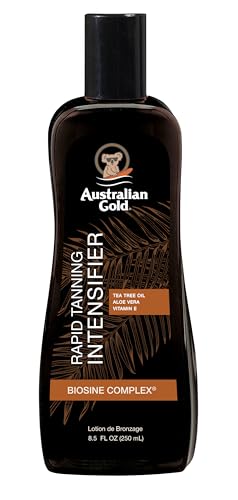
Tanning Oil: Achieve a Natural, Sun-Kissed Glow
Discover the best tanning oils for all skin types, how to apply them safely, and expert tips for a flawless, long-lasting tan.
What is Tanning Oil? Tanning oil is a skincare product designed to accelerate and intensify the skin's natural tanning process when exposed to UV rays (sun or tanning beds). Formulated with nourishing oils and often containing subtle bronzers or shimmer, it helps achieve a deeper, more even tan while keeping skin hydrated and radiant.
Benefits of Using Tanning Oil
🌞 Accelerates Tanning
Tanning oils attract and intensify UV rays, helping you achieve a deeper tan in less time compared to traditional sunscreens. This is perfect for those who want quick results without extended sun exposure.
💧 Deep Hydration
Unlike many sunscreens that can dry out the skin, tanning oils are packed with moisturizing ingredients like body oil, coconut oil, and vitamin E, keeping your skin soft and supple while you tan.
✨ Even, Streak-Free Finish
High-quality tanning oils are formulated to spread evenly, reducing the risk of patchy or uneven color. This ensures a smooth, natural-looking tan from head to toe.
🌟 Boosts Skin Radiance
Many tanning oils contain light-reflecting particles or natural bronzers that give your skin an instant glow, even before the UV rays take full effect. This is why they are often a staple in summer skincare routines.
How to Apply Tanning Oil for Best Results
Step-by-Step Guide
- Exfoliate First: Use a gentle body scrub to remove dead skin cells for an even tan.
- Apply Sparingly: Pour a small amount into your palm and rub it between your hands.
- Massage Evenly: Apply in long, sweeping motions over clean, dry skin. Don't forget hard-to-reach areas like the back.
- Wash Hands: Thoroughly wash your hands after application to avoid orange palms.
- Sunbathe Safely: Spend 15–30 minutes in the sun (or as per your skin type). Reapply after swimming or sweating.
Pro Tip: For a deeper tan, consider using a tanning accelerator in conjunction with your oil.
⚠️ Important Safety Tips
- Choose SPF: Always opt for a tanning oil with at least SPF 15 to protect against harmful UVA/UVB rays.
- Patch Test: Test on a small area of skin first to check for allergic reactions.
- Don't Overdo It: Limit sun exposure, especially between 10 AM and 4 PM, when UV rays are strongest.
- Aftercare: Moisturize after sunbathing with a soothing after-sun lotion to lock in your tan and prevent peeling.
Tanning Oil Price Guide (2026)
Understanding the price range can help you choose the best tanning oil for your budget. Prices vary based on brand, ingredients, and added benefits like SPF or organic certification.
| Category | Price Range | Key Features |
|---|---|---|
| Budget / Drugstore | $8 – $15 | Basic oils, may contain mineral oil, limited SPF. |
| Mid-Range | $16 – $30 | Natural oils (coconut, argan), added vitamins, SPF 15-30. |
| Premium / Organic | $31 – $50+ | Organic, cold-pressed oils, high SPF, antioxidant-rich, eco-friendly packaging. |
| Professional / Luxury | $50+ | Advanced formulas, salon-quality, anti-aging benefits, exotic ingredients. |
💡 Tip: Investing in a mid-range tanning oil with SPF and natural ingredients often offers the best value for both skin health and tanning results.
Choosing the Right Tanning Oil for Your Skin Type
For Oily or Acne-Prone Skin
Opt for lightweight, non-comedogenic oils like face oil with jojoba or grapeseed. Avoid heavy coconut oil if you're prone to breakouts. Look for formulas labeled "oil-free" or "non-comedogenic."
For Dry or Mature Skin
Rich oils like avocado, olive, or argan oil are excellent. They deeply moisturize and help plump the skin, reducing the appearance of fine lines. Consider a product with added hyaluronic acid for extra hydration.
For Sensitive Skin
Mineral-based tanning oils or those with natural, fragrance-free ingredients are safest. Look for products containing aloe vera or chamomile to soothe and protect sensitive skin.
Remember, sunscreen is always recommended, even when using tanning oil, to prevent long-term skin damage. For those who prefer a sunless option, consider exploring self-tanner or bronzing lotion as alternatives.
Frequently Asked Questions About Tanning Oil
Does tanning oil work without sun?
No, tanning oil is designed to work in conjunction with UV rays. It does not contain DHA (the active ingredient in self-tanners). For a sunless tan, consider a self-tanner.
Can I use tanning oil on my face?
Yes, but be cautious. The facial skin is thinner and more sensitive. Use a product specifically formulated for the face or a lightweight face oil with SPF. Avoid heavy oils that may clog pores.
How long does a tan from tanning oil last?
A tan from tanning oil typically lasts 7-10 days, depending on your skin type and how well you moisturize. Using a good body lotion daily can help extend its life.
Is tanning oil safe for all skin tones?
Yes, tanning oil is suitable for all skin tones. However, those with very fair skin should use a product with higher SPF to prevent burning. Always start with a lower SPF and gradually increase sun exposure.
🌟 Final Expert Tip: For the best results, combine your tanning oil routine with a healthy diet rich in beta-carotene (carrots, sweet potatoes) and antioxidants. These nutrients naturally enhance your skin's glow from within. Also, don't forget to exfoliate regularly with a body exfoliator to maintain an even tan.