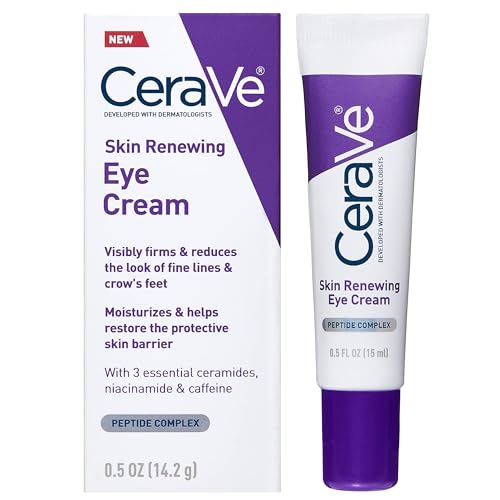
Eye Cream for Sensitive Skin: A Complete Buying Guide
The delicate skin around your eyes deserves gentle care. Learn how to choose a soothing, fragrance-free eye cream that hydrates, de-puffs, and smooths without causing redness or stinging.
If you have sensitive skin, the area around your eyes can be the most reactive zone on your face. It is thin, fragile, and easily irritated by fragrances, preservatives, and active ingredients. That is why finding the right eye cream for sensitive skin is not just about looking refreshed — it is about protecting a vulnerable area from inflammation, dryness, and premature aging.
This guide walks you through what to look for, which ingredients to avoid, and how to build a gentle routine that actually works. Whether you are dealing with puffiness, fine lines, or dark circles, you will learn how to choose a formula that respects your skin barrier.
Quick takeaway: The best eye cream for sensitive skin is fragrance-free, hypoallergenic, and formulated with soothing ingredients like ceramides, hyaluronic acid, and niacinamide. Avoid essential oils, alcohol denat, and high-strength retinol unless your skin has built tolerance.
Why Sensitive Skin Needs a Dedicated Eye Cream
The skin around the eyes is about 0.5 mm thick — roughly four times thinner than the skin on your cheeks. It has fewer oil glands, which makes it prone to dryness, and it sits directly over a dense network of capillaries. This combination means that harsh ingredients cause visible irritation faster here than anywhere else on the face.
Regular face creams are often too rich or too fragranced for this area. A dedicated eye cream for sensitive skin is formulated at a lower irritation threshold, with ingredients buffered for the peri-orbital zone. If your skin also reacts to cleansers and toners, you may benefit from reading our guide on cleanser for dry sensitive skin to build a fully gentle routine.
Key Ingredients to Look For
A good sensitive-skin eye cream prioritizes barrier support and hydration over aggressive anti-aging actives. Here are the ingredients that consistently earn dermatologist approval:
- Ceramides — restore the lipid barrier and reduce water loss, calming irritation.
- Hyaluronic acid — lightweight hydration that plumps fine lines without clogging.
- Niacinamide (2–4%) — strengthens the barrier, reduces puffiness, and gently fades dark circles.
- Centella asiatica (cica) — a soothing botanical that calms redness and reactivity.
- Squalane — a non-comedogenic emollient that softens without heaviness.
- Caffeine (low concentration) — temporarily constricts vessels to reduce morning puffiness.
- Peptides — support collagen without the irritation profile of retinoids.
If you are also exploring oil-based options for dry skin, our best oil cleanser for dry skin guide pairs well with a gentle eye cream routine.
Ingredients to Avoid
Sensitive skin reacts to triggers, not to the product's price tier. The following ingredients are the most common culprits behind stinging, redness, and contact dermatitis around the eyes:
- Fragrance and essential oils — including lavender, citrus, and peppermint oils.
- Alcohol denat — dries the barrier and amplifies irritation.
- Parabens and synthetic dyes — potential sensitizers in a subset of users.
- High-strength retinol — unless formulated for sensitive skin and introduced slowly.
- Physical exfoliants — never appropriate for the eye contour.
Patch test rule: Always test a new eye cream on the inner forearm or behind the ear for 48 hours before applying it near your eye. A reaction on the forearm is a strong warning sign.
Comparing Eye Cream Tiers by Formulation
Rather than focusing on numbers, it helps to classify eye creams by their formulation tier. This tells you what level of refinement and ingredient sophistication to expect. The table below uses a consistent three-tier system.
| Tier | Typical Formulation | Best For |
|---|---|---|
| Budget-Friendly | Simple humectant base with glycerin and light silicones; fragrance-free options exist but check labels carefully. | First-time eye cream users, teens, and those who want basic hydration. |
| Mid-Range | Ceramides, niacinamide, and peptides with improved texture; usually fragrance-free and ophthalmologist-tested. | Daily use for sensitive skin with early signs of puffiness or fine lines. |
| Premium | Encapsulated retinol, advanced peptides, and cica complexes; clinical testing for sensitive skin. | Mature sensitive skin targeting wrinkles and dark circles with tolerance. |
Mid-range formulas usually offer the best balance for sensitive skin: they include barrier-supporting ingredients without the aggressive actives that dominate some premium anti-aging products. Entry-level formulas can work well for hydration, but check that fragrance is absent.
How to Apply Eye Cream for Sensitive Skin
Application technique matters as much as the formula. Follow these steps to minimize irritation:
- Cleanse gently with a non-foaming, fragrance-free cleanser. Avoid hot water.
- Pat dry with a soft towel — never rub the eye area.
- Apply a pea-sized amount using your ring finger, which has the lightest touch.
- Tap, don't drag along the orbital bone, starting from the outer corner moving inward.
- Wait 60 seconds before applying makeup or sunscreen.
If you use a general eye cream with actives like retinol, alternate nights with a soothing ceramide cream to let your barrier recover. For puffiness, a cool ice roller in the morning can complement your cream and reduce fluid retention.
Building a Gentle Eye Routine
A sensitive-skin routine should be minimal and consistent. Here is a simple morning and evening framework:
Morning
- Gentle cleanse → hydrating toner (alcohol-free) → sensitive-skin eye cream → lightweight moisturizer → dermatologist recommended sunscreen for face.
Evening
- Double cleanse if wearing makeup → soothing eye cream → barrier repair moisturizer. Once or twice weekly, swap in a eye cream for bags under eyes if puffiness is your primary concern.
If your skin is also prone to dark circles, our color corrector for dark circles guide explains how to pair skincare with makeup for a more rested look.
Common Mistakes That Irritate Sensitive Eyes
- Applying too much product — excess cream migrates into the eye and causes stinging.
- Using face cream around the eyes — fragranced face creams are a frequent trigger.
- Layering too many actives — retinol, vitamin C, and acids together overwhelm the barrier.
- Skipping patch tests — even "hypoallergenic" products can cause reactions in some users.
- Rubbing the eyes — mechanical friction worsens dark circles and fine lines.
For a broader look at gentle product choices, explore our natural skin remedies and non-toxic skincare guides. If you are building a full clean routine, minimalist skincare is a useful framework for sensitive skin.
Frequently Asked Questions
What ingredients should I avoid in an eye cream for sensitive skin?
Avoid fragrance, essential oils, alcohol denat, parabens, and synthetic dyes. These are common triggers for irritation around the delicate eye area. Look for fragrance-free, hypoallergenic formulas instead.
Can sensitive skin use retinol eye cream?
Yes, but with caution. Choose encapsulated or low-concentration retinol formulas designed for sensitive skin, start with twice-weekly use, and always patch test first. Buffering with a moisturizer can reduce irritation.
How do I patch test an eye cream for sensitive skin?
Apply a small amount to the inner forearm or behind the ear for 24-48 hours. If no redness, itching, or swelling occurs, test a tiny amount near the outer eye corner before applying to the full eye area.
How long does it take for an eye cream to work on sensitive skin?
Hydration benefits can be noticed within days, but improvements in fine lines, puffiness, and dark circles typically require 4-8 weeks of consistent use. Sensitive skin may need a longer adjustment period.
Ready to find your match? Browse our curated selection of gentle eye creams below, chosen for sensitive skin compatibility.
View Recommended Eye CreamsThis guide is for educational purposes. If you experience persistent irritation, consult a dermatologist. For more on our editorial standards, see our disclaimer.