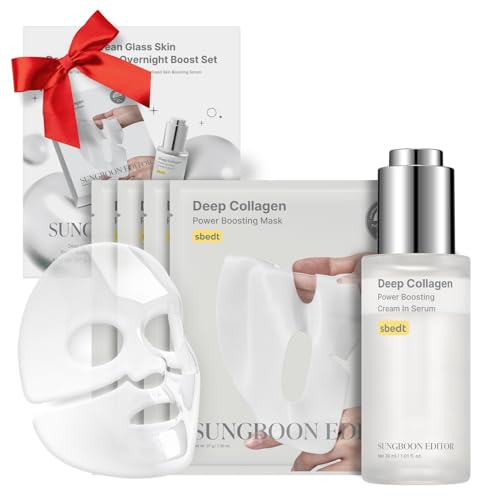
Collagen Boosting Skincare: The Ultimate Guide
Discover science-backed strategies to stimulate collagen production, reduce fine lines, and restore skin firmness for a visibly younger complexion.
Why Collagen Matters: Collagen is the most abundant protein in your skin, responsible for structure, elasticity, and firmness. Starting in your mid-20s, natural collagen production declines by about 1% each year, leading to sagging, fine lines, and wrinkles. The good news? A targeted collagen boosting skincare routine can slow this process and even reverse visible signs of aging.
1. Top Ingredients That Boost Collagen
Building an effective collagen-boosting routine starts with choosing the right active ingredients. Here are the most scientifically proven compounds that stimulate collagen synthesis and protect existing collagen from degradation.
Retinoids (Retinol / Retinaldehyde)
Vitamin A derivatives that bind to retinoic acid receptors in skin cells, directly stimulating collagen production. They also increase cell turnover, reducing fine lines and hyperpigmentation. For best results, consider incorporating a retinol serum into your evening routine.
Vitamin C (L-Ascorbic Acid)
A powerful antioxidant that neutralizes free radicals from UV exposure and pollution. More importantly, it is a necessary co-factor for collagen synthesis. Look for stable formulations with 10–20% L-ascorbic acid. For sensitive skin, explore sodium ascorbyl phosphate or ethyl ascorbic acid as gentler alternatives.
Peptides
Short chains of amino acids that act as signaling molecules, telling your skin to produce more collagen. Matrixyl and copper peptides are among the most researched. Peptides are gentle and pair well with other active ingredients. Learn more about peptides in skincare.
Ferulic Acid
A potent antioxidant that stabilizes vitamin C and provides additional photoprotection. When combined with vitamin C and vitamin E, it significantly enhances collagen preservation. Explore the ferulic acid benefits for anti-aging.
Snail Mucin
Contains natural peptides, glycolic acid, and allantoin that promote skin repair and collagen production. It is particularly beneficial for hydration and soothing sensitive skin. Discover more about snail mucin in skincare.
Centella Asiatica (Cica)
This healing herb stimulates collagen production and reduces inflammation. It is ideal for sensitive or compromised skin barriers. Read about centella asiatica extract benefits.
2. Building Your Collagen-Boosting Routine
A comprehensive collagen-boosting routine involves more than just applying a single serum. Here is a step-by-step approach to maximize results:
- Double Cleanse: Start with an oil-based cleanser to dissolve sunscreen and makeup, followed by a water-based cleanser. This ensures active ingredients penetrate deeply. Master the double cleansing method for optimal results.
- Exfoliate (2-3x weekly): Use a gentle chemical exfoliant like salicylic acid or a PHA to remove dead skin cells, allowing collagen-boosting ingredients to penetrate more effectively.
- Apply Active Serums: Layer vitamin C (morning) and retinol (evening) on clean, dry skin. Follow with a peptide serum or moisturizer containing peptides.
- Moisturize: Use a rich moisturizer with ceramides to support the skin barrier. A well-hydrated barrier retains moisture and allows collagen synthesis to function optimally. A good moisturizer for combination skin or dry skin is essential.
- Protect with Sunscreen: UV radiation is the #1 collagen destroyer. Apply a broad-spectrum best sunscreen for face every morning, rain or shine.
3. Lifestyle Habits That Support Collagen
Skincare products alone cannot maximize collagen production. These lifestyle factors are equally important:
🥗 Nutrition
Consume foods rich in vitamin C (citrus, bell peppers), amino acids (eggs, bone broth), and antioxidants (berries, green tea). Consider a high-quality healthy eating plan that supports skin health from within.
😴 Sleep Quality
Collagen synthesis peaks during sleep. Aim for 7–9 hours of quality rest. Establish a consistent sleep routine to support skin repair.
🚭 Avoid Smoking & Excess Sugar
Smoking and high sugar intake produce advanced glycation end-products (AGEs) that break down collagen and elastin. Reducing sugar is a cornerstone of anti-inflammatory diet for skin health.
🧘 Stress Management
Chronic stress elevates cortisol, which degrades collagen. Incorporate meditation or relaxation techniques into your daily life.
4. Professional Collagen-Boosting Treatments
For more dramatic results, dermatologists offer in-office procedures that stimulate deep collagen production. Here is a comparison of popular treatments with estimated market prices:
| Treatment | How It Works | Average Price (USD) |
|---|---|---|
| Microneedling | Creates micro-injuries to trigger collagen and elastin production. Often combined with PRP (platelet-rich plasma). | $300–$700 |
| LED Light Therapy | Red and near-infrared light penetrate deep to stimulate fibroblasts and increase collagen synthesis. | $50–$150 per session |
| Radiofrequency (RF) Microneedling | Combines microneedling with RF energy for deeper collagen remodeling. Highly effective for skin tightening. | $800–$2,500 |
| Chemical Peels | Medium-depth peels (TCA or phenol) stimulate collagen production by removing damaged skin layers. | $600–$1,500 |
| Laser Resurfacing | Ablative or non-ablative lasers heat the dermis to stimulate new collagen formation. | $2,000–$4,500 |
* Prices vary by location and provider. Consult a board-certified dermatologist for personalized treatment plans.
5. Collagen Supplements: Do They Work?
Hydrolyzed collagen peptides (types I, II, and III) are broken down into absorbable amino acids. Clinical studies show that 2.5–15 grams daily can improve skin elasticity and hydration. Look for products with vitamin C for better absorption. Always choose high-quality natural skincare supplements from reputable brands.
6. Frequently Asked Questions
At what age should I start collagen-boosting skincare?
Most dermatologists recommend starting in your mid-to-late 20s when natural collagen production begins to decline. However, it is never too late to start — your skin can regenerate at any age.
Can I use retinol and vitamin C together?
Yes, but use them at different times of day. Apply vitamin C in the morning for antioxidant protection, and retinol at night to stimulate collagen synthesis. This separation minimizes irritation and maximizes efficacy.
How long does it take to see results?
Visible improvement in fine lines and firmness typically appears in 6–12 weeks of consistent use. Peak collagen remodeling occurs around 6–12 months of continuous treatment.
Is collagen boosting skincare safe for sensitive skin?
Yes, but start slowly. Choose gentler forms like sodium ascorbyl phosphate (vitamin C), encapsulated retinol, or peptide-rich products. Always patch-test and introduce actives gradually.
Ready to Start Your Collagen Journey?
A consistent collagen-boosting skincare routine is one of the most effective investments in your skin's future. By combining science-backed ingredients like retinol, vitamin C, and peptides with healthy lifestyle habits, you can maintain firmer, smoother, and more youthful skin for years to come.
Explore the recommended products below to build your personalized collagen-boosting regimen.