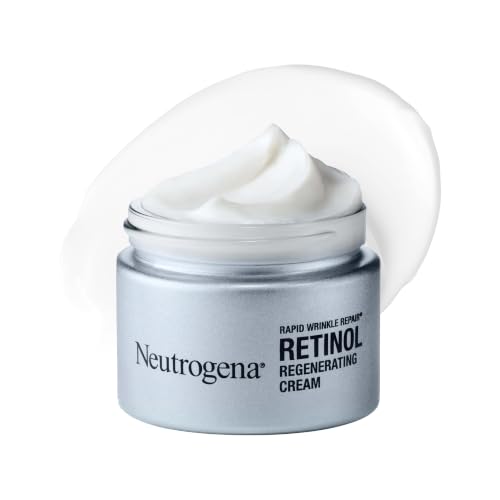
Cream for Wrinkles: Your Complete Guide to Smoother, Younger-Looking Skin
Understand what makes an effective anti-wrinkle cream, which ingredients truly work, and how to choose the right formula for your skin type and concerns.
Why This Guide Matters: Wrinkles and fine lines are a natural part of aging, but the right cream can visibly soften their appearance, improve skin texture, and help prevent new ones from forming. With hundreds of products on the market, knowing what to look for is essential.
This guide breaks down the science of wrinkle creams, highlights evidence-backed ingredients, and helps you make an informed decision before you buy.
Understanding Wrinkles: What Causes Them and How Creams Help
Wrinkles form through a combination of intrinsic aging (genetics and natural collagen depletion) and extrinsic factors like sun exposure, pollution, smoking, and repeated facial expressions. As collagen and elastin production slows, skin loses its structural support, leading to fine lines and deeper creases.
A well-formulated cream for wrinkles addresses these factors through multiple mechanisms: hydration to plump the skin, antioxidants to neutralize free radical damage, and active ingredients that stimulate collagen production or encourage cell turnover. Understanding these pathways helps you evaluate whether a product's claims are backed by real science.
If you're building a comprehensive anti-aging routine, consider pairing your wrinkle cream with targeted treatments like an anti-wrinkle oil for face or a collagen-boosting skincare regimen. For those focused on prevention, a dermatologist-recommended sunscreen for face is the single most important step.
Key Ingredients That Make a Cream for Wrinkles Effective
Not all wrinkle creams are created equal. The most effective formulas combine proven active ingredients with supportive hydrators and barrier-repairing components. Here are the ingredients with the strongest clinical evidence:
| Ingredient | How It Works | Best For |
|---|---|---|
| Retinoids (Retinol, Retinaldehyde) | Accelerate cell turnover, stimulate collagen production, and reduce the appearance of fine lines over time. | Fine lines, deep wrinkles, uneven texture, sun damage |
| Peptides | Signal skin to produce more collagen and elastin; some peptides also help relax expression lines. | Early signs of aging, prevention, sensitive skin |
| Hyaluronic Acid | Draws moisture into the skin, instantly plumping and smoothing the appearance of fine lines. | Dehydrated skin, fine lines, all skin types |
| Vitamin C | Powerful antioxidant that neutralizes free radicals, brightens skin tone, and supports collagen synthesis. | Dullness, sun damage, prevention, uneven tone |
| Niacinamide | Strengthens the skin barrier, reduces redness, and improves elasticity while regulating oil production. | Sensitive skin, redness, enlarged pores, barrier repair |
| Ceramides | Rebuild the skin's natural lipid barrier, preventing moisture loss and protecting against irritation. | Dry skin, compromised barrier, eczema-prone skin |
| Alpha Hydroxy Acids (AHAs) | Exfoliate dead skin cells, revealing smoother, brighter skin underneath; improve texture and tone. | Rough texture, dullness, superficial fine lines |
Pro Tip: For maximum effectiveness, look for creams that combine multiple actives—such as a retinol-plus-peptide formula or a vitamin C-plus-hyaluronic acid blend. Layering too many strong actives can cause irritation, so start slowly and introduce one product at a time.
What a Good Cream for Wrinkles Can Do for Your Skin
Reduce Fine Lines
Consistent use of a well-formulated cream softens the appearance of fine lines around the eyes, mouth, and forehead by improving hydration and stimulating cellular renewal.
Boost Hydration
Hydrated skin looks plumper and more youthful. Ingredients like hyaluronic acid and glycerin draw water into the skin, temporarily filling out shallow wrinkles.
Stimulate Collagen
Retinoids and peptides support the skin's natural collagen production, improving firmness and elasticity over weeks to months of consistent use.
Protect Against Damage
Antioxidants like vitamin C and niacinamide help defend against environmental aggressors that accelerate visible aging.
Improve Skin Texture
Exfoliating ingredients and cell-turnover boosters smooth rough patches and refine pores, creating a more even, radiant complexion.
Even Out Skin Tone
Ingredients like vitamin C and niacinamide help fade dark spots and reduce redness, contributing to a more uniform, youthful appearance.
How to Choose the Right Cream for Wrinkles
1. Identify Your Primary Concern
Are you dealing with fine lines from dehydration, deeper wrinkles from collagen loss, or uneven texture from sun damage? Your primary concern should guide your ingredient choices. For hydration-focused concerns, look for hyaluronic acid and ceramides. For structural aging, prioritize retinoids and peptides. For tone and texture, vitamin C and AHAs are your allies.
2. Match the Formula to Your Skin Type
Oily and acne-prone skin benefit from lightweight, non-comedogenic formulas—often gels or lotions. Dry and mature skin typically needs richer creams with ceramides and occlusives to lock in moisture. Sensitive skin should opt for fragrance-free, minimalist formulas and introduce active ingredients gradually. If you have a specific concern like bags under eyes, consider a dedicated eye cream in addition to your face cream.
3. Understand the Tier System
Rather than focusing on price, think about where a product sits in terms of formulation complexity. Here's a practical framework:
Hydration-Focused Formulas
Typically feature hyaluronic acid, glycerin, and basic antioxidants. Great for prevention and for those new to anti-aging skincare. May provide immediate plumping but limited long-term structural benefits.
Multi-Active Formulas
Combine proven actives like retinol, peptides, and vitamin C with supporting hydrators. Offer a balance of immediate results and long-term improvement. Suitable for most skin types with consistent use.
Advanced Delivery Systems
Feature encapsulated actives, stabilized formulas, and sophisticated delivery mechanisms that enhance absorption and minimize irritation. Often combine multiple peptides, growth factors, or proprietary complexes.
4. Check for Irritants and Allergens
Fragrance, essential oils, and certain preservatives can trigger irritation, especially in sensitive skin. If you have reactive skin, patch-test any new product on your inner arm for 48 hours before applying it to your face. For those with specific sensitivities, exploring organic face cream options or non-toxic skincare brands may be beneficial.
How to Apply Wrinkle Cream for Maximum Results
Even the best formula won't deliver results if applied incorrectly. Follow these steps for optimal absorption and effectiveness:
- Start with clean, slightly damp skin. Apply your wrinkle cream after cleansing and toning, while the skin is still slightly damp to lock in moisture. If using a face serum, apply it before your cream.
- Use gentle upward motions. Apply a pea-sized amount and gently massage upward and outward. Avoid dragging or pulling the skin, especially around the delicate eye area.
- Focus on problem areas. Pay extra attention to areas prone to expression lines: the forehead, crow's feet around the eyes, and smile lines around the mouth.
- Don't forget your neck and décolleté. These areas show signs of aging just as quickly as the face and are often neglected in skincare routines.
- Use morning and evening. Many wrinkle creams are designed for twice-daily use. If your cream contains retinol, use it only at night unless specifically formulated for daytime use.
- Always follow with SPF during the day. Sun exposure is the biggest accelerator of visible aging. A broad-spectrum sunscreen is non-negotiable when using anti-aging actives.
Common Mistakes to Avoid When Using a Cream for Wrinkles
- Expecting overnight results. Most anti-aging ingredients need 8–12 weeks of consistent use to show visible improvement. Be patient and consistent.
- Applying too much product. More is not better. Excess cream can clog pores and waste product. A pea-sized amount is sufficient for the entire face.
- Skipping sunscreen. Using retinol or AHAs without daily sun protection can actually worsen skin damage. UV exposure undoes the benefits of your cream.
- Mixing too many strong actives at once. Layering retinol, AHAs, and vitamin C simultaneously can cause irritation and compromise your skin barrier. Introduce one active at a time.
- Neglecting the neck and hands. These areas reveal age just as much as the face. Extend your skincare routine beyond the jawline.
- Giving up too soon. If you don't see results in two weeks, don't abandon ship. Track your progress with photos and give the product a fair trial of at least two to three months.
Complementary Practices to Enhance Your Results
A wrinkle cream works best as part of a holistic anti-aging approach. Consider these complementary practices:
Facial massage and tools: Using a gua sha tool or jade roller can boost circulation and enhance product absorption. These tools also provide a relaxing, mindful ritual that supports overall well-being.
Targeted treatments: For stubborn areas, consider a LED light therapy device or micro-needling at home (with proper precautions and research). Professional treatments like these can complement your at-home cream regimen.
Lifestyle factors: Adequate sleep, stress management, and a nutrient-rich diet all influence skin health. Explore beauty sleep tips and skin health diet guidance to support your skin from within. For stress relief, practices like mindfulness and meditation can help reduce cortisol levels that contribute to premature aging.
Preventive care: If you're in your 20s or early 30s, focus on prevention with antioxidant-rich formulas and daily SPF. Explore getting started resources to build a solid foundation.
Ready to Find Your Perfect Wrinkle Cream?
Explore our curated selection of highly-rated anti-wrinkle creams below. Each product is chosen for its proven ingredients and positive user feedback.
View Recommended ProductsFrequently Asked Questions About Creams for Wrinkles
What is the best cream for wrinkles?
The best cream for wrinkles depends on your skin type and concerns. Look for formulas containing retinol, peptides, hyaluronic acid, or vitamin C. Entry-level options often feature hyaluronic acid and antioxidants, while premium formulas combine multiple actives like retinol and peptides for comprehensive anti-aging benefits.
How long does it take for wrinkle cream to work?
Most clinical studies show visible improvements in fine lines and wrinkles after 8 to 12 weeks of consistent daily use. Hydration-focused creams may provide immediate plumping effects, while collagen-stimulating ingredients like retinol and peptides require longer to remodel skin structure.
Can young people use wrinkle cream?
Yes, preventive use of wrinkle creams starting in your mid-20s can help delay visible signs of aging. Focus on antioxidant-rich formulas, broad-spectrum SPF, and hydrating ingredients rather than strong retinol unless recommended by a dermatologist.
What ingredients should I look for in a wrinkle cream?
Key anti-aging ingredients include retinoids (retinol, retinaldehyde) for cell turnover, peptides for collagen support, hyaluronic acid for hydration, vitamin C for antioxidant protection, niacinamide for barrier repair, and ceramides for moisture retention.
How should I apply wrinkle cream for best results?
Apply wrinkle cream to clean, slightly damp skin morning and evening. Use gentle upward motions, focusing on areas prone to fine lines like around the eyes, mouth, and forehead. Always follow with sunscreen during the day, especially when using retinol-based products.
This guide is for educational purposes only. Individual results may vary. Always consult a dermatologist for personalized advice, especially if you have sensitive skin or specific skin conditions. For full details, please read our disclaimer and affiliate disclosure.