
Baked Foundation for Mature Skin: A Complete Guide
Discover why baked foundation is a game-changer for mature skin. Learn how to choose, apply, and set it for a smooth, radiant finish that lasts all day.
SHOP RECOMMENDED PRODUCTSWhy baked foundation works for mature skin: As skin matures, it naturally loses moisture, elasticity, and oil production. Baked foundations — created by slow-baking cream formulas in a dome-shaped mold — deliver a lightweight, buildable coverage with a luminous finish. The result is a foundation that reflects light, softens the look of fine lines, and never settles into creases the way heavy liquid formulas can. If you're researching baked foundation for mature skin, this guide gives you everything you need to make a confident buying decision.
In This Guide
What Is Baked Foundation?
Baked foundation is a type of makeup created through a unique manufacturing process. A liquid or cream formula is poured into a dome-shaped terracotta mold and slowly baked in an oven at a controlled temperature. During baking, water evaporates, leaving behind a concentrated, powder-like texture in a dome shape. This process — often called "geo-baking" in the beauty industry — creates a foundation that feels creamy when applied but sets to a silky, semi-matte finish.
The result is a versatile product that can be used dry for sheer, buildable coverage or applied with a damp sponge for a more opaque, seamless finish. Because the formula is concentrated, a little goes a long way, and the baked texture tends to sit more lightly on the skin than traditional liquid foundations. If you're new to this category, our getting started guide covers the basics of building a makeup routine from scratch.
Why Baked Foundation Suits Mature Skin
Mature skin has specific needs: it craves hydration, benefits from light-reflecting textures, and needs coverage that won't emphasize texture or settle into lines. Baked foundation checks all these boxes. Here's why it's a smart choice:
- Lightweight texture: The baked formula is airy and concentrated, so it doesn't feel heavy or cakey on the skin — a common complaint with thick liquid foundations.
- Luminous finish: Many baked foundations contain subtle light-reflecting pigments that give a soft-focus effect, minimizing the appearance of fine lines and dullness.
- Buildable coverage: You control the intensity — sheer for an everyday look or layered for special occasions — without the risk of overloading the skin.
- Less settling into lines: Because the formula is drier and lighter, it's less likely to migrate into creases around the eyes and mouth compared to rich liquid formulas.
- Long-wearing: Baked foundations tend to have excellent staying power, making them ideal for long days and events.
That said, mature skin still needs a solid skincare base. Pair your baked foundation with a hydrating routine — our deep moisturizer guide and collagen-boosting skincare articles are great places to start. A well-moisturized base helps any foundation glide on more smoothly.
What to Look For in the Formula
Not all baked foundations are created equal. When shopping for mature skin, scan the ingredient list and product description for these features:
Hydrating Ingredients
Look for formulas that include hyaluronic acid, glycerin, squalane, or ceramides. These ingredients help counteract the dryness that often accompanies mature skin and keep the foundation from looking flat or powdery. A formula with a bit of slip will blend more easily over textured areas.
Light-Reflecting Pigments
Mica, silica, and soft-focus powders are common in baked foundations and help diffuse light across the skin. This creates a subtle glow and blurs the look of pores and fine lines. Be cautious with overly shimmery formulas — you want a refined glow, not glitter.
Non-Comedogenic & Fragrance-Free
Mature skin can be more sensitive, so opt for non-comedogenic (won't clog pores) and fragrance-free formulas whenever possible. This reduces the risk of irritation and breakouts. If you have reactive skin, our sensitive skin eye cream guide offers additional tips for choosing gentle products.
SPF Protection
Some baked foundations include built-in SPF. While you should never rely on makeup alone for sun protection, an SPF boost is a nice bonus. For proper protection, layer a dedicated sunscreen underneath — our dermatologist-recommended sunscreen guide explains how to choose one that layers well under makeup.
Choosing the Right Coverage & Finish
Baked foundations typically fall into three coverage categories. Understanding the difference helps you pick the right one for your skin and occasion:
| Coverage Level | Best For | Application Method | Finish |
|---|---|---|---|
| Sheer | Everyday wear, good skin days, natural look | Fluffy powder brush, dry | Luminous, skin-like |
| Medium | Most mature skin types, events, uneven tone | Damp sponge or dense brush | Semi-matte, smooth |
| Full | Special occasions, redness, pigmentation | Damp sponge, layered | Velvet, matte |
For mature skin, medium coverage is usually the sweet spot — enough to even out tone without masking the skin's natural texture. Sheer coverage is ideal for a "no-makeup makeup" look, while full coverage can be reserved for events or when you need extra correction. If you're dealing with specific concerns like dark spots, our dark spot treatment guide and color corrector guide can help you address them before foundation.
How to Apply Baked Foundation Step-by-Step
Application makes or breaks the look of baked foundation on mature skin. Follow this step-by-step routine for a seamless, long-lasting finish:
Step 1: Prep the Skin
Start with a clean, moisturized face. Apply a hydrating serum, moisturizer, and eye cream, and let each layer absorb for a minute before moving on. A good primer is optional but can help smooth the surface — look for a hydrating or blurring primer rather than a mattifying one, which can emphasize dry patches.
Step 2: Use the Right Tools
The tool you use determines the coverage and finish. For sheer coverage, use a fluffy powder brush. For medium to full coverage, a damp beauty blender or a dense foundation brush works best. Always start with a small amount and build up — baked foundation is pigmented, and it's easier to add than to remove.
Step 3: Apply in Thin Layers
Tap or swirl your brush or sponge into the product, then tap off any excess. Apply to the center of the face first (where coverage is needed most), then blend outward toward the hairline and jaw. Use pressing and rolling motions rather than sweeping, which can disturb the formula and highlight texture.
Step 4: Set Strategically
Baked foundation sets on its own, but a light dusting of translucent powder in the T-zone can help control shine. Avoid heavy powdering — mature skin can look dry and flat if over-set. A setting spray can add a bit of hydration and help the foundation melt into the skin for a more natural finish.
Step 5: Add Dimension
Finish with a touch of bronzer or blusher on the cheeks to bring warmth and life back to the face. A subtle highlighter on the high points of the cheekbones can enhance the luminous effect of the baked foundation.
Common Mistakes to Avoid
Even the best baked foundation can look less than ideal if applied incorrectly. Here are the most common pitfalls and how to avoid them:
- Applying to dry, unmoisturized skin: This is the number one cause of cakey, patchy foundation. Always prep with a hydrating routine first.
- Using too much product: Baked foundation is concentrated. Start with a small amount and build — overloading leads to a heavy, mask-like look.
- Skipping primer on textured areas: If you have large pores or fine lines, a smoothing primer in those areas can help the foundation sit more evenly.
- Over-powdering: Setting powder is useful in moderation, but too much will dull the luminous finish and emphasize dryness.
- Choosing the wrong shade: A shade that's too light or too dark will look obvious and unnatural. Match to your jawline in natural light.
- Ignoring skincare: Foundation can only do so much. A consistent skincare routine — including exfoliating cleanser and eye cream — is the real foundation of a good makeup look.
Finding Your Perfect Shade
Shade matching is critical for any foundation, but especially for mature skin, where the wrong shade can look harsh or aging. Here's how to get it right:
- Test on the jawline: Swipe a small amount along your jawline and blend down slightly onto the neck. The right shade should disappear into your skin without a visible line.
- Check in natural light: Store lighting can distort color. Step outside or near a window to see how the shade looks in daylight.
- Consider your undertone: Mature skin can develop redness or uneven tone, so match to your overall undertone (warm, cool, or neutral) rather than trying to correct it with foundation alone.
- Let it set: Baked foundations can oxidize slightly as they warm up on the skin. Wait 10–15 minutes before deciding if a shade is right.
- Ask for samples: Whenever possible, request a sample or test from a tester pot to try the foundation over a full day before committing.
If you're unsure about your undertone, our color correcting cream guide explains how to identify and neutralize redness, which can help you choose a more accurate foundation shade.
Product Tier Comparison: What to Expect
Baked foundations are available across a wide range of quality tiers. To help you set expectations, here's a general comparison of what you can expect at each tier — without getting into specific figures. Use this as a guide to align your purchase with your priorities:
| Tier | Typical Features | Best For |
|---|---|---|
| Entry-Level / Budget-Friendly | Basic baked formula, limited shade range, simpler ingredient list, may lack skincare benefits | First-time baked foundation users, occasional wear, testing the format |
| Mid-Range / Mid-Tier | Better texture and blendability, wider shade range, some hydrating or light-reflecting ingredients, good wear time | Most mature skin users, daily wear, a balance of quality and value |
| Premium / High-End | Refined, finely milled texture, skincare-infused formulas, extensive shade range, luxurious packaging, excellent longevity | Those who prioritize finish and ingredients, special occasions, long-term daily use |
| Luxury / Top-Tier | Exceptional craftsmanship, rare ingredients, bespoke shade matching, premium experience from packaging to wear | Beauty enthusiasts, gifting, those seeking the most refined finish available |
For most people, the mid-range tier offers the best balance of performance and value. Entry-level options are a great way to try the format, while premium and luxury tiers deliver a more polished experience if that's a priority for you. Remember that a higher tier doesn't automatically mean a better match — the right shade and formula for your skin type matter more than the tier alone.
Ready to Find Your Perfect Baked Foundation?
Explore our curated selection of baked foundations suited for mature skin, chosen for their texture, finish, and skin-friendly ingredients.
VIEW RECOMMENDED PRODUCTSFrequently Asked Questions
Is baked foundation better than liquid for mature skin?
It depends on your preferences and skin type. Baked foundation is lighter and less likely to settle into lines, which many mature skin users appreciate. However, very dry skin may still prefer a hydrating liquid or cream foundation. Many people use both — liquid for dry days and baked for humid weather or events.
Can baked foundation be used wet or dry?
Yes! Applying it dry with a brush gives sheer, buildable coverage and a natural finish. Applying it with a damp sponge gives a more opaque, seamless finish. Experiment with both to see which you prefer.
How do I stop baked foundation from looking cakey?
Hydrate your skin well before application, use a damp sponge, apply in thin layers, and avoid over-powdering. If you notice cakeiness, a setting spray can help melt the foundation into the skin.
Does baked foundation work on dry skin?
Yes, with the right prep. A hydrating primer and a damp application method can make baked foundation work well on dry skin. Look for formulas with hydrating ingredients like squalane or hyaluronic acid. For extra moisture, consider layering a gentle oil cleanser and a rich moisturizer in your routine.
How long does baked foundation last?
Most baked foundations last 8–12 hours depending on your skin type and the setting products used. Oily skin may see faster fading in the T-zone, while dry skin may get longer wear. A light setting powder and spray can extend wear time.
Can I use baked foundation over sunscreen?
Absolutely. Apply sunscreen as the last step of your skincare routine, let it absorb for a few minutes, then apply primer if desired, followed by the baked foundation. A lightweight, non-greasy sunscreen layers best under makeup — our sunscreen guide has recommendations.
Is baked foundation good for sensitive skin?
It can be, especially if you choose a fragrance-free, non-comedogenic formula. However, baked foundations can contain mica or other light-reflecting particles, which some sensitive skin types may find irritating. Always patch-test a new product before full application.
What's the difference between baked foundation and powder foundation?
Baked foundation is a cream-to-powder formula that's been baked in a mold, giving it a creamy application and a skin-like finish. Powder foundation is a loose or pressed powder that offers lighter coverage and a more matte finish. Baked foundation generally provides more coverage and a more luminous look.
Final Thoughts
Baked foundation is a versatile, mature-skin-friendly option that offers buildable coverage, a luminous finish, and a lightweight feel. By choosing the right formula, prepping your skin properly, and applying with the right tools, you can achieve a smooth, radiant look that lasts all day. Whether you're new to baked foundation or looking to refine your technique, the tips in this guide will help you make a confident, informed choice.
Before you buy, consider your skin type, coverage needs, and the finish you prefer. And remember — the best foundation is one that works with your skin, not against it. For more guidance on building a complete routine, explore our beauty products hub and beauty tools guide.
Recommended Baked Foundations for Mature Skin
⚠️ AFFILIATE DISCLOSURE: This website contains affiliate links. As an Amazon Associate, we earn from qualifying purchases. If you make a purchase through these links, we may receive a small commission at no additional cost to you. Read our full affiliate policy.

KIMUSE Baked Foundation, Color Correcting Powder Foundation for Mature Skin
Check price on Amazon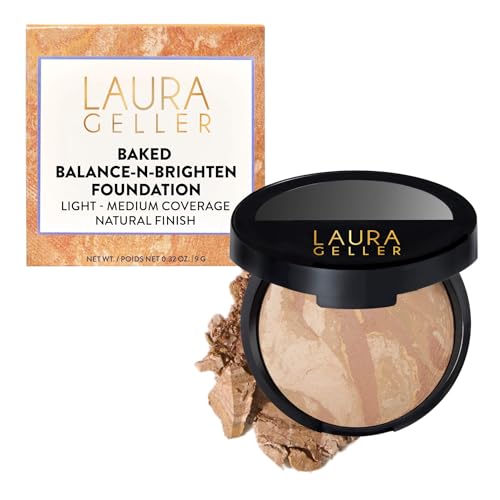
LAURA GELLER Baked Balance-n-Brighten Powder Foundation – Light
Check price on Amazon
LAURA GELLER Baked Balance-n-Brighten Powder Foundation – Medium
Check price on Amazon
KIMUSE Baked Foundation, Color Correcting for Mature Skin, with Brush
Check price on Amazon
LAURA GELLER Baked Balance-n-Brighten Powder Foundation – Fair
Check price on Amazon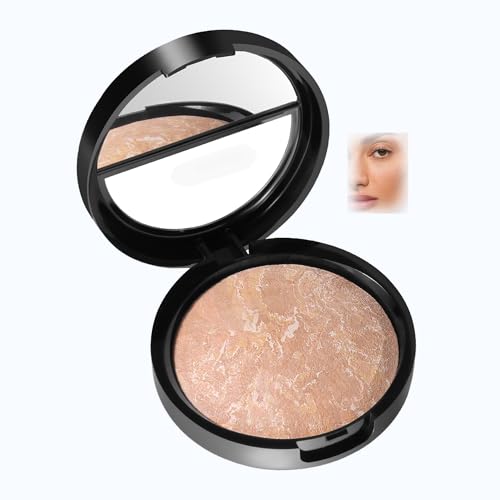
AKARY Baked Powder Foundation, Oil Control Correcting Foundation, Buildable Light to Medium Coverage - Demi-Matte Natural Finish Smooth Lightweight Setting Powder Palette, 03 Light Beige
Check price on Amazon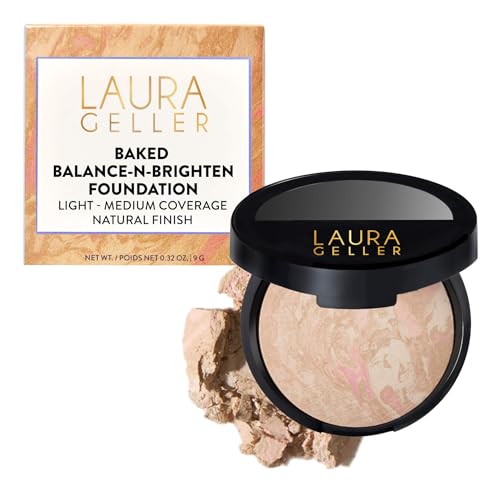
LAURA GELLER Baked Balance-n-Brighten Foundation – Porcelain
Check price on Amazon