
Skincare Brand Guide: How to Choose a Brand That Actually Works
Not all skincare brands are created equal. Learn how to evaluate ingredient quality, formulation science, brand philosophy, and value tiers so you can invest in products that deliver real results for your skin type.
Why this guide matters: Most shoppers already know the product category they need — a serum, a moisturizer, a sunscreen. What they struggle with is choosing which brand deserves their trust. This guide breaks down the criteria professionals use to evaluate skincare brands, so you can make a confident, informed decision before you buy.
What Defines a Quality Skincare Brand?
A skincare brand is more than a logo on a jar. The best brands share a set of core characteristics: transparent ingredient lists, clinically tested formulations, consistent product quality, and a clear philosophy that matches your skin's needs. When you evaluate a skincare brand, you are really evaluating three things — what goes into the product, how it is made, and whether the brand's claims are backed by evidence.
Ingredient transparency is the foundation. A trustworthy brand lists every ingredient in descending order of concentration and avoids hiding behind vague terms like "fragrance blend" or "proprietary complex" when those terms mask potential irritants. If you have sensitive skin, this transparency is non-negotiable, because even trace amounts of certain preservatives or fragrances can trigger reactions.
Formulation science matters just as much as the ingredient list. Two brands can use the same active ingredient — say, peptides or snail mucin serum — yet deliver very different results depending on concentration, delivery system, and pH balance. A premium brand typically invests in clinical testing and stabilization technology, while an entry-level brand may prioritize affordability and basic efficacy.
The Four Brand Tiers: A Practical Framework
To compare skincare brands fairly without getting distracted by marketing claims, it helps to sort them into four universal quality tiers. These tiers reflect relative market positioning — not absolute quality — and they remain stable over time, so this framework stays useful for years.
Entry-Level
Accessible brands focused on basic cleansing, hydration, and sun protection. Best for beginners building a first routine or shoppers who want reliable staples without advanced actives.
Mid-Range
Brands that combine proven actives with thoughtful formulations. Often the sweet spot for daily-use serums, moisturizers, and targeted treatments with good ingredient transparency.
Premium
Formulations with higher concentrations of clinical actives, advanced delivery systems, and extensive testing. Ideal for specific concerns like retinol or skin tightening.
Luxury
Brands that pair high-performance formulations with refined textures, elegant packaging, and a complete sensorial experience. A choice driven by both results and ritual.
Mid-range brands usually offer the best balance for most shoppers: they invest enough in formulation to deliver visible results, but they avoid the markup that comes with luxury positioning. Entry-level brands are perfectly adequate for cleansers and mineral sunscreen, where the formulation is relatively straightforward. Premium and luxury tiers make the most sense when you are targeting a specific concern with a high-concentration active.
How to Compare Skincare Brands Side by Side
Once you understand the tier system, the next step is a structured comparison. Use the table below as a checklist when you evaluate any brand. The goal is not to rank brands absolutely, but to see which one aligns with your skin type, your routine complexity, and your expectations for results.
| Evaluation Criteria | What to Look For | Why It Matters |
|---|---|---|
| Ingredient Transparency | Full INCI list, clear active concentrations, no vague "complex" claims | Helps you avoid irritants and verify that actives are present in effective amounts |
| Formulation Science | Clinical testing, pH-balanced formulas, stable delivery systems | Determines whether the product actually penetrates the skin and delivers results |
| Skin Type Focus | Dedicated lines for oily, dry, sensitive, or acne-prone skin | A brand that specializes in your skin type is more likely to have refined its formulas for it |
| Brand Philosophy | Clean beauty, vegan, cruelty-free, or minimalist positioning | Aligns your values with the brand and narrows down the field quickly |
| Routine Compatibility | Products designed to layer without pilling or irritation | Reduces the risk of combining incompatible actives in your routine |
If you are building a routine from scratch, start with a brand that offers a coherent lineup — a cleanser, a treatment, and a moisturizer designed to work together. Mixing brands is fine, but a single-brand routine removes the guesswork around layering and pH compatibility. For more structured guidance, see our getting started guide and minimalist skincare approach.
Brand Philosophy: Clean, Vegan, and Minimalist Explained
Brand philosophy has become a major differentiator, but the terminology can be confusing. "Clean beauty" is not a regulated term — it generally means the brand avoids a self-defined list of questionable ingredients. If this matters to you, read our clean beauty guide and non-toxic skincare breakdown before you commit to a brand.
Vegan and cruelty-free claims are more concrete. A vegan brand excludes all animal-derived ingredients, while a cruelty-free brand does not test on animals. Many shoppers now prioritize both, and you can find dedicated resources on vegan skincare and cruelty-free beauty to verify a brand's credentials. For eco-conscious shoppers, eco-friendly beauty covers packaging and sustainability practices.
Minimalist brands take the opposite approach to the multi-step trend: fewer products, fewer ingredients, and a focus on barrier support. This philosophy suits anyone with reactive skin or a busy lifestyle. Our minimalist skincare guide explains how to build a three- to four-step routine that covers the essentials without overwhelming your skin.
Regional Brand Profiles: Korean, Western, and Herbal
Skincare brand landscapes differ meaningfully by region. Korean skincare brands are known for layered hydration, gentle actives, and innovative textures — think essences, ampoules, and snail mucin. If you are exploring this category, our guides to popular Korean skincare brands and South Korean skincare brands break down the most respected names and what each one does best.
Western brands often lead with clinical actives and dermatologist-backed testing. They are a strong choice if you want high-concentration serums, proven retinol formulas, or targeted treatments for concerns like wrinkles. Herbal and plant-based brands sit in a middle space, emphasizing botanical extracts and traditional ingredients. Our herbal skincare and plant-based beauty guides cover this category in depth.
The right regional profile depends on your skin's behavior. Oily and acne-prone skin often responds well to lightweight Korean gel formulas, while dry or mature skin may prefer richer Western creams. Combination skin can benefit from mixing both approaches — a Korean hydrating toner paired with a Western treatment serum, for example.
Matching a Brand to Your Skin Type
The single most important filter when choosing a skincare brand is your skin type. A premium brand formulated for dry skin will not serve oily skin well, and an entry-level brand built for normal skin may lack the actives that acne-prone skin needs. Use these profiles as a starting filter:
- Oily and acne-prone skin: Look for oil-free, non-comedogenic formulas. Brands with dedicated oily-skin lines and lightweight gel textures are best. See our guides to skin products for oily skin and non-comedogenic moisturizer for oily skin.
- Dry skin: Prioritize barrier-repair ingredients like ceramides, glycerin, and skin oils for dry skin. Our natural moisturizer for dry skin and skin serum for dry skin pages list what to look for.
- Sensitive skin: Fragrance-free, minimal-ingredient formulas are safest. Read our sensitive skin moisturizer guide and micellar water for sensitive skin recommendations.
- Combination skin: Choose brands that offer both lightweight and richer options so you can zone your routine.
If you are unsure of your skin type, start with a gentle cleanser and a basic moisturizer from a mid-range brand, then add treatments one at a time. This incremental approach makes it much easier to identify which products and brands actually work for you.
Red Flags to Watch for in Any Skincare Brand
Even well-regarded brands sometimes make claims that do not hold up. Keep these red flags in mind when you evaluate a new skincare brand:
- Miraculous timelines. Claims like "visible results in 24 hours" for anti-aging actives are a warning sign. Retinol and peptides need weeks to show measurable changes.
- Hidden ingredient lists. If a brand will not publish a full ingredient list online, treat that as a serious concern, especially if you have sensitive skin.
- One-size-fits-all positioning. Brands that market a single product as suitable for every skin type usually sacrifice specificity.
- Overreliance on influencer hype. Social proof is useful, but it is not a substitute for clinical data or transparent formulation information.
- Confusing certification claims. "Dermatologist-tested" is not the same as "dermatologist-recommended," and neither guarantees results for your specific skin.
None of these red flags means a brand is automatically bad. They simply signal that you should dig deeper before investing. Cross-reference the brand against the criteria in our comparison table, and check whether independent reviews confirm the brand's claims.
Frequently Asked Questions About Skincare Brands
Should I use products from only one skincare brand?
Not necessarily. A single-brand routine simplifies layering and reduces the risk of incompatible actives, which makes it a good starting point. However, many experienced users mix brands to get the best cleanser, treatment, and moisturizer for their skin. The key is to introduce new products one at a time so you can identify what works.
Is a premium skincare brand always better than an entry-level one?
No. Premium brands typically invest more in clinical testing and advanced delivery systems, which matters for high-concentration actives like retinol. But for basic products such as cleansers and sunscreen, entry-level or mid-range brands can be perfectly effective. Match the tier to the complexity of the product.
How can I tell if a skincare brand is trustworthy?
Look for full ingredient transparency, clear active concentrations, clinical testing data where relevant, and a consistent brand philosophy. Independent reviews and dermatologist commentary add credibility. A trustworthy brand does not rely on vague claims or hidden ingredient lists.
Are Korean skincare brands better for sensitive skin?
Korean skincare brands are often formulated with gentle, hydrating ingredients and layered textures that suit sensitive skin well. However, sensitivity varies by individual, and some Korean formulas include fragrances or plant extracts that can irritate reactive skin. Always check the ingredient list and patch-test first.
How long should I give a new skincare brand before judging results?
Give a new routine at least four to six weeks before evaluating results. Hydration and barrier improvements may appear sooner, but actives like retinol and vitamin C need several weeks of consistent use to show visible changes. Stop immediately if you experience persistent irritation.
Top-Rated Skincare Brand Products to Consider
⚠️ AFFILIATE DISCLOSURE: This website contains affiliate links. As an Amazon Associate, we earn from qualifying purchases. If you make a purchase through these links, we may receive a small commission at no additional cost to you. Read our full affiliate policy.

The Ordinary The Daily Set, Daily Skincare Routine with Squalane Cleanser, Hyaluronic Acid 2% + B5, and Natural Moisturizing Factors + HA | Skin Care Set
Check price on Amazon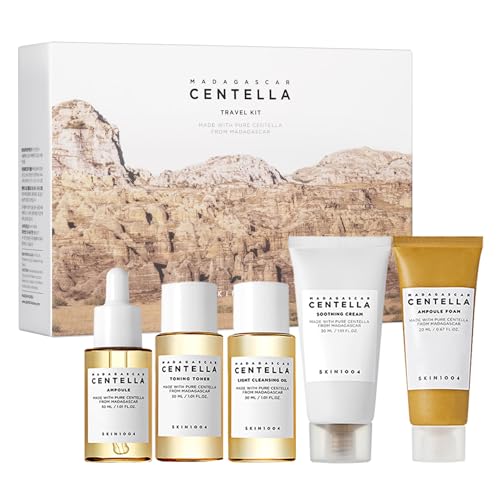
SKIN1004 Centella Travel Kit, Korean Skin Care Set of 5, Travel Size | A Travel Size Skincare Gift Set with Toner, Serum, Oil Cleanser, Face Wash, and Moisturizer, Made with Madagascar Centella
Check price on Amazon
JIYU Toner Pads - Korean Skincare for Dark Spots, Wrinkles & Dull Skin - Hydrating Facial Treatment with Snail Mucin, Niacinamide, Peptides & Centella - 100 Count
Check price on Amazon
BYOMA Milky Toner - Hydrating Face Toner, Moisturizing, Korean Skincare | Gentle on the Skin, All-Day Hydration with Cica & Ceramides, Reduces Redness, Protects and Maintains Skin Barrier
Check price on Amazon
medicube PDRN Pink Peptide Serum with Salmon DNA, Firmer, Even-Looking Skin | Pink Glow Serum with Peptides & Niacinamide for Hydration, Firm-Looking Skin & Uneven Tone Care, Korean Skincare, 1.01 fl.oz.
Check price on Amazon
MEDITHERAPY Retinal Skin Booster Serum for Smooth & Uneven Skin 5.07 fl.oz | Jumbo Face&Body Serum - Fine Lines & Anti-Aging, Pore Refining, Firming for Glass Skin, Gentle Daily Routine, Korean Skincare
Check price on Amazon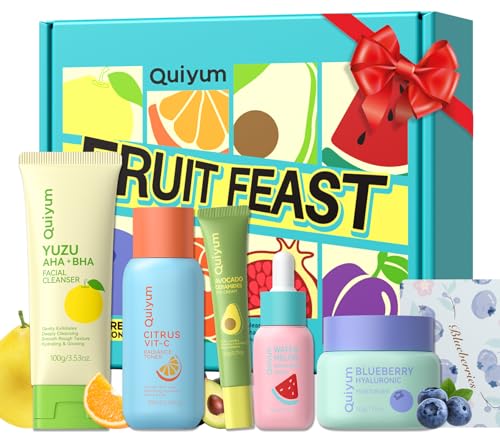
QUIYUM Fruit Skincare Set for Teen Girl, 5 Daily Routine Beauty Skin Care | Exfoliation, Smooth, Clean, Oil Control, Smooth, Hydrate, Glow Up, Facial Skin Care Gift Set for Girls, for All Skin Types
Check price on Amazon