Popular Korean Skincare Brands: The Complete Guide
Korean skincare has reshaped beauty routines worldwide with innovative ingredients, gentle formulations, and a focus on long-term skin health. This guide breaks down the most popular K-beauty brands, what makes them stand out, and how to build a routine that actually works for your skin.
EXPLORE THE BRANDSWhy Korean skincare matters: K-beauty popularized layered hydration, gentle exfoliation, and ingredient transparency long before these became mainstream elsewhere. Understanding the brands behind this movement helps you shop smarter and avoid wasting money on products that do not match your skin's needs. If you are new to this approach, our getting started guide is a good companion read.
What Makes Korean Skincare Brands Different?
Korean skincare brands generally prioritize prevention and maintenance over quick fixes. Instead of harsh treatments, they focus on strengthening the skin barrier, maintaining hydration, and using gentle actives consistently. This philosophy is why so many K-beauty products feel lightweight yet effective, and why they suit a wide range of skin types—including sensitive skin.
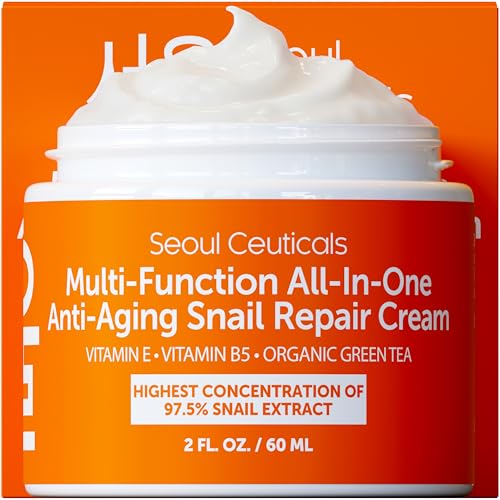
Another defining trait is ingredient innovation. Fermentation, snail mucin, centella asiatica, rice extract, and green tea are staples in Korean formulations. These ingredients are often combined in layered routines rather than single-step products. If you want to go deeper into ingredient-led skincare, our non-toxic skincare guide and vegan skincare overview explain how to evaluate formulations critically.
The famous multi-step routine is often misunderstood. It is not about using ten products every day; it is about layering lightweight hydration and targeted treatments. Many popular Korean brands design products to layer without pilling or overwhelming the skin, which is why the routine works well for both oily and dry skin when adjusted properly.
Most Popular Korean Skincare Brands
The brands below are widely recognized for consistent quality, strong ingredient focus, and broad availability. They span different tiers—from budget-friendly to premium—so you can match your choice to your routine goals and skin type. Use the tier labels as a relative guide, not an absolute measure.
Cosrx
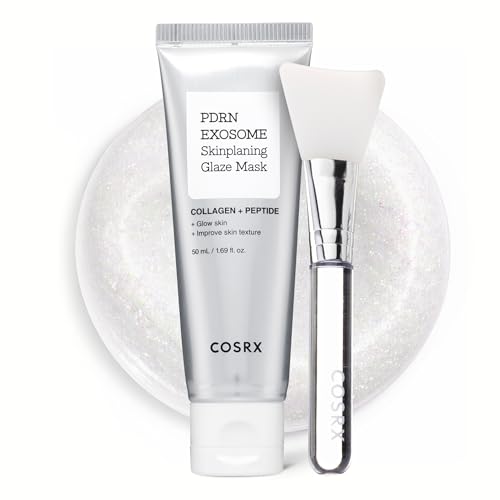
AffordableKnown for the Advanced Snail 96 Mucin Power Essence and the Low pH Good Morning Gel Cleanser. Cosrx built its reputation on simple, effective formulas that target specific concerns like texture, hydration, and gentle exfoliation.
Best for: beginners, sensitive skin, and anyone building a minimal routine. Their snail mucin serum is a common entry point for K-beauty newcomers.
Beauty of Joseon
Mid-rangeThis brand combines traditional Korean herbal ingredients with modern formulations. The Relief Sun rice + probiotic sunscreen and the Dynasty Cream are among its most recognized products. The aesthetic is minimal, and the focus is on barrier support.
Best for: dry and combination skin, and anyone seeking elegant textures with herbal actives.
Laneige
Mid-rangeLaneige is famous for the Water Sleeping Mask and the Cream Skin Toner. The brand focuses on hydration technology, particularly water-based formulations that plump and refresh tired skin. It is widely available internationally.
Best for: dehydrated skin and anyone who wants reliable hydration without heavy creams. Our serum for dry skin guide pairs well with Laneige's layered approach.
Innisfree
Budget-friendly to mid-tierInnisfree built its identity around natural ingredients, especially green tea from Jeju Island. The Green Tea Seed Serum and the volcanic clay masks are long-standing favorites. The brand offers a wide range of products across categories.
Best for: oily and combination skin, and anyone interested in green tea skincare. See our green tea skincare guide for context.
Some By Mi
AffordableKnown for the AHA-BHA-PHA 30 Days Miracle line, Some By Mi targets acne-prone and textured skin. Their toners and creams are designed to gently exfoliate while supporting the barrier, which makes them accessible for sensitive skin when introduced slowly.
Best for: acne-prone skin and uneven texture. Patch testing is essential with any acid-based product.
Missha
Mid-rangeMissha's Time Revolution line, particularly the First Treatment Essence, helped popularize the essence step outside Korea. The brand focuses on fermentation and brightening, with a mature, science-forward approach to anti-aging.
Best for: dull skin and early signs of aging. Pair with a gentle serum to layer actives carefully.
Etude
AffordableEtude is well known for the Soon Jung line, which is formulated for sensitive and reactive skin. The 2x Barrier Intensive Cream and the 5.5 Foam Cleanser are staples for anyone dealing with irritation or compromised barriers.
Best for: sensitive skin and barrier repair. This is a strong starting point if you have reacted badly to stronger actives in the past.
Sulwhasoo
Premium to luxurySulwhasoo represents the luxury end of Korean skincare, blending traditional herbal medicine with sophisticated textures. The First Care Activating Serum and ginseng-based creams are signature products. The brand is known for its sensorial experience and long-term nourishment.
Best for: mature skin and anyone seeking a premium ritual. If you are exploring high-end options, our skincare brand guide offers useful context.
Round Lab
Mid-rangeRound Lab gained attention for the 1025 Dokdo Toner and the Birch Juice Moisturizing Sunscreen. The brand emphasizes mineral-rich ingredients and gentle hydration, with a clean aesthetic and straightforward formulations.
Best for: all skin types, especially those looking for a reliable daily sunscreen. Our mineral sunscreen guide explains why these formulas suit sensitive skin.
Klairs
Affordable to mid-tierKlairs is known for the Supple Preparation Toner and the Freshly Juiced Vitamin Drop. The brand focuses on gentle, fragrance-free formulas that suit sensitive skin, and it is widely recommended for first-time K-beauty users.
Best for: sensitive skin and vitamin C beginners. Introduce vitamin C gradually, especially if you also use exfoliating acids.
Pyunkang Yul
AffordablePyunkang Yul formulates around minimal ingredient lists and traditional herbal ingredients. The Essence Toner and the Moisture Cream are popular for their simplicity and barrier-friendly design, making them a good match for reactive skin.
Best for: very sensitive skin and anyone who prefers short ingredient lists. Compare with our minimalist skincare approach.
Dr. Jart+
PremiumDr. Jart+ is recognized for the Cicapair line, which uses centella asiatica to calm redness and support the barrier. The Ceramidin line is another signature range for dry, compromised skin. The brand sits at a higher tier and focuses on targeted corrective care.
Best for: redness-prone and dry skin. Pair with a gentle cleanser and avoid over-layering strong actives.
Key Ingredients Behind Popular Korean Skincare
Understanding the ingredients used by these brands helps you compare products more objectively. The list below covers the most common actives and supporting ingredients in popular Korean skincare lines.
- Snail Mucin Used for hydration and skin repair. It is a humectant-rich ingredient that helps retain moisture and supports the barrier. Popular in essences and serums.
- Centella Asiatica (Cica) Known for calming redness and soothing irritation. Common in products for sensitive and acne-prone skin.
- Rice Extract Used for brightening and gentle nourishment. Often found in sunscreens, toners, and creams.
- Green Tea An antioxidant-rich ingredient that helps control excess oil and soothe the skin. A core ingredient in many Innisfree products.
- Fermented Ingredients Used to improve absorption and support skin texture. Common in essences and first-treatment products.
- Ceramides Barrier-supporting lipids that help prevent moisture loss. Found in creams designed for dry and compromised skin.
- Hyaluronic Acid A humectant that draws water into the skin. Used across toners, serums, and moisturizers for layered hydration.
- Niacinamide Supports the barrier, helps with oil control, and can improve the look of uneven tone. Common in mid-range and affordable lines.
When choosing between brands, look at where these ingredients sit in the formula and how the product is meant to be used. A snail mucin essence, for example, is typically layered before a heavier cream, while a cica serum may be used after cleansing to calm the skin. If you are building a routine from scratch, our glowing skin product guide offers a practical framework.
How to Build a Korean Skincare Routine
The classic Korean routine moves from the lightest to the heaviest product. You do not need every step—most people do well with four to six products. The goal is consistency and barrier support, not quantity.
- Oil-based cleanser: Removes sunscreen and makeup. Use in the evening only.
- Water-based cleanser: A gentle, low-pH cleanser that does not strip the skin. Suitable for morning and evening.
- Toner: Rebalances the skin and adds a first layer of hydration. Apply with hands or a cotton pad.
- Essence or serum: A treatment step targeting specific concerns such as hydration, texture, or brightening.
- Moisturizer: Seals in hydration and supports the barrier. Choose a gel for oily skin or a cream for dry skin.
- Sunscreen: Essential in the morning. Korean sunscreens are often elegant and comfortable for daily wear.
At night, you can add a treatment step such as a gentle exfoliant or a repair serum. Introduce new products one at a time and give each two to three weeks before adding another. This makes it easier to identify what works and what does not.
Practical tip: If your skin is oily, do not skip moisturizer—choose a lightweight gel instead. If your skin is dry, layer a hydrating toner and an essence before your cream. The routine should adapt to your skin, not the other way around.
Brand Comparison at a Glance
The table below summarizes how the most popular Korean skincare brands compare in terms of positioning, signature focus, and typical skin type suitability. Use it as a quick reference before diving into individual product reviews.
| Brand | Tier | Signature Focus | Best Suited For |
|---|---|---|---|
| Cosrx | Affordable | Snail mucin, gentle exfoliation | Beginners, sensitive skin |
| Beauty of Joseon | Mid-range | Herbal ingredients, barrier support | Dry, combination skin |
| Laneige | Mid-range | Hydration technology | Dehydrated skin |
| Innisfree | Budget-friendly to mid-tier | Green tea, natural ingredients | Oily, combination skin |
| Some By Mi | Affordable | Acid blends for texture | Acne-prone skin |
| Missha | Mid-range | Fermentation, brightening | Dull skin, early aging |
| Etude | Affordable | Sensitive skin barrier care | Reactive, sensitive skin |
| Sulwhasoo | Premium to luxury | Herbal luxury, nourishment | Mature skin |
| Round Lab | Mid-range | Mineral hydration, sunscreen | All skin types |
| Klairs | Affordable to mid-tier | Gentle, fragrance-free formulas | Sensitive skin |
| Pyunkang Yul | Affordable | Minimal ingredient lists | Very sensitive skin |
| Dr. Jart+ | Premium | Cica and ceramide care | Redness-prone, dry skin |
What to Look for Before Buying
Popularity is a useful starting point, but it is not a guarantee that a product suits your skin. Before buying from any Korean skincare brand, check the ingredient list for potential irritants, confirm the product's intended role in a routine, and consider whether the texture matches your skin type.
If you have sensitive skin, patch test new products on a small area for a few days. If you are prone to breakouts, look for non-comedogenic labels and avoid heavy occlusives in leave-on products. For oily skin, gel creams and lightweight essences are usually more comfortable than rich balms. For dry skin, layered hydration and ceramide-rich creams tend to work better.
It also helps to buy from retailers with clear return policies. Korean skincare is widely available through authorized sellers and specialty stores, and choosing a reputable source reduces the risk of counterfeit products. If you want to compare specific product categories, our guides on moisturizer for oily skin and sensitive skin moisturizer offer additional context.
Frequently Asked Questions
Are Korean skincare brands suitable for sensitive skin?
Many Korean brands are formulated with sensitive skin in mind, particularly lines from Etude, Klairs, and Pyunkang Yul. However, sensitivity varies between individuals, so patch testing is always recommended. Fragrance-free and minimal-ingredient formulas are generally safer starting points.
Do I need a ten-step routine to see results?
No. The ten-step routine is a framework, not a requirement. Most people see good results with four to six steps: cleanser, toner or essence, treatment, moisturizer, and sunscreen. Consistency matters more than the number of products.
What is snail mucin and why is it popular?
Snail mucin is a humectant-rich ingredient used for hydration and skin repair. It became popular through brands like Cosrx and is often used in essences and serums. It is generally well tolerated, but anyone with a shellfish allergy should consult a dermatologist before use.
Can I use Korean skincare with Western actives like retinol?
Yes, but introduce them carefully. Korean routines often focus on hydration and barrier support, which pairs well with retinol if you avoid over-exfoliating. Alternate nights and use a gentle moisturizer to reduce irritation. Our guide on over-the-counter retinol explains how to layer actives safely.
Where can I buy authentic Korean skincare products?
Buy from authorized retailers, brand-owned stores, or established beauty retailers with clear sourcing. Avoid marketplace listings with unusually low prices or unclear expiration dates. Checking reviews and return policies helps reduce the risk of counterfeit products.
Final Thoughts
Popular Korean skincare brands have earned their reputation by focusing on gentle, ingredient-led formulations and routines that prioritize long-term skin health. Whether you choose an affordable entry point like Cosrx or a premium line like Sulwhasoo, the key is to match the product to your skin's needs and to introduce new steps gradually.
Use this guide as a starting point, not a rulebook. Read ingredient lists, patch test, and adjust as your skin changes. If you are exploring related topics, our South Korean skincare brands overview and skincare brand guide provide additional context. For questions about this page, you can reach us via the contact page.