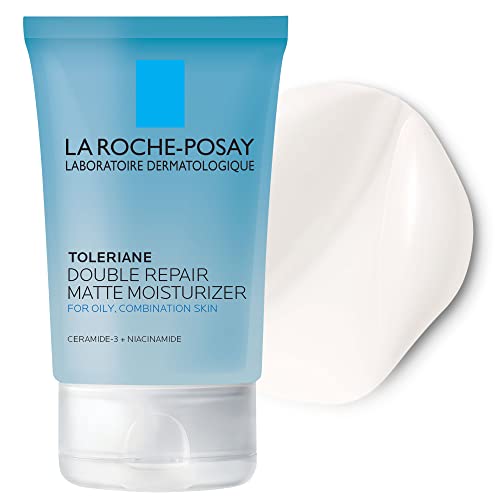
Skin Moisturizer for Oily Skin: The Complete Guide
Learn how to hydrate oily skin without adding grease, clogging pores, or triggering breakouts — and find the right formula for your routine.
SEE RECOMMENDED PRODUCTSQuick answer: Oily skin still needs moisture. The best moisturizer for oily skin is lightweight, oil-free, non-comedogenic, and built around humectants like hyaluronic acid and glycerin. Gel or water-cream textures usually work better than rich creams or heavy balms.
Why Oily Skin Still Needs a Moisturizer
A common mistake among people with oily skin is skipping moisturizer entirely to “dry out” the skin. In reality, when the skin is stripped of water, it can respond by producing more oil to compensate. That can lead to a cycle of shine, tightness, and irritation. A well-chosen moisturizer helps maintain the skin barrier and keeps hydration balanced — without adding excess oil.
If your skin is both oily and sensitive, a gentle formula matters even more. You can explore sensitive skin moisturizer options that combine lightweight hydration with minimal irritation risk.
What to Look for in a Moisturizer for Oily Skin
1. Gel or Water-Based Texture
Gel moisturizers and water creams absorb quickly and feel light on the skin. They typically contain humectants that draw water into the skin without heavy occlusive ingredients. This makes them a practical choice for daytime use, especially under makeup or sunscreen.
2. Non-Comedogenic Formula
Non-comedogenic means the product is formulated to reduce the likelihood of clogging pores. For oily and acne-prone skin, this is one of the most important labels to check. You can compare options in our guide to non-comedogenic moisturizer for oily skin.
3. Oil-Free and Fragrance-Free
Oil-free formulas reduce the risk of excess shine and congestion. Fragrance-free options are often better for reactive skin, since fragrance can trigger irritation in some people. If you prefer minimal ingredient lists, see our minimalist skincare approach.
4. Key Ingredients That Help
- Hyaluronic acid: attracts water and supports hydration without heaviness.
- Glycerin: a classic humectant that helps keep skin soft and balanced.
- Niacinamide: often used to support the skin barrier and improve the look of enlarged pores.
- Salicylic acid (in some formulas): can help with congestion, but may be better in a targeted treatment rather than a daily moisturizer.
- Green tea or aloe: soothing ingredients that can calm the look of redness.
5. What to Avoid
- Heavy oils like coconut oil or mineral oil in high concentrations, which can feel greasy and may clog pores for some people.
- Thick balms and butters that sit on top of the skin.
- Strong fragrances or essential oils if your skin is easily irritated.
Moisturizer Types Compared
| Type | Texture | Best For | Things to Know |
|---|---|---|---|
| Gel moisturizer | Light, cooling, fast-absorbing | Oily skin, daytime, humid weather | Usually oil-free and non-comedogenic; often entry-level to mid-range |
| Water cream | Thin cream that turns watery | Combination to oily skin | Hydrating without heavy residue; mid-range to premium options exist |
| Lotion | Lightweight liquid-cream | Normal to slightly oily skin | Check labels for non-comedogenic claims |
| Rich cream | Thick, occlusive | Dry skin, nighttime for very dry types | Usually not ideal for oily skin; can feel heavy |
| Oil-based moisturizer | Oily, emollient | Dry to very dry skin | Generally not recommended for oily skin unless advised by a professional |
How to Apply Moisturizer for Oily Skin
- Cleanse gently. Use a mild cleanser that does not leave the skin tight or squeaky. Harsh cleansing can trigger more oil production.
- Apply to damp skin. Lightly pat the skin dry, then apply moisturizer while it is still slightly damp. This helps lock in hydration.
- Use a small amount. Start with a pea-sized amount and add more only if the skin feels tight. More product does not always mean better hydration.
- Layer with sunscreen in the morning. Choose a lightweight sunscreen or a moisturizer with SPF. For oily skin, look for gel-based or non-greasy formulas like a sunscreen lotion for oily skin.
- Adjust at night. If you use active ingredients like retinol, apply moisturizer after to support the skin barrier.
Morning vs. Night Routine for Oily Skin
Morning
- Gentle cleanser or just water if your skin is not very oily in the morning.
- Lightweight gel moisturizer or a moisturizer with SPF.
- Sunscreen (if not already included).
Night
- Cleanse to remove sunscreen, makeup, and excess oil.
- Optional treatment (e.g., salicylic acid or niacinamide serum).
- Gel or water-cream moisturizer to support overnight repair.
Common Mistakes to Avoid
- Over-cleansing: Washing too often or using harsh cleansers can strip the skin and increase oiliness.
- Skipping moisturizer: As mentioned, dehydration can make oiliness worse.
- Using heavy night creams: What works for dry skin may feel greasy and congesting on oily skin.
- Ignoring sunscreen: Sun damage can worsen the look of pores and uneven tone. Choose a non-greasy option such as a non-greasy sunscreen for face.
Related Guides for Oily Skin
If you are building a complete routine, these guides can help you choose complementary products:
- Skin products for oily skin — a broader overview of cleansers, treatments, and sun care.
- Matte setting spray for oily skin — for makeup days when shine control matters.
- Setting powder for oily skin — to set makeup without adding heavy texture.
- Skin tint for oily skin — light coverage that does not feel heavy.
Frequently Asked Questions
Ready to Find Your Match?
Browse our recommended lightweight moisturizers formulated for oily and combination skin. Always patch-test new products and introduce one at a time.
VIEW PRODUCTS