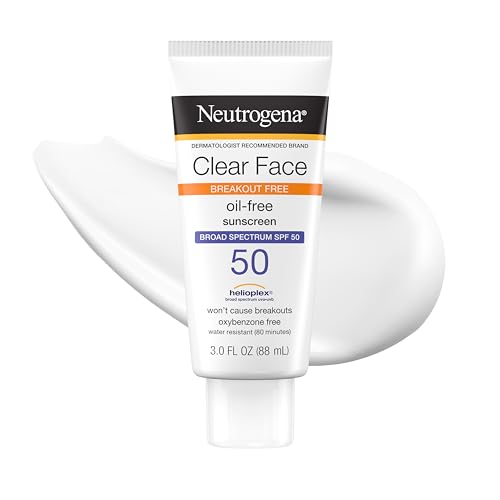
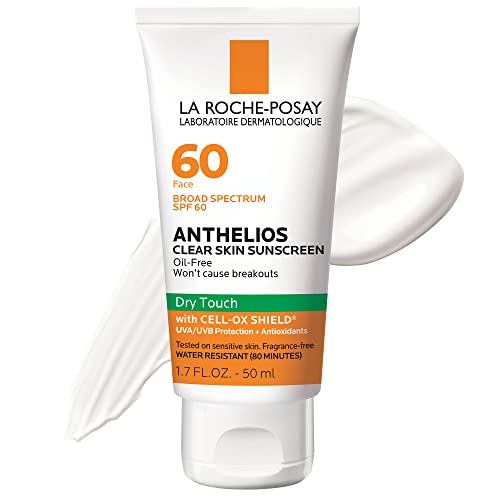
Sunscreen Lotion for Oily Skin: Lightweight Protection Without the Shine
Find out how to choose a sunscreen lotion that shields your skin from UV damage while keeping excess oil, clogged pores, and midday shine under control.
SHOP RECOMMENDED SUNSCREENSWhy this guide matters: Oily skin deserves sun protection just as much as any other skin type — perhaps even more, since UV exposure can deepen post-acne marks and trigger further oil production. The challenge is finding a lotion that protects reliably without leaving a greasy film. This guide walks you through the filters, textures, and labels that matter, so you can choose with confidence.
Why Oily Skin Needs Its Own Sunscreen
Sunscreen is non-negotiable for every skin type, but oily skin faces a unique dilemma. Heavy, creamy formulas can feel suffocating, slide off during the day, and — in the worst cases — contribute to clogged pores and breakouts. That leads many people with oily skin to skip sunscreen altogether, which is a mistake. UV radiation breaks down collagen, worsens hyperpigmentation from acne, and can actually stimulate sebum production as the skin tries to protect itself.
The solution is not to avoid sunscreen but to choose a sunscreen lotion for oily skin that is lightweight, oil-free, and formulated with shine control in mind. Modern cosmetic chemistry has made this easier than ever: fluid lotions, gel-creams, and mattifying emulsions now deliver broad-spectrum protection with a finish that feels comfortable on oily skin. If you prefer a mineral-only approach, a finely milled mineral sunscreen can also work well when chosen carefully.
Key Criteria When Choosing a Sunscreen for Oily Skin
Not every SPF product is created equal, and the label matters more for oily skin than for most other types. Focus on these criteria before you buy:
- Non-comedogenic: This label indicates the formula has been tested not to clog pores. It is essential for oily and acne-prone skin.
- Oil-free and lightweight: Look for lotions, fluids, or gel-creams rather than rich creams. Water-based formulas absorb faster and leave less residue.
- Broad-spectrum SPF 30 or higher: Protection against both UVA and UVB is the baseline. SPF 50 is a sensible upgrade if you are outdoors for long periods or prone to dark spots.
- Mattifying or shine-controlling finish: Ingredients like silica, zinc oxide in small amounts, or niacinamide can help reduce the greasy look as the day progresses.
- Fragrance-free if possible: Fragrance is a common irritant, and oily skin is often also sensitive or acne-prone.
Quick Label Checklist
- Broad-spectrum SPF 30–50
- Non-comedogenic
- Oil-free / water-based
- Mattifying or satin finish
- Fragrance-free (preferred)
- Dermatologist-tested (a useful bonus)
Chemical vs. Mineral Filters for Oily Skin
Both chemical and mineral sunscreens can work for oily skin — the key is the overall formulation, not the filter type alone. Chemical filters tend to feel lighter and spread more easily in fluid lotions, which is why many mattifying sunscreens for oily skin use them. Mineral filters such as zinc oxide and titanium dioxide sit on the surface and can feel heavier, but modern micronized versions are far more cosmetically elegant than older formulas. A mineral option may suit you if you have reactive skin; a non-greasy sunscreen for face using either filter type is a reasonable choice as long as the texture agrees with your skin.
If you are specifically looking for a hybrid approach, the super serum skin tint SPF 40 style of product blends skincare, light coverage, and sun protection — a convenient option for oily skin types who want a streamlined morning routine.
How to Apply Sunscreen on Oily Skin
Application technique matters as much as the product. Follow these steps for the best result:
- Start with a clean, moisturized base. Use a lightweight, non-comedogenic moisturizer — for example a non-comedogenic moisturizer for oily skin — and let it absorb fully.
- Apply the sunscreen generously. Use about two finger-lengths for the face and neck. Under-applying reduces protection dramatically.
- Wait a few minutes before makeup. Letting the lotion set prevents pilling and keeps your base looking smooth.
- Reapply every two hours outdoors. A mattifying powder SPF or a sunscreen stick makes touch-ups easy without disturbing makeup.
- Double cleanse in the evening. Use a micellar water or a gentle cleansing oil followed by your regular cleanser to remove sunscreen completely.
Building a Full Oily-Skin Routine Around Your Sunscreen
Sunscreen performs best as part of a coherent routine. For oily skin, the ideal sequence is: gentle cleanser, lightweight toner (optional), a targeted serum such as serums with niacinamide, a light moisturizer, and finally sunscreen as the last step before makeup. In the evening, remove sunscreen thoroughly and consider a skin serum only if your skin needs extra hydration — oily skin can still be dehydrated.
If you also struggle with shine around the T-zone, pairing your sunscreen with a setting powder for oily skin can keep the finish matte without over-drying. And if you wear makeup, a matte setting spray for oily skin can lock everything in place while maintaining sun protection.
Product Tier Guide: What to Expect at Each Level
Sunscreens for oily skin span several quality tiers. The table below outlines what each tier typically offers so you can match your choice to your needs. Note that prices are intentionally omitted; the focus is on formulation and performance.
| Tier | Typical Characteristics | Best For |
|---|---|---|
| Entry-level / Budget-friendly | Basic broad-spectrum protection, simpler textures, may require more careful layering to avoid shine. | Daily commuters and first-time sunscreen users |
| Mid-range / Mid-tier | Better cosmetic elegance, mattifying ingredients, improved water resistance and fragrance-free options. | Most oily skin types and everyday makeup wearers |
| Premium / High-end | Advanced filters, skincare benefits such as niacinamide or antioxidants, elegant satin-matte finish. | Those wanting skincare-makeup hybrid protection |
| Luxury / Top-tier | Cutting-edge filter technology, silky texture, minimal white cast, premium packaging and additional anti-aging actives. | Oily skin types seeking the most refined experience |
Common Mistakes to Avoid
- Using a body sunscreen on the face. Body lotions are usually heavier and more emollient, which can overwhelm oily facial skin.
- Relying on makeup SPF alone. The amount of foundation needed to reach the labeled SPF is far more than most people apply.
- Skipping sunscreen on cloudy days. Up to 80% of UV rays pass through clouds, so daily protection is still essential.
- Not reapplying. Even the best formula loses effectiveness after a couple of hours of sun exposure or sweating.
- Neglecting the neck and ears. These areas are common sites of sun damage and are easy to miss.
Frequently Asked Questions
What type of sunscreen is best for oily skin?
The best sunscreen for oily skin is a lightweight, oil-free lotion or gel labeled non-comedogenic and ideally mattifying. Chemical filters in a fluid lotion, or finely milled mineral formulas, tend to feel lighter than heavy creams and help control shine throughout the day.
Does sunscreen make oily skin worse?
Poorly formulated sunscreen can feel greasy and contribute to clogged pores, but the right lightweight, non-comedogenic formula actually helps oily skin by protecting it from UV damage that can worsen post-acne marks and trigger excess oil production. Skipping SPF is far more damaging than wearing a suitable one.
How often should I reapply sunscreen if I have oily skin?
Reapply every two hours during sun exposure, or after sweating and swimming. For oily skin, a mattifying powder SPF or a lightweight stick can make midday touch-ups easier without adding extra shine or disturbing makeup.
Can I use sunscreen lotion for oily skin under makeup?
Yes. Choose a lightweight, fast-absorbing lotion or gel formula and allow it to set for a few minutes before applying primer and foundation. Mattifying sunscreens work especially well as a base for oily skin because they reduce shine and help makeup last longer.
What SPF should I look for in a sunscreen for oily skin?
Dermatologists generally recommend broad-spectrum SPF 30 or higher for daily use. SPF 50 is a good choice if you spend extended time outdoors or are prone to hyperpigmentation, as oily skin types often are.
Whichever formula you choose, consistency is what delivers results. A well-chosen sunscreen lotion for oily skin protects against premature aging, dark spots, and sunburn while allowing your skin to stay comfortable and shine-free. Pair it with a thoughtful cleansing and moisturizing routine, and your skin will thank you for years to come. For more skin-specific guidance, explore our guides on skin products for oily skin and skin moisturizer for oily skin.