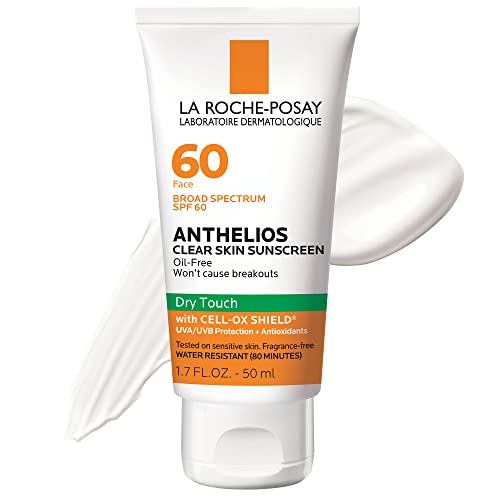
Sun Cream for Dry Skin: Hydrating Protection That Actually Works
Dry skin needs more than SPF. Learn how to choose a sunscreen that protects against UV damage while replenishing moisture, so your skin stays comfortable and nourished all day.
SEE RECOMMENDED PRODUCTSWhy this guide matters: If you have dry skin, the wrong sunscreen can leave you tight, flaky, and reluctant to wear protection at all. This guide explains exactly what to look for in a sun cream for dry skin, which ingredients to prioritize, and how to build a routine that keeps your skin hydrated while defending it from UVA and UVB damage.
Why Dry Skin Needs a Different Sunscreen
Dry skin has a compromised moisture barrier, which means it loses water more easily and is often more reactive to environmental stressors. The sun is one of those stressors. UV radiation not only accelerates photoaging but can also worsen transepidermal water loss, leaving dry skin even more dehydrated and irritated after sun exposure.
Many standard sunscreens are formulated for oily or combination skin. They lean on alcohol, mattifying powders, and lightweight gels that feel clean but can be deeply uncomfortable for anyone with dry or dehydrated skin. A dedicated sun cream for dry skin flips that approach: it pairs UV filters with emollients, humectants, and barrier-supporting ingredients so protection and hydration work together.
The goal is not just to avoid sunburn. It is to keep your skin barrier resilient while preventing the cumulative damage that shows up as fine lines, uneven tone, and loss of elasticity. If your current routine already includes a natural moisturizer for dry skin, choosing a sunscreen that complements it makes the whole routine more effective.
Key Ingredients to Look for in a Sun Cream for Dry Skin
Reading the ingredient list is the fastest way to tell whether a sunscreen will support dry skin or fight against it. The best formulas combine reliable broad-spectrum protection with ingredients that reinforce the skin barrier and hold moisture in place.
Humectants
Glycerin, hyaluronic acid, and panthenol draw water into the upper layers of the skin. They keep dry skin plump and comfortable throughout the day, even in air-conditioned or heated environments.
Emollients
Squalane, shea butter, jojoba oil, and fatty alcohols soften rough patches and improve spreadability. They make the sunscreen feel like a moisturizer rather than a film sitting on top of the skin.
Ceramides
Ceramides are natural lipids that hold the skin barrier together. Sunscreens that include them help repair and maintain the barrier, which is especially valuable for dry and sensitive skin.
Soothing Botanicals
Aloe vera, green tea, oat extract, and allantoin calm redness and reduce the likelihood of irritation from UV exposure or from the filters themselves.
Niacinamide
Niacinamide supports the barrier, improves tone, and helps regulate oil without drying the skin. It pairs well with both mineral and chemical UV filters.
Antioxidants
Vitamin C and vitamin E help neutralize free radicals generated by UV exposure. They complement sunscreen rather than replace it, adding a layer of defense against photoaging.
Equally important is what to avoid. High concentrations of denatured alcohol, strong fragrance, and drying citrus extracts can undermine even a well-formulated sunscreen. If your skin is reactive, a mineral sunscreen with zinc oxide or titanium dioxide is often the gentler route.
Types of Sun Cream for Dry Skin
Sunscreen textures matter as much as the filters inside them. For dry skin, the ideal texture is one that feels cushioning, spreads easily, and does not leave a tight or powdery finish.
Cream and Lotion Formulas
These are the most reliable choice for dry skin. They typically include emollients and occlusives that seal in moisture while delivering broad-spectrum protection. A rich day cream with SPF can even replace your morning moisturizer if it is hydrating enough.
Hydrating Mineral Sunscreens
Mineral formulas built around zinc oxide and titanium dioxide are naturally gentle. When paired with squalane, shea butter, or ceramides, they offer excellent protection without irritation. They can leave a slight cast, so tinted versions are a practical option for many skin tones.
Chemical Filters in Moisturizing Bases
Modern chemical filters feel lightweight and spread beautifully. For dry skin, the key is choosing a version suspended in a moisturizing base rather than an alcohol-based gel. These are ideal under makeup because they absorb quickly without pilling.
Sunscreen Serums and Fluids
These are the lightest option. They work well for layering over a dedicated moisturizer, but on their own they may not provide enough hydration for very dry skin. They are best used as part of a layered routine.
Tinted Sun Creams
Tinted formulas often contain iron oxides, which add protection against visible light and can help blur imperfections. For dry skin, they work best when the base is creamy rather than matte.
How to Apply Sun Cream for Dry Skin
Application technique makes a measurable difference in both protection and comfort. Follow these steps to get the most out of your sunscreen without triggering dryness or flaking.
- Start with a hydrated base. Cleanse gently, then apply a hydrating toner or serum while your skin is still slightly damp. This locks in water before heavier products go on.
- Use a moisturizer if needed. If your sunscreen is lightweight, apply a moisturizer first and let it absorb for two to three minutes. A product like a skin serum for dry skin can add an extra layer of hydration before your cream.
- Apply enough sunscreen. Use roughly two finger-lengths for the face and neck. Most people apply far less than the amount used in lab testing, which means real-world protection is lower than the label suggests.
- Don't forget the edges. Ears, hairline, jawline, and the back of the neck are commonly missed and are among the first places to show sun damage.
- Let it set before makeup. Wait a few minutes so the sunscreen forms an even film. This prevents pilling and keeps your foundation from sliding.
- Reapply every two hours outdoors. A hydrating mist followed by a cream sunscreen is the most comfortable way to reapply on dry skin without disturbing makeup.
If you wear makeup daily, look for a sunscreen that layers well under foundation. A non-greasy sunscreen for face can still be hydrating without causing your base to break down by midday.
Building a Complete Routine Around Your Sun Cream
Sunscreen is the final step of a morning skincare routine, but the steps before it determine how comfortable your skin feels by the end of the day. A well-structured routine for dry skin looks something like this:
Gentle Cleanse
Use a creamy or oil-based cleanser that removes impurities without stripping. A oil face cleanser is a good option for dry skin because it dissolves sunscreen and makeup while leaving the barrier intact.
Hydrating Toner or Essence
Apply a layer of hydration to damp skin. Ingredients like glycerin, beta-glucan, and hyaluronic acid prepare the skin to hold onto moisture from the products that follow.
Treatment Serum
A serum with niacinamide, peptides, or antioxidants addresses specific concerns. A peptide serum supports barrier repair and elasticity, which is especially useful for dry, mature skin.
Moisturizer
Choose a cream or lotion with ceramides and squalane. If your sunscreen is rich enough, you may be able to skip this step, but many people with dry skin benefit from both.
Sunscreen
Apply a generous layer of broad-spectrum SPF 30 or higher. This is the non-negotiable step that protects everything you have done before it.
In the evening, double cleanse to remove sunscreen thoroughly, then follow with a nourishing night routine. A skin oil for dry skin can seal in moisture overnight and help your skin recover from daily environmental exposure.
Common Mistakes to Avoid
Skipping Sunscreen on Cloudy Days
Up to 80 percent of UV rays pass through clouds. Daily application is the only reliable way to prevent cumulative damage, regardless of the weather forecast.
Using Too Little Product
Under-application is the most common reason people burn despite wearing sunscreen. Measure your dose deliberately and do not stretch a small amount across your whole face.
Relying on SPF in Makeup
Foundation with SPF is a nice bonus but rarely provides enough protection on its own. You would need to apply far more than a typical makeup layer to reach the labeled SPF.
Choosing a Matte Formula for Dry Skin
Matte sunscreens absorb oil and can emphasize flakes and tightness. Unless you have a specific reason to use one, a hydrating cream formula will be far more comfortable.
Ignoring Expiration Dates
Sunscreen filters degrade over time. Check the expiration date and replace products that have been open for more than a year, especially if they have been exposed to heat.
Frequently Asked Questions
What SPF is best for dry skin?
Broad-spectrum SPF 30 or higher is the standard recommendation for daily use. For dry skin, the formula matters as much as the number: look for one that includes ceramides, hyaluronic acid, or glycerin so protection does not dry you out.
Can sunscreen make dry skin worse?
Yes, if the formula is alcohol-heavy, mattifying, or lacking emollients. Those types of sunscreens can leave dry skin tight and flaky. A moisturizing sun cream applied over a hydrated base prevents this problem.
Do I still need moisturizer if my sunscreen is hydrating?
It depends on the formula and your skin. A rich sunscreen may replace your morning moisturizer, while a lighter one works best layered over a moisturizer. Pay attention to how your skin feels a few hours after application.
How often should I reapply?
Every two hours when outdoors, and after swimming or heavy sweating. A hydrating mist followed by a cream sunscreen is the most comfortable way to reapply on dry skin.
Mineral or chemical sunscreen for dry skin?
Both can work well. Mineral formulas are gentle and often paired with soothing ingredients, while chemical filters tend to feel lighter and more spreadable. Choose based on your sensitivity and texture preference.
Should I use a separate eye cream with SPF?
The skin around the eyes is thin and prone to dryness and fine lines. Applying your regular hydrating sunscreen gently around the orbital bone is usually sufficient, but a dedicated eye cream with SPF can add extra comfort and protection.
Final Thoughts
A good sun cream for dry skin does two jobs at once: it protects against UV damage and it supports the skin barrier instead of undermining it. By choosing a formula with humectants, emollients, and ceramides, applying it generously, and building a routine that keeps your skin hydrated from cleanse to sunscreen, you can wear daily protection comfortably all year round. Ready to explore specific products? Browse our recommendations below and find a formula that fits your skin and lifestyle.