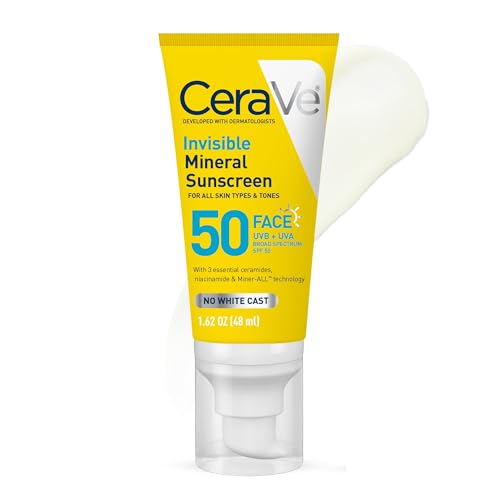
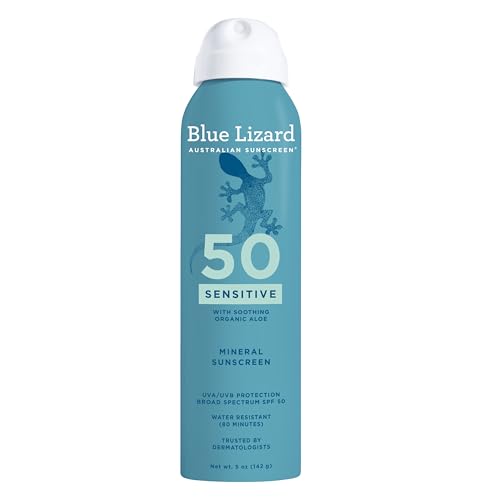
What Is Mineral Sunscreen?
Mineral sunscreen — also called physical sunscreen or mineral sun screen — is a formula that relies on inorganic UV filters, primarily zinc oxide and titanium dioxide, to protect the skin. Unlike chemical filters that absorb UV radiation and convert it into heat, mineral filters form a protective layer on the skin's surface that reflects and scatters UVA and UVB rays.
Because these filters are not designed to penetrate the skin, mineral sunscreen is often recommended for people with sensitive skin, rosacea, eczema, or skin that has recently undergone cosmetic procedures. If you are building a gentler routine overall, you may want to pair your sunscreen with a minimalist skincare approach and a sensitive skin moisturizer to reduce the number of potentially irritating products.
How Zinc Oxide and Titanium Dioxide Work
Both filters are broad-spectrum by nature, but they differ in coverage and finish:
- Zinc oxide covers the full UVA and UVB spectrum and is the go-to filter for broad-spectrum protection. It is also the filter most often used in formulas for sensitive or acne-prone skin.
- Titanium dioxide is excellent at UVB and short-wave UVA protection and often gives a lighter, less greasy finish. It is frequently combined with zinc oxide for balanced coverage.
Most modern mineral sunscreens combine both filters in different ratios. If you want a dedicated zinc-based option, look for a mineral sunscreen formula that lists zinc oxide as the first active ingredient, while formulas built around titanium dioxide are often a good fit for non-greasy sunscreen for face use.
Mineral vs Chemical Sunscreen: Key Differences
| Feature | Mineral Sunscreen | Chemical Sunscreen |
|---|---|---|
| How it works | Sits on the skin and reflects/scatters UV rays | Absorbs into the skin and converts UV into heat |
| Best for | Sensitive skin, rosacea, post-procedure skin, children | Those who prefer a lightweight, invisible finish |
| Finish | Can leave a white cast; tinted options reduce this | Usually transparent, easy to layer under makeup |
| Reapplication | Every 2 hours; sticks and powders help over makeup | Every 2 hours; some formulas are water-resistant |
| Environmental note | Often formulated as reef-friendly | Some filters are restricted in certain regions |
Neither type is universally better. The best sunscreen is the one you will actually wear consistently. Many people keep both a mineral formula for sensitive days and a chemical formula for lightweight everyday wear.
Choosing the Right Mineral Sunscreen for Your Skin Type
Oily and Acne-Prone Skin
Look for lightweight gels, fluids, or tinted mineral formulas labeled non-comedogenic. A sunscreen lotion for oily skin that uses micronized zinc oxide tends to feel less heavy. Avoid thick creams with added oils if you are prone to breakouts.
Dry and Dehydrated Skin
Cream-based mineral sunscreens with glycerin or ceramides help lock in moisture. Pair them with a sun cream for dry skin that includes hydrating ingredients, and consider layering over a skin serum for dry skin to prevent flaking.
Sensitive and Reactive Skin
Choose fragrance-free, dye-free formulas with as few ingredients as possible. Mineral sunscreen is often the safest starting point, especially when combined with a non-toxic skincare routine. Patch-test any new product on the inner forearm before applying it to the face.
Deeper Skin Tones
White cast is the most common complaint about mineral sunscreen on deeper skin tones. Tinted mineral formulas, micronized particles, and sheer fluids help minimize the effect. A sun screen for black skin that is tinted or formulated with transparent zinc oxide will blend more seamlessly.
How to Apply Mineral Sunscreen Correctly
- Use enough product. A common guideline is about two finger-lengths for the face and neck, or roughly a quarter teaspoon for the face alone.
- Apply as the last step of skincare. After moisturizer, before makeup. If you use a super serum skin tint SPF 40, check whether it provides enough coverage or needs a dedicated sunscreen underneath.
- Wait briefly before makeup. Give mineral formulas a minute or two to set so they do not pill under foundation.
- Reapply every two hours. Use a mineral stick, powder, or tinted compact over makeup for touch-ups during the day.
- Do not forget overlooked areas. Ears, neck, hairline, and the back of the hands are common missed spots.
For a complete daily routine, pair your mineral sunscreen with a gentle face wash in the morning and a natural moisturiser at night to support the skin barrier.
Mineral Sunscreen and Makeup
Mineral sunscreen can work beautifully under makeup when you choose the right texture. Tinted mineral formulas double as a light base, while fluid or gel versions layer well under mineral foundation. If you prefer a more natural look, a tinted mineral sunscreen plus a pink blusher and smudge-proof mascara creates a polished five-minute routine.
A common pitfall is pilling — this usually happens when a thick mineral sunscreen is layered over a water-based serum or under a silicone-heavy primer. Let each layer settle before applying the next.
Reef-Safe and Environmental Considerations
Mineral filters are generally considered more reef-friendly than certain chemical filters that have been restricted in some coastal regions. If environmental impact matters to you, look for formulas labeled reef-safe and pair them with broader eco-friendly beauty choices such as refillable packaging and cruelty-free beauty certifications.
Common Mistakes to Avoid
- Using too little product. Under-application is the most common reason sunscreen fails.
- Skipping reapplication. Mineral sunscreen does not last all day, especially after sweating or swimming.
- Relying on SPF in makeup alone. Most makeup with SPF does not provide enough coverage on its own.
- Ignoring the white cast problem. If a formula looks ashy, try a tinted version or a micronized formula.
- Forgetting the body. Use a dedicated body sunscreen for arms, legs, and shoulders, and follow up with after sun lotion if you have been in the sun for long periods.
Frequently Asked Questions
Is mineral sunscreen better than chemical sunscreen?
Neither is inherently better; they suit different needs. Mineral sunscreens sit on top of the skin and are often preferred for sensitive skin, while chemical sunscreens absorb into the skin and tend to feel lighter. Many people use both depending on the situation.
Does mineral sunscreen leave a white cast?
Some mineral formulas can leave a white cast, especially on deeper skin tones. Modern tinted and micronized formulas reduce this effect, and many brands now offer shades designed to blend more seamlessly.
How often should I reapply mineral sunscreen?
Reapply every two hours during sun exposure, and more often after swimming, sweating, or towel-drying. Mineral sunscreens can be reapplied over makeup using powder or stick formats.
Can mineral sunscreen be used on babies and children?
Mineral sunscreens are often recommended for children because they sit on the skin's surface and are less likely to irritate. However, always check the label for age guidance and consult a pediatrician for infants under six months.
Can I use mineral sunscreen if I have acne?
Yes — look for non-comedogenic, oil-free, and fragrance-free mineral formulas. Zinc oxide has mild soothing properties, which is why it is often used in products for acne-prone skin. If you are also using actives, introduce them gradually alongside your sunscreen.