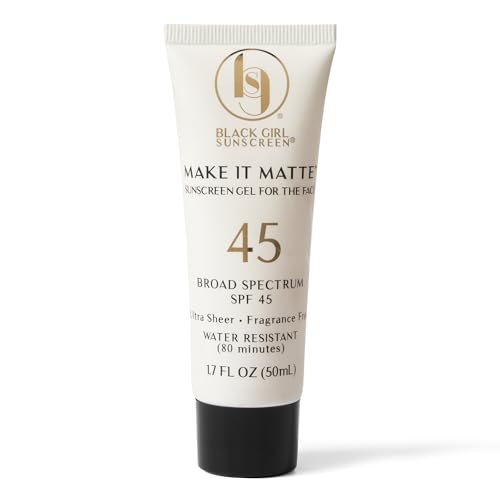
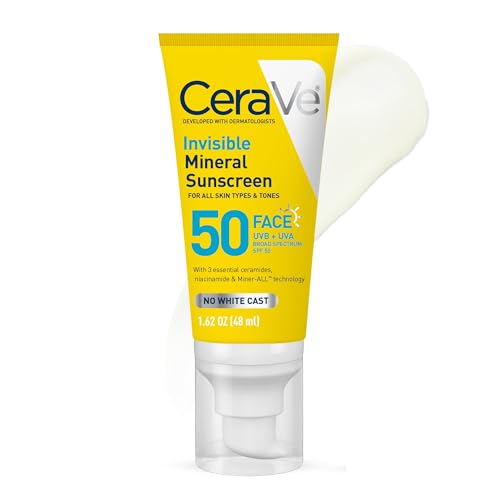
Sunscreen for Black Skin: The Complete Protection Guide
Learn how to choose the right SPF for melanin-rich skin — without white cast, without compromise, and with full confidence.
START YOUR SUN PROTECTION JOURNEYWhy This Guide Matters: If you have black or dark skin, you may have been told that you don't need sunscreen. That's a dangerous myth. Melanin does provide some natural UV protection, but it is not enough to prevent hyperpigmentation, premature aging, or skin cancer. This guide will help you understand exactly what to look for in a sunscreen so you can protect your skin without the dreaded white cast.
Do People With Black Skin Really Need Sunscreen?
Yes — without question. While higher melanin levels offer a natural sun protection factor (roughly equivalent to SPF 13 in the most pigmented skin), that is far below the SPF 30 or higher recommended by dermatologists. More importantly, melanin does not protect against the full spectrum of UV damage.
Black skin is particularly vulnerable to post-inflammatory hyperpigmentation (PIH) and melasma, both of which are triggered and worsened by sun exposure. If you are using brightening serums, retinol, or treating dark spots, sunscreen is not optional — it is the single most important product in your routine. Without daily SPF, even the best serums and peptide treatments will struggle to deliver results.
Additionally, while skin cancer rates are lower in black populations, studies consistently show that when skin cancer does occur in black patients, it is often diagnosed at a later, more dangerous stage. Sun protection is a matter of both cosmetic and medical health.
What to Look for in a Sunscreen for Black Skin
Not all sunscreens are created equal — especially for deeper skin tones. Here are the four criteria that matter most when shopping for SPF:
1. No White Cast
This is the number one concern for black skin. Traditional mineral sunscreens with high concentrations of zinc oxide or titanium dioxide can leave an ashy, ghostly residue. Look for tinted mineral formulas or chemical sunscreens with clear finishes. Many modern brands now specifically test their formulas on darker skin tones.
2. Broad-Spectrum SPF 30+
Broad-spectrum means the product protects against both UVA (aging) and UVB (burning) rays. For daily use, SPF 30 is the minimum; SPF 50 is ideal for extended outdoor exposure. UVA protection is especially important for preventing hyperpigmentation and premature signs of aging.
3. Non-Comedogenic Formula
If you have oily or acne-prone skin (common concerns in black skin care), choose a sunscreen labeled non-comedogenic or oil-free. Gel-based and lightweight lotion formulas are excellent choices. A great option is a sunscreen lotion for oily skin that hydrates without clogging pores.
4. Added Skin Benefits
Look for sunscreens that include ingredients like niacinamide (brightening and barrier support), hyaluronic acid (hydration), or vitamin C (antioxidant protection). These multitasking formulas simplify your routine and directly address hyperpigmentation concerns common in melanin-rich skin.
Mineral vs. Chemical Sunscreen: Which Is Better for Black Skin?
Both types can work well — the key is the specific formula, not the category. Here is a direct comparison to help you decide:
| Feature | Mineral Sunscreen | Chemical Sunscreen |
|---|---|---|
| White Cast Risk | Higher — but tinted versions solve this | Low to none in modern formulas |
| Skin Sensitivity | Gentle, ideal for sensitive skin | Some filters may irritate sensitive skin |
| Finish | Tinted versions offer matte, makeup-friendly finish | Often lightweight and invisible |
| Best For | Those who want a primer-like finish or have reactive skin | Those who want invisible protection for daily wear |
| Recommended Pick | Mineral sun screen with tint | Non-greasy chemical formulas |
Many dermatologists recommend tinted mineral sunscreens for black skin because the iron oxides in the tint not only eliminate white cast but also provide additional protection against visible light — a wavelength that can worsen melasma and hyperpigmentation. If you prefer an invisible finish, a modern chemical formula such as a non-greasy sunscreen for face is an excellent alternative.
How to Apply Sunscreen Correctly on Black Skin
Choosing the right product is only half the battle — application matters just as much. Follow these essential steps for maximum protection:
- Use enough product. Most people apply only a quarter of the recommended amount. Use approximately two finger-lengths of sunscreen for your face and neck. Under-application dramatically reduces the actual SPF you receive.
- Apply as the last step in your skincare routine. Sunscreen goes after moisturizer and before makeup. If you use a skin serum for dry skin or a moisturizer, wait 1–2 minutes for absorption before applying SPF.
- Don't forget overlooked areas. Ears, neck, hairline, and the backs of your hands are commonly missed. These areas are highly exposed and prone to sun damage and dark spots.
- Reapply every two hours. If you are outdoors or near windows for extended periods, reapplication is non-negotiable. A setting powder with SPF or a sunscreen mist makes reapplication over makeup easy.
- Make it a daily habit, rain or shine. UV rays penetrate clouds and glass. Even on cloudy days or when working indoors, up to 80% of UVA rays can reach your skin. Daily use is the only way to prevent cumulative damage.
5 Common Sunscreen Mistakes to Avoid
Even well-intentioned skincare routines can fall short when it comes to sun protection. Here are the most common mistakes people with black skin make — and how to fix them:
- Mistake #1: Skipping sunscreen because "I don't burn." — Burning is not the only sign of UV damage. Hyperpigmentation, uneven skin tone, and fine lines are all caused by sun exposure, even without visible redness. Fix: Reframe sunscreen as an anti-aging and brightening product, not just a burn-prevention tool.
- Mistake #2: Using too little product. — As mentioned above, under-application is the most common reason sunscreen fails. Fix: Pre-measure your dose or use a pump that dispenses the correct amount.
- Mistake #3: Relying on makeup with SPF alone. — The SPF in foundation or powder is rarely sufficient because you would need to apply a thick, even layer to achieve the labeled protection. Fix: Always apply a dedicated sunscreen underneath your makeup.
- Mistake #4: Not reapplying throughout the day. — Sunscreen degrades with sweat, oil, and time. Fix: Keep a sunscreen stick, powder, or mist in your bag for easy reapplication. A setting powder for oily skin with SPF is a convenient option.
- Mistake #5: Ignoring the neck and hands. — These areas show signs of aging quickly and are often the first place hyperpigmentation appears. Fix: Extend your sunscreen application down your neck and onto the backs of your hands every morning.
Building a Complete Sun-Safe Skincare Routine
Sunscreen is the foundation of sun protection, but it works best as part of a complete routine. Here is how to build a melanin-friendly skincare regimen that supports your skin barrier and targets hyperpigmentation:
Morning: Start with a gentle cleanser, follow with an antioxidant serum (like vitamin C) to neutralize free radicals, apply a hydrating moisturizer, and finish with a broad-spectrum sunscreen. If you have dry skin, a sun cream for dry skin will provide both hydration and protection.
Evening: Double cleanse to remove sunscreen and impurities, use a treatment product (retinol, niacinamide, or an exfoliating acid), and seal in moisture with a rich night cream. Consider incorporating a skin care product for glowing skin to maintain radiance while you sleep.
Weekly: Exfoliate 1–2 times per week to remove dead skin cells and boost cell turnover. This helps fade existing dark spots and allows your sunscreen and treatment products to penetrate more effectively. A chemical exfoliant suitable for black skin (like lactic or mandelic acid) is gentler than harsh scrubs.
Remember: consistency is everything. Sunscreen only works if you use it every single day — even when you are staying indoors or the weather is overcast.
Ready to Find Your Perfect Sunscreen?
Browse our curated selection of top-rated sunscreens for black skin — all tested for white cast, texture, and broad-spectrum protection.
SHOP SUNSCREENS FOR BLACK SKINFrequently Asked Questions
Do people with black skin really need sunscreen?
Yes. While melanin provides some natural protection against UV rays, it does not make black skin immune to sun damage. Sunscreen is essential for preventing hyperpigmentation, premature aging, and skin cancer risk. Dermatologists recommend daily broad-spectrum SPF 30 or higher for all skin tones.
What is the best type of sunscreen for black skin?
Both mineral and chemical sunscreens can work well. The key is choosing a formula that blends seamlessly without leaving a white cast. Tinted mineral sunscreens and chemical sunscreens with clear finishes are popular choices. Look for products specifically tested on darker skin tones.
How do I prevent white cast from sunscreen?
Choose chemical sunscreens or tinted mineral formulas. Look for products specifically tested on darker skin tones and avoid thick, opaque zinc oxide or titanium dioxide formulas unless they are tinted. Gel-based and lightweight lotion textures also reduce the risk of white cast.
Can sunscreen help with hyperpigmentation on black skin?
Yes. Daily sunscreen use is one of the most effective ways to prevent and manage hyperpigmentation because UV exposure triggers melanin production. Pair sunscreen with brightening ingredients like vitamin C or niacinamide for best results. Without sun protection, hyperpigmentation treatments are far less effective.
Is mineral or chemical sunscreen better for sensitive black skin?
Mineral sunscreens are generally gentler and less likely to cause irritation, making them ideal for sensitive or reactive skin. However, tinted versions are essential to avoid white cast. Chemical sunscreens are also safe for most people but may cause irritation in those with very sensitive skin.
How often should I reapply sunscreen?
Reapply every two hours when outdoors or near windows, and after swimming or excessive sweating. For indoor use, a single morning application is usually sufficient, but reapplication is recommended if you are sitting near a window for extended periods.