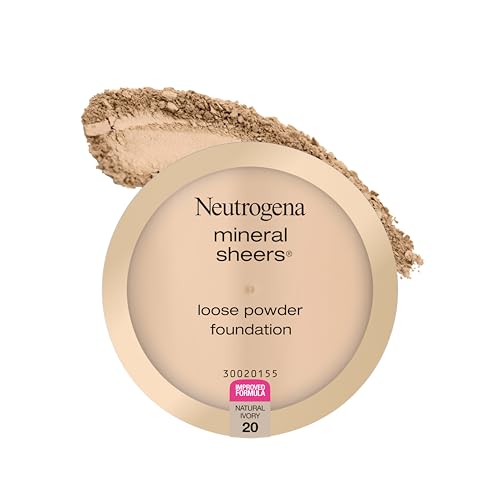
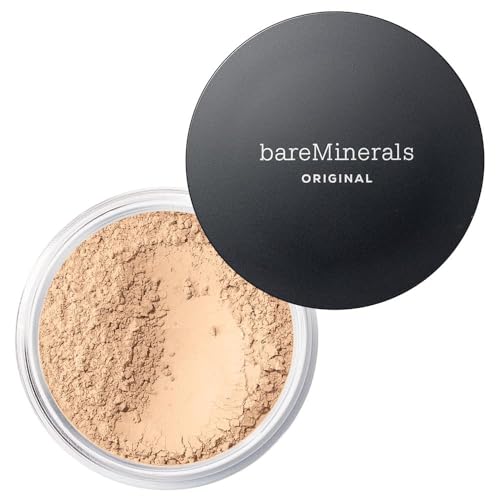
Mineral Foundation: The Complete Guide for Healthier-Looking Skin
Everything you need to know about mineral foundation — from its skin-friendly benefits and coverage options to choosing the right shade and applying it like a pro.
Explore Top Mineral FoundationsWhy mineral foundation deserves your attention: If you are researching mineral foundation before buying, you are likely looking for a makeup option that feels lighter, looks natural, and supports healthier-looking skin. This guide walks you through the formulation, coverage levels, skin-type compatibility, and application techniques so you can choose with confidence.
What Is Mineral Foundation?
Mineral foundation is a type of makeup made primarily from naturally derived minerals such as titanium dioxide, zinc oxide, iron oxides, and mica. Unlike traditional liquid foundations that may contain water, oils, emulsifiers, and synthetic preservatives, mineral foundations are typically formulated as loose powders or pressed compacts with a shorter ingredient list. This simplicity is one reason the category has become a staple in the clean beauty movement and among people with reactive skin.
The minerals in these formulas serve distinct purposes: titanium dioxide and zinc oxide provide physical sun-blocking properties and pigment coverage, iron oxides deliver the color and shade range, and mica adds a subtle luminous finish. Because the particles sit on top of the skin rather than being absorbed, mineral foundation is often described as breathable and non-comedogenic, making it a popular choice for oily and acne-prone complexions.
Key Benefits of Mineral Foundation
Understanding why mineral foundation might suit your routine begins with its core advantages. These benefits are not marketing claims — they stem from the formulation itself.
Gentle on Sensitive Skin
Many mineral foundations skip common irritants like fragrance, synthetic dyes, and certain preservatives. If your skin reacts easily, this simplicity can reduce the likelihood of irritation. For those with very reactive skin, explore sensitive skin moisturizer as a base layer to further calm the complexion.
Non-Comedogenic and Breathable
Because the minerals sit on the skin's surface, they are less likely to clog pores compared to heavy cream or oil-based formulas. This makes mineral foundation a practical option for oily and acne-prone skin types, especially when paired with a lightweight non-comedogenic moisturizer for oily skin.
Natural, Buildable Coverage
Mineral foundation can be applied sheer for a barely-there look or layered for more coverage. This flexibility lets you customize the finish to your preferences without switching products. For a seamlessly blended application, a quality foundation brush makes a noticeable difference.
Built-In Sun Protection Potential
Titanium dioxide and zinc oxide are physical sunscreen ingredients, so many mineral foundations offer a degree of sun protection. However, makeup alone rarely provides sufficient SPF coverage. Layering a dedicated mineral sunscreen underneath ensures reliable protection without disrupting the finish.
Compatible with a Minimalist Routine
If you prefer a streamlined approach, mineral foundation can replace both powder and liquid base steps. Pair it with a simple minimalist skincare routine and you have an efficient, skin-first makeup regimen.
Loose vs. Pressed Mineral Foundation: Which Is Right for You?
Mineral foundation comes in two main formats, and each has distinct trade-offs. Understanding the differences helps you match the product to your lifestyle and skin needs.
| Feature | Loose Mineral Foundation | Pressed Mineral Foundation |
|---|---|---|
| Finish | Lightweight, airy, natural-looking | Slightly more polished, buildable |
| Ingredient Profile | Usually shorter list, fewer binders | May include binders for compact form |
| Best For | Sensitive skin, oily skin, at-home application | Touch-ups, travel, medium coverage needs |
| Application | Buffing brush, more controlled layering | Sponge or brush, quicker application |
| Convenience | Less portable, prone to spillage | Highly portable, easy for on-the-go use |
For very reactive skin, loose formulas are often the safer starting point because they tend to contain fewer binding agents. If you need convenience for daily touch-ups, pressed versions in the mid-tier to premium range typically offer better textures and smoother application than entry-level pressed formulas.
How to Choose the Right Mineral Foundation for Your Skin Type
Mineral foundation is not one-size-fits-all. Your skin type, undertone, and coverage preferences all influence which formula will serve you best.
For Oily and Acne-Prone Skin
Look for loose mineral foundations with a matte or satin finish and a high proportion of zinc oxide, which has mild astringent properties. Avoid formulas with added oils or heavy emollients. Pairing your foundation with a setting powder for oily skin helps control shine throughout the day. A skin tint for oily skin can also serve as a lighter alternative on low-coverage days.
For Dry and Dehydrated Skin
Dry skin benefits from mineral foundations that include a touch of hydration — look for formulas with ingredients like squalane or hyaluronic acid blended into the powder. A rich skin serum for dry skin layered underneath creates a smoother canvas and prevents the powder from emphasizing flakiness. Finish with a hydrating setting powder for dry skin if needed.
For Sensitive and Reactive Skin
Keep the ingredient list short. Avoid fragrances, essential oils, and alcohol. Patch-test on your jawline for a few days before committing to a full-face application. Supporting your skin barrier with a serum formulated for sensitivity can make mineral makeup sit more comfortably. If you are exploring broader clean options, the non-toxic skincare guide is a useful companion read.
For Mature Skin
Fine lines and texture can be accentuated by overly matte or heavy powders. Choose mineral foundations with a luminous or satin finish and avoid buffing too aggressively. A hydrating base such as a moisturizer for wrinkles helps smooth the surface before application. For a truly natural, radiant result, explore skin care products for glowing skin to build the right prep routine.
How to Apply Mineral Foundation Like a Pro
Application technique makes a significant difference with mineral foundation. Unlike liquids that blend easily, powders require the right tools and motion to look seamless.
- Start with a clean, moisturized base. Wait a few minutes for skincare to absorb before applying powder. A natural moisturiser works well as a primer for mineral formulas.
- Use the right brush. A dense, flat-top foundation brush or a kabuki brush gives the best control for buffing minerals into the skin.
- Tap, don't swipe. Tap a small amount of powder into the lid, swirl the brush, then tap off excess. Buff in circular motions, building coverage gradually rather than applying heavily at once.
- Layer for coverage. For more coverage, add thin layers rather than one thick application. This prevents a cakey appearance and keeps the finish natural.
- Set and finish. A light mist of matte setting spray for oily skin helps lock the powder in place and reduces transfer throughout the day.
- Remove thoroughly. Mineral powders can settle into pores; use a gentle oil face cleanser or micellar water for sensitive skin followed by a gentle cleanser routine to ensure complete removal.
Mineral Foundation and Sun Protection
One of the most cited advantages of mineral foundation is its sun-blocking potential. Titanium dioxide and zinc oxide are physical UV filters that sit on the skin's surface and reflect or scatter UV rays. However, the SPF rating on makeup is typically measured in a laboratory with a thick, uniform application — real-world application is far thinner, so the actual protection is much lower than the label suggests.
The practical approach is to apply a dedicated mineral sun screen or non-greasy sunscreen for face underneath your foundation, then use mineral makeup as a supplementary layer. This ensures consistent protection without relying on makeup for SPF. For body, a body sunscreen completes the routine.
Common Mistakes to Avoid
- Applying on dry, unprepared skin. Mineral powder can cling to dry patches. Always start with a hydrated base.
- Using too much product at once. Build coverage in thin layers; a little goes a long way.
- Ignoring undertones. A shade that matches your depth but not your undertone will look off. Test on the jawline in natural light.
- Neglecting brush hygiene. Clean your foundation brush weekly with a brush dryer or gentle soap to prevent bacteria buildup and patchy application.
- Skipping sunscreen. Do not rely on mineral foundation alone for UV protection.
Mineral Foundation vs. Traditional Foundation
The choice between mineral and traditional foundation comes down to priorities. Mineral formulas excel at breathability, ingredient simplicity, and suitability for sensitive or oily skin. Traditional liquid foundations generally offer a broader shade range, more coverage options, and a wider variety of finishes. Many people use both: mineral foundation for everyday wear and liquid formulas for special occasions or full-coverage needs. If you are building a makeup kit from scratch, the getting started guide helps you prioritize the essentials.
Frequently Asked Questions
Is mineral foundation good for sensitive skin?
Yes, mineral foundation is often a great choice for sensitive skin because many formulas use fewer ingredients and avoid common irritants like fragrances, synthetic dyes, and some preservatives. However, everyone's skin is different, so patch testing is always recommended before full-face application.
What is the difference between loose and pressed mineral foundation?
Loose mineral foundation offers a lightweight, buildable finish and is ideal for a natural look, while pressed mineral foundation is more convenient for travel and touch-ups. Pressed formulas sometimes contain additional binders, so those with very reactive skin may prefer loose versions.
Does mineral foundation provide sun protection?
Many mineral foundations contain titanium dioxide or zinc oxide, which are physical sunscreen ingredients. However, makeup alone rarely provides enough coverage for adequate sun protection. Always apply a dedicated sunscreen underneath for reliable SPF.
How do I choose the right shade of mineral foundation?
Match the shade to your undertone (warm, cool, or neutral) and test it on your jawline in natural light. Mineral foundations can look slightly different on the skin than in the jar, so swatching and blending is essential before committing to a full-size purchase.
Can mineral foundation cause breakouts?
Mineral foundation is generally considered non-comedogenic, but individual reactions vary. Choosing a formula labeled non-comedogenic and thoroughly removing makeup at the end of the day reduces the risk of clogged pores.
The bottom line: Mineral foundation is a smart choice for anyone seeking a lightweight, breathable base that supports healthier-looking skin. Whether you opt for a loose formula for sensitive skin or a pressed compact for convenience, the key is to match the product to your skin type, prepare your skin properly, and layer sun protection underneath.
Use this guide as your reference point, then browse the recommended mineral foundations below to find the formula that fits your routine. For questions about our editorial standards or affiliate relationships, see our disclaimer and affiliate disclosure.