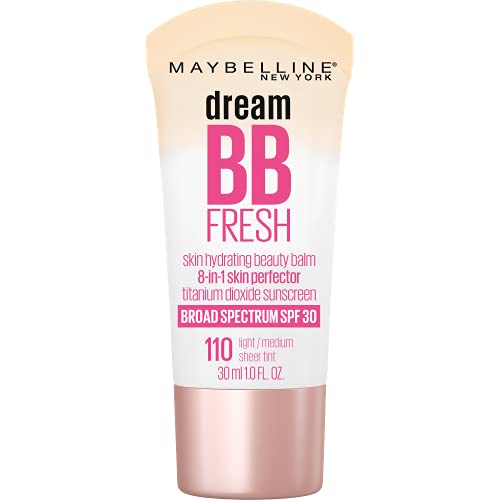
Hydrating Foundation for Dry Skin: The Complete Guide
Discover how to choose and apply a moisturizing foundation that keeps dry skin comfortable, luminous, and flake-free from morning to night.
SEE RECOMMENDED PICKSWhy this guide matters: Dry skin can make even the most expensive foundation look patchy within hours. The right hydrating formula — applied with the right technique — transforms the finish from cracked to cushiony. This guide explains exactly what to look for and how to make it work.
In This Guide
What Makes a Foundation Hydrating?
Hydrating foundations are formulated with humectants, emollients, and occlusives that draw moisture into the skin and prevent water loss throughout the day. They differ from standard foundations because their base typically includes water-binding ingredients rather than drying alcohols or high concentrations of mattifying powders.
Key hydrating ingredients to look for in the ingredient list:
- Hyaluronic acid and sodium hyaluronate — attract and hold water in the upper layers of skin.
- Glycerin — a classic humectant that keeps skin pliable.
- Ceramides — reinforce the skin barrier and reduce moisture loss.
- Squalane — a lightweight emollient that smooths without feeling greasy.
- Shea butter, jojoba, and plant oils — soften dry patches and improve slip during application.
- Niacinamide — supports barrier function while improving tone.
Conversely, formulas labelled "matte," "oil-free," or "long-wear with powder finish" are usually the wrong choice for dry skin because they absorb whatever moisture is present. If you already own a foundation you love for its coverage, you can pair it with a hydrating cleanser for dry skin and a rich moisturizer to compensate — but a purpose-built hydrating formula is still the easier path.
How to Choose the Best Hydrating Foundation for Dry Skin
There is no single best foundation for everyone. The ideal pick depends on your coverage preference, finish, skin tone, and how much time you spend applying makeup. Use the criteria below to narrow your options.
1. Coverage level
- Sheer to light: Best for naturally comfortable skin that only needs evening-out. These formulas feel almost like skincare and rarely look patchy.
- Medium: The most versatile option for dry skin. Medium coverage formulas today are often as hydrating as sheer ones.
- Full: Possible for dry skin, but full coverage tends to be thicker. Look specifically for "hydrating full coverage" and avoid powder-finish formulas.
2. Finish
Dry skin benefits most from a dewy, satin, or luminous finish. These reflect light and visually soften fine lines and flakiness. A pure matte finish should be avoided unless you have combination skin and only use it on the T-zone.
3. Format
- Liquid foundation: The most common and typically the most hydrating. Look for fluid textures that spread easily — see our overview of liquid foundation for context on how formulas differ.
- Cream foundation: Richer and thicker; excellent for very dry or mature skin in winter.
- Cushion foundation: A Korean beauty staple that delivers lightweight hydration in buildable layers. Our Korean cushion foundation guide explains the format in depth.
- Stick foundation: Convenient but often waxier. Choose only formulas specifically marketed for dry skin.
4. Ingredient red flags
Check the label for drying alcohols (denatured alcohol, alcohol denat.) near the top of the ingredient list, high concentrations of silica or kaolin clay, and strong fragrance if your skin is reactive. These can accelerate dryness over the course of a wear day.
5. Shade range and oxidization
Hydrating foundations sometimes oxidize slightly darker as they mix with skin oils. Test a shade on your jawline and let it sit for 15 minutes before committing. If you have sensitive eyes as well as dry skin, also read our guide to hypoallergenic makeup for sensitive eyes.
Quick buyer's checklist
- Contains glycerin, hyaluronic acid, ceramides, or squalane
- Described as dewy, luminous, satin, or radiant
- No denatured alcohol in the first five ingredients
- Available in a shade matched to your undertone
- Consistent reviews from other dry-skin users
Which Finish Suits Dry Skin Best
The table below compares the most common foundation finishes and how each behaves on dry skin. Tier descriptors describe market positioning, not price.
| Finish | Best for dry skin? | Notes |
|---|---|---|
| Radiant / dewy | Yes — top pick | Reflects light, minimizes visible flakiness, feels comfortable. Mid-range to premium options dominate this category. |
| Satin / natural | Yes | Balanced sheen that looks like skin. Works well for dry to combination types. |
| Matte | Usually no | Absorbs moisture and emphasizes dry patches. If you must, apply only to the T-zone. |
| Velvet / soft-focus | Sometimes | Depends on formula. Some velvet finishes include ceramides; check the label. |
If you are also shopping for a lighter everyday option, our overview of light foundation for mature skin covers formulas that prioritize comfort over coverage.
Prep Your Skin Before Foundation
Even the best hydrating foundation will look patchy if the skin underneath is under-moisturized. A thorough prep routine takes only a few extra minutes and dramatically improves wear time.
- Cleanse gently. Use a cream or gel cleanser that does not strip the skin. Our hydrating cleanser for dry skin guide explains which textures suit different dryness levels.
- Exfoliate 1–2 times per week. Chemical exfoliants (lactic or mandelic acid) are gentler than scrubs and prevent dead-cell buildup that causes patchiness.
- Apply a hydrating toner. A layer of moisture before serum helps subsequent products absorb. See our hydrating toner for dry skin recommendations for context.
- Layer a serum. Hyaluronic acid or a ceramide serum plumps the skin and fills in fine lines so foundation sits smoothly.
- Moisturize generously. Use a richer cream than you would for daytime alone, especially in cold weather.
- Wait 3–5 minutes. Foundation applied over freshly moisturized skin can slide or pill. Let the skincare settle first.
- Apply a hydrating primer. Optional, but helpful for very dry skin or long wear days.
If your skin is also mature, read our hydrating foundation for mature skin guide, which covers prep adjustments for fine lines and texture.
How to Apply Hydrating Foundation Step by Step
Technique matters as much as the formula. The goal is to press product into the skin rather than buff it away.
- Start with a small amount. One pump is often enough for a full face. Build in thin layers rather than applying a thick coat.
- Dot onto the center of the face. Apply to the cheeks, nose, chin, and forehead, then blend outward.
- Use a damp makeup sponge. Squeeze out excess water and bounce the product into the skin. This creates a seamless, skin-like finish and prevents dry patches from showing.
- Use a brush for extra coverage. A dense foundation brush works for areas needing more coverage, but blend the edges with a sponge afterward.
- Avoid powder on dry areas. Skip setting powder except on the T-zone if needed. Use a hydrating setting spray instead to lock makeup in place without drying.
- Refresh midday with a hydrating mist. A fine mist over the face revives a dewy finish and prevents cracking.
For a broader look at base techniques, see our makeup hub, which links to primers, brushes, and setting products.
Common Mistakes That Cause Dry-Skin Patchiness
- Skip moisturizer because foundation feels hydrating. Foundation cannot replace skincare. Always moisturize first.
- Use a mattifying primer under a hydrating foundation. The primer and foundation work against each other. Match your primer to your skin type.
- Apply powder everywhere. Powder absorbs moisture. Restrict it to the T-zone and use a finely milled formula if you must set.
- Buff with a stiff brush. Friction lifts dry flakes and makes them more visible. Press or bounce instead.
- Layer too much product. Thick layers crack. Build thin coats only where needed.
- Ignore exfoliation. Dead skin cells will always look patchy under makeup. Regular gentle exfoliation is essential.
If you also wear eyelash enhancements, check that your makeup remover is gentle enough for both lashes and dry skin — our make-up remover guide covers options that do not strip moisture.
Frequently Asked Questions
What is the best hydrating foundation for dry skin?
The best formula depends on your coverage preference. Look for foundations enriched with hyaluronic acid, glycerin, ceramides, or squalane, and choose dewy or satin finishes over matte. The recommended products section below highlights formulas that suit dry skin across coverage levels.
Should I apply moisturizer before hydrating foundation?
Yes. A well-prepped base is essential. Apply a hydrating moisturizer and let it absorb for several minutes before foundation. This creates a smooth canvas and prevents the foundation from clinging to dry patches.
How do I keep foundation from clinging to dry patches?
Exfoliate gently once or twice a week, apply a hydrating primer, and use a damp makeup sponge to press the foundation into the skin rather than buffing. Avoid setting powder on dry areas and finish with a dewy setting spray.
Can I use hydrating foundation on mature skin?
Absolutely. Hydrating foundations are often ideal for mature skin because they plump fine lines and prevent makeup from settling into creases. Luminous or satin finishes work best — see our hydrating foundation for mature skin guide for details.
Do I need a special primer for dry skin?
A hydrating or illuminating primer can help, but it is optional if your skincare routine is already rich. Avoid mattifying or pore-blurring primers, which tend to dry out the skin and emphasize texture.
Editorial note: This guide is based on cosmetic chemistry principles and ingredient analysis. Patch-test any new foundation on your jawline before full-face use, and consult a dermatologist if you have an active skin condition such as eczema or rosacea.