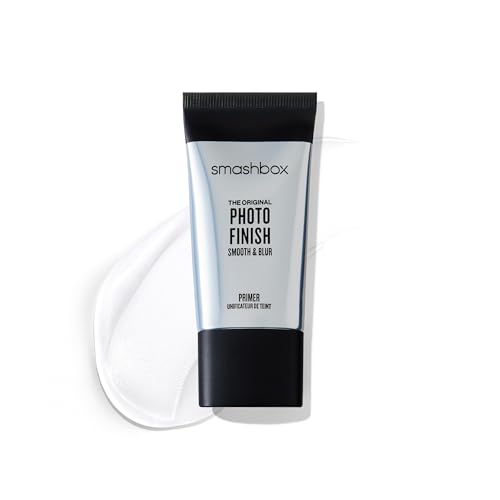
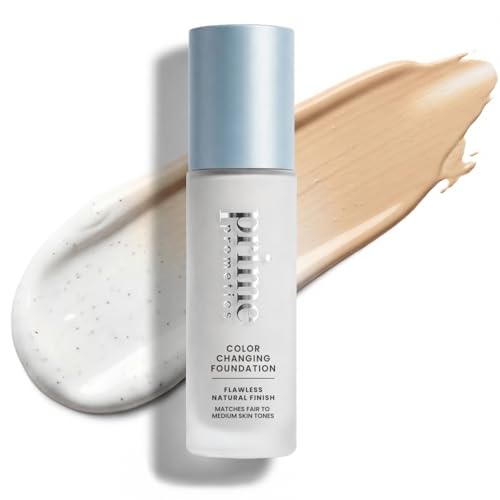
The Ultimate Makeup Primer Guide
Everything you need to know about primers – from types and benefits to application tips and top product recommendations for every skin type.
What Is a Makeup Primer?
A makeup primer is a preparatory product applied before foundation or other face makeup. Its main purpose is to create a smooth, even canvas for makeup application, helping it last longer and look better throughout the day. Think of it as the base coat for your face – just like you wouldn't paint a wall without priming it first, your makeup deserves the same care.
Modern primers do much more than just smooth the skin. They can address specific skin concerns like large pores, fine lines, redness, dullness, and excess oil. Whether you have dry, oily, or combination skin, there's a primer formulated to meet your needs and enhance your overall makeup look.
Why You Should Use a Makeup Primer
If you've ever wondered why your foundation fades by midday or settles into fine lines, the answer might be a missing primer. Here are the key benefits of incorporating a primer into your routine:
- Longer-Lasting Makeup: Primer acts as an adhesive layer, helping foundation, concealer, and powder stay put for hours – even in humid conditions.
- Smoothes Skin Texture: It fills in fine lines, wrinkles, and enlarged pores, creating a flawless, airbrushed finish.
- Controls Shine: Mattifying primers absorb excess oil, keeping your skin fresh and shine-free without looking flat.
- Hydrates and Nourishes: Hydrating primers infuse skin with moisture, preventing flakiness and ensuring a dewy, healthy glow.
- Color Correction: Some primers are tinted (green, lavender, peach) to neutralize redness, sallowness, or dark circles before applying foundation.
- Protects Skin: Many primers include SPF for added sun protection, while others contain antioxidants that shield skin from environmental damage.
Pro Tip: Always apply primer after your moisturizer and sunscreen, and before any other makeup. Give it 1–2 minutes to set before layering foundation for the best results.
Types of Makeup Primers
Choosing the right primer starts with understanding the different formulas available. Each type is designed to address specific skin concerns and achieve a particular finish. Here's a breakdown of the most common primer categories:
🌿 Hydrating Primer
Best for dry, flaky, or mature skin. Contains moisturizing ingredients like hyaluronic acid, glycerin, or squalane to plump and smooth the skin, giving it a radiant, dewy finish. Ideal for a natural or fresh-faced look.
⚡ Mattifying / Oil-Control Primer
Formulated for oily or combination skin. Often contains salicylic acid or clay to absorb excess sebum and minimize shine. Creates a matte, velvety canvas that keeps foundation in place all day. Perfect for those with oily skin.
🔍 Pore-Minimizing Primer
Targets enlarged pores by filling them in with silicone or similar smoothing agents. Leaves skin with a silky, blurred effect that looks like a filter. A go-to for achieving an airbrushed finish, often used before mineral foundation.
✨ Illuminating / Glow Primer
Infused with light-reflecting particles to give skin a luminous, lit-from-within glow. Great for dull or tired skin, and can be worn alone for a fresh, no-makeup look or layered under foundation for subtle radiance.
🎨 Color-Correcting Primer
Uses color theory to neutralize discoloration. Green corrects redness, lavender brightens sallow skin, peach/neutralizes dark circles, and yellow minimizes purple/blue tones. A must-have for those with rosacea or hyperpigmentation.
🧴 Primer with SPF
Combines the benefits of primer with sun protection. Provides an extra layer of defense against UVA and UVB rays. Ideal for everyday wear, but remember to still apply a dedicated sunscreen underneath for full coverage.
How to Choose the Right Primer for Your Skin Type
Selecting the best primer depends on your skin type, the finish you want, and the foundation you're using. Below is a quick guide to help you decide:
For Oily Skin
Look for oil-free, mattifying, or pore-minimizing primers. These help control shine and keep makeup from sliding off. Avoid heavy, cream-based primers that can clog pores. A primer with salicylic acid can also help keep breakouts at bay.
For Dry Skin
Choose a hydrating or illuminating primer with a creamier, more emollient texture. Ingredients like hyaluronic acid and squalane are your best friends. These will prevent your foundation from clinging to dry patches and give you a healthy glow.
For Combination Skin
Consider using a hydrating primer on the cheeks and a mattifying primer on the T-zone (forehead, nose, chin). Alternatively, choose a balancing primer that offers moderate hydration and oil control. A lightweight gel formula often works well for combination skin types.
For Sensitive Skin
Opt for fragrance-free, hypoallergenic primers with minimal ingredients. Look for calming components like aloe vera or centella asiatica. Always patch-test a new primer before applying it all over your face. If you have a known sensitivity, you may want to consult a dermatologist or explore a natural skincare approach.
For Mature Skin
Choose a primer that offers both hydration and a smoothing effect. Look for anti-aging ingredients like peptides or niacinamide. A good primer can help blur fine lines and wrinkles, giving your skin a more youthful, plump appearance. Many mature skin primers also contain light-reflecting particles for a subtle, healthy radiance.
How to Apply Makeup Primer Like a Pro
Applying primer correctly makes a huge difference. Follow these steps for a flawless base:
- Start with clean, moisturized skin: Always apply primer after your skincare routine. Your skin should be fully prepped – cleansed, toned, and moisturized.
- Use the right amount: A pea-sized amount is usually enough for your entire face. Using too much can make your makeup pill or feel heavy.
- Apply with clean fingers or a brush: Warm the primer between your fingertips and gently press it into the skin, focusing on areas where you have larger pores or fine lines. A primer brush can also be used for a more even, controlled application.
- Let it set: Wait 1–2 minutes for the primer to dry and adhere to your skin before applying foundation. This prevents the products from mixing and ensures the primer does its job properly.
- Layer strategically: If you use multiple primers (e.g., a color-correcting primer on redness and a pore-filling primer on your T-zone), apply them in thin layers and let each dry before adding the next.
Expert Advice: For the most natural look, focus primer on areas where your makeup tends to wear off first – the T-zone is the most common trouble spot for many people.
Common Primer Mistakes and How to Fix Them
Even with a good primer, small mistakes can ruin your base. Here's what to avoid and how to fix it:
- Using the wrong primer for your skin type: This is the most common mistake. Using a mattifying primer on dry skin will make it look flaky, and a hydrating primer on oily skin will leave you looking greasy. Always match the primer to your skin's needs.
- Skipping the setting time: Applying foundation immediately after primer can cause it to slip and slide. Always give your primer a minute to set and "grip" the skin.
- Using too much product: A little primer goes a long way. Overusing it can lead to pilling (those little rolled-up bits of product on your face). Start with a pea-sized amount and add more only if needed.
- Not washing your primer off properly: Many primers are silicone-based and can clog pores if not removed thoroughly. Always double-cleanse at the end of the day to ensure your skin stays clear.
Primer vs. Setting Spray: What's the Difference?
Both primers and setting sprays are designed to improve makeup longevity, but they work in completely different ways. A primer is applied before makeup to create a smooth, adhesive base. Setting spray, on the other hand, is applied after makeup to lock everything in place and extend wear time.
While they serve different purposes, they work beautifully together. Using a primer first and finishing with a setting spray is the ultimate combination for a flawless, long-lasting look. For a deep dive on extending wear time, check out our guide on everyday makeup routines.
Final Thoughts: Primer Is the Secret to a Flawless Face
Makeup primer might seem like an extra step, but its benefits are undeniable. Whether you're looking for a full-coverage, glamorous look or a simple, minimal makeup routine, the right primer can elevate your entire look, helping your makeup stay fresh, smooth, and beautiful from morning to night.
Remember, the best primer is one that addresses your unique skin concerns and preferences. Don't be afraid to experiment with different formulas – you might be surprised by how much of a difference this simple step can make.
For more expert advice on building a complete beauty routine, be sure to explore our beauty tips guide and other helpful articles across the site. Your perfect base is just a primer away.