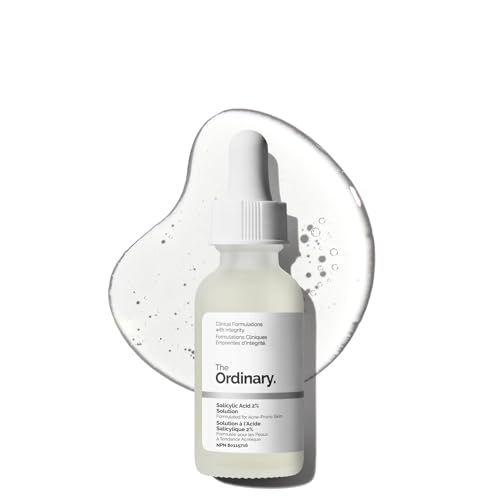
Salicylic Acid Guide: Clear Skin Secrets
Discover everything you need to know about salicylic acid – the ultimate BHA for acne, blackheads, and oily skin.
⭐ What is Salicylic Acid? Salicylic acid is a beta hydroxy acid (BHA) derived from willow bark. It’s oil-soluble, meaning it can penetrate deep into pores to dissolve excess sebum and dead skin cells, making it a go-to ingredient for acne-prone and oily skin.
🧪 Exfoliates
Removes dead skin cells, revealing smoother, brighter skin.
🔬 Unclogs Pores
Penetrates deep into follicles to dissolve oil and debris.
🛡️ Reduces Acne
Helps prevent and treat blackheads, whiteheads, and pimples.
✨ Soothes Inflammation
Calms redness and irritation associated with breakouts.
What Is Salicylic Acid and How Does It Work?
Salicylic acid is a beta hydroxy acid (BHA) that's been a staple in dermatology for decades. Unlike alpha hydroxy acids (AHAs) which are water-soluble, salicylic acid is oil-soluble, allowing it to penetrate the lipid-rich layers of the skin and deep into the pores. This unique property makes it incredibly effective for treating acne, blackheads, and oily skin.
When applied topically, salicylic acid works by breaking down the bonds between dead skin cells, promoting exfoliation. It also dissolves sebum (skin oil) and unclogs pores, reducing the environment where acne-causing bacteria thrive. Additionally, it has mild anti-inflammatory properties that help calm redness and swelling associated with breakouts.
If you're new to chemical exfoliation, starting with a skincare routine that includes salicylic acid can be a game-changer. For those with oily skin care needs or persistent acne-prone skin, this ingredient is often recommended as a first-line treatment.
Key Benefits of Salicylic Acid
- Unclogs and minimizes pores
- Reduces blackheads and whiteheads
- Prevents and treats acne breakouts
- Exfoliates dead skin cells
- Improves skin texture and tone
- Calms inflammation and redness
- Helps other skincare products penetrate better
Beyond treating acne, salicylic acid is also beneficial for those with hyperpigmentation as it helps fade dark spots by promoting cell turnover. It's also a key ingredient in many Korean skincare routines for achieving that glass-skin glow.
How to Use Salicylic Acid in Your Skincare Routine
Incorporating salicylic acid into your regimen is simple, but there are a few rules to follow for best results. Here's a step-by-step guide:
- Start with a cleanser: Use a gentle, non-stripping cleanser like a facial cleanser for oily skin before applying salicylic acid.
- Apply a salicylic acid product: This could be a toner, serum, or treatment pad. Start with a lower concentration (0.5% – 2%) if you're new.
- Follow with a moisturizer: Even oily skin needs hydration. Use a lightweight, non-comedogenic moisturizer.
- Always use sunscreen: Salicylic acid can make your skin more sensitive to the sun. Apply a broad-spectrum SPF 30+ daily.
For optimal results, use salicylic acid products 2–3 times a week initially, then increase frequency as your skin builds tolerance. Always listen to your skin – if irritation occurs, reduce usage.
Many people find success by pairing salicylic acid with other active ingredients. For example, a double cleansing routine can ensure your skin is perfectly prepped, and using a retinol serum on alternate nights can address different skin concerns like aging and texture.
Salicylic Acid vs. Other Exfoliants
It's common to wonder how salicylic acid compares to other popular exfoliating ingredients. The table below breaks down the key differences:
| Ingredient | Type | Best For | Key Benefit |
|---|---|---|---|
| Salicylic Acid | BHA (Oil-soluble) | Oily, acne-prone skin | Unclogs pores, reduces blackheads |
| Glycolic Acid | AHA (Water-soluble) | Dry, sun-damaged skin | Surface exfoliation, brightening |
| Lactic Acid | AHA (Water-soluble) | Sensitive, dry skin | Gentle exfoliation, hydration |
| Benzoyl Peroxide | Antibacterial | Inflammatory acne | Kills acne-causing bacteria |
If you have sensitive skin care needs, you may find lactic acid or PHA more suitable. However, salicylic acid remains the gold standard for oily and acne-prone skin types.
Potential Side Effects and Precautions
While salicylic acid is generally safe, it can cause dryness, peeling, or irritation, especially when first starting. To minimize side effects:
- Patch-test new products on a small area of skin.
- Start with a lower concentration (0.5% – 1%).
- Avoid using with other harsh exfoliants (retinoids, AHAs) simultaneously.
- Always follow with a moisturizer and sunscreen.
If you experience severe redness, burning, or peeling, discontinue use and consult a dermatologist. Those with rosacea skin care concerns or very sensitive skin should proceed with caution.
Who Should Use Salicylic Acid?
Salicylic acid is ideal for:
- People with oily or combination skin
- Those with acne, blackheads, or whiteheads
- Anyone looking to improve skin texture and clarity
- Individuals who want to prevent future breakouts
It's less suitable for those with very dry skin, eczema, or open wounds. If you're unsure, consider consulting a dermatologist or exploring natural skincare alternatives first.
Best Salicylic Acid Products to Try
When choosing a salicylic acid product, look for formulations that suit your skin type and lifestyle. Cleansers are great for beginners, while serums and toners offer more targeted treatment. For those who love multi-step routines, a skin care routine that includes a salicylic acid toner can be highly effective.
For a budget-friendly option, consider products containing 0.5% – 2% salicylic acid. Higher concentrations (up to 30%) are available but should only be used by professionals or those with significant acne concerns.
Remember to check for complementary ingredients like centella asiatica extract or snail mucin which can help soothe and repair the skin barrier while you treat acne.
Frequently Asked Questions
Can I use salicylic acid every day?
Yes, many people use it daily, but start slowly. If you experience irritation, reduce usage to every other day.
Can I use salicylic acid with vitamin C?
Yes, but apply vitamin C in the morning and salicylic acid at night to avoid irritation.
Is salicylic acid safe during pregnancy?
Topical salicylic acid in low concentrations (under 2%) is generally considered safe, but always consult your doctor.
How long does it take to see results?
You may see improvements in 4–6 weeks with consistent use.
Final Thoughts
Salicylic acid is a powerhouse ingredient that can transform your skin if used correctly. Whether you're dealing with stubborn acne, clogged pores, or just want a brighter complexion, this BHA is worth adding to your routine.
Remember to start slow, moisturize well, and always wear sunscreen. With patience and consistency, you'll be on your way to clearer, healthier skin. Explore our recommended products below to find the perfect salicylic acid product for your needs.
For more comprehensive guides on building the perfect regimen, check out our complete skincare routine and getting started pages. If you have sensitive skin, our skin care for sensitive skin guide offers gentle alternatives.