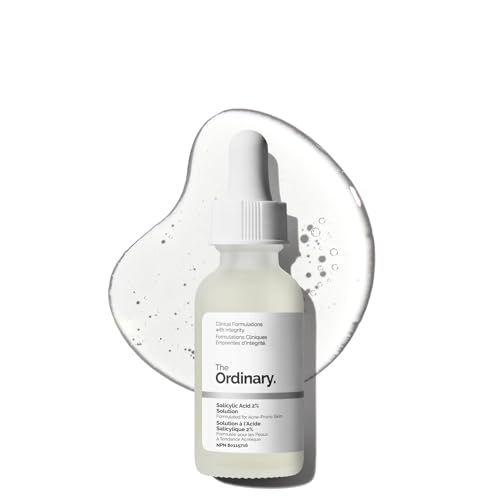
Acne Prone Skin: Your Complete Guide to Clear Skin
Struggling with breakouts? Discover the best skincare routine, ingredients, and products specifically designed for acne-prone skin. Learn how to manage blemishes and achieve a clearer complexion.
Acne-prone skin requires a careful, consistent approach. Whether you're dealing with occasional breakouts or persistent cystic acne, understanding your skin's needs is the first step to recovery. This guide covers everything from the ideal skincare routine to the most effective ingredients and lifestyle changes that can help you manage acne.
Understanding Acne-Prone Skin
Acne-prone skin is characterized by a tendency to develop pimples, blackheads, whiteheads, and sometimes deeper, painful cysts. This happens when hair follicles become clogged with dead skin cells and sebum (oil). Bacteria (C. acnes) can then multiply, leading to inflammation and breakouts. Factors like hormones, genetics, stress, and even diet can play a significant role.
💡 Did You Know?
Over-cleansing or using harsh products can actually worsen acne by stripping the skin of its natural barrier, leading to increased oil production and more breakouts. Gentle, targeted care is key.
The Best Skincare Routine for Acne
A consistent, gentle routine is the foundation of managing acne-prone skin. Here’s a step-by-step guide that dermatologists recommend:
- Gentle Cleanser: Start with a mild, sulfate-free cleanser to remove impurities without stripping your skin. Look for ingredients like salicylic acid or facial cleanser for oily skin.
- Exfoliation (1-2x/week): Chemical exfoliants like salicylic acid or glycolic acid help unclog pores. Over-exfoliating can irritate, so start slow. Learn more about double cleansing for a deeper clean.
- Toner: Use a balancing toner to remove residual debris and prep your skin. Avoid alcohol-based toners that can dry out your skin.
- Treatment Serum: Apply a targeted serum with active ingredients like retinol serum or niacinamide to reduce inflammation and prevent breakouts.
- Moisturizer: Even oily, acne-prone skin needs hydration. Choose an oil-free, non-comedogenic moisturizer. Check out our guide to moisturizers for combination skin.
- Sunscreen (AM): Protect your skin daily with a lightweight, non-comedogenic sunscreen. Many acne treatments increase sun sensitivity. For a full routine, see our Skincare Routine Guide.
Key Ingredients for Acne-Prone Skin
Knowing which ingredients to look for can transform your skincare routine. Here are some of the most effective, backed by science:
Salicylic Acid
A BHA that penetrates pores to dissolve dead skin and oil. Excellent for blackheads and whiteheads.
Benzoyl Peroxide
Kills acne-causing bacteria and reduces inflammation. Great for inflammatory acne, but can be drying.
Retinoids (Retinol)
Increases cell turnover, unclogs pores, and reduces acne scars. Start with a low concentration.
Niacinamide
Vitamin B3 that reduces inflammation, redness, and regulates sebum production. Gentle and well-tolerated.
Hyaluronic Acid
Hydrates without clogging pores. Essential for maintaining skin barrier health while using active treatments.
For a deeper dive into specific ingredients, explore our guide on non-comedogenic concealers and oil-free primers for makeup that won't worsen breakouts.
Lifestyle & Diet Factors
While skincare is crucial, your diet and lifestyle also impact acne. High-glycemic foods (like sugar and refined carbs) and dairy have been linked to breakouts in some people. Stress management, adequate sleep, and staying hydrated can also improve your skin's condition. For more wellness tips, check out our healthy eating guide and stress management techniques.
🌿 Quick Lifestyle Tips
- ✔ Change your pillowcases weekly to avoid bacterial buildup.
- ✔ Clean your phone screen regularly.
- ✔ Avoid touching your face throughout the day.
- ✔ Manage stress with meditation or yoga.
Makeup Tips for Acne-Prone Skin
You don't have to give up makeup, but choosing the right products is essential. Look for labels that say "non-comedogenic," "oil-free," and "hypoallergenic." Mineral-based foundations are often a good choice. Always remove your makeup thoroughly with a gentle double-cleansing method to prevent clogged pores. For specific product recommendations, see our guide on makeup for acne.
When to See a Dermatologist
If over-the-counter products haven't improved your acne after 2-3 months, or if you're experiencing severe, painful, or cystic acne, it's time to consult a dermatologist. They can prescribe stronger treatments like oral antibiotics, isotretinoin, or hormonal therapies that can make a significant difference.
Ready to build your acne-fighting routine? Below are some of the best products recommended by dermatologists and users alike. Each product is carefully selected to be effective and gentle on acne-prone skin.