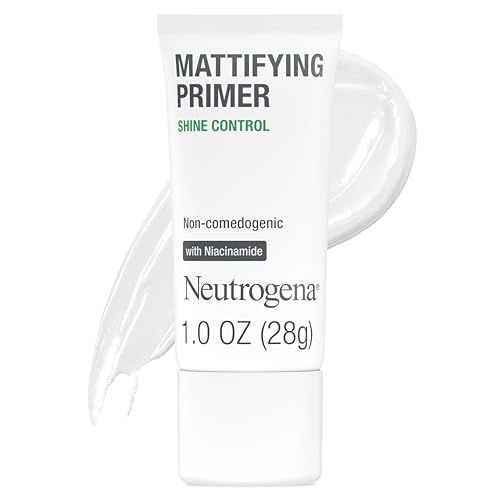
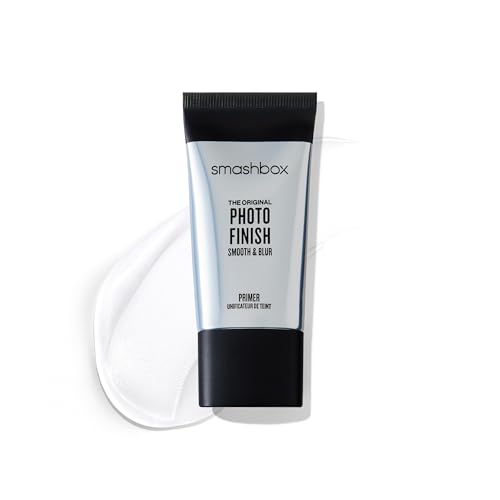
Oil Free Primer Guide: Achieve a Flawless, Shine-Free Base
Discover the best oil-free primers for oily and acne-prone skin. Learn how to control shine, minimize pores, and make your makeup last all day.
If you have oily or combination skin, you know the struggle of your makeup sliding off by midday. The secret to a long-lasting, matte finish lies in the right oil free primer. Unlike traditional primers, these are specifically formulated to absorb excess sebum, blur imperfections, and create a smooth canvas without clogging pores. This guide will walk you through everything you need to know, from key ingredients to application techniques, and help you choose the perfect product for your skin type.
What is an Oil Free Primer?
An oil free primer is a makeup base that contains no oils or heavy emollients. Instead, it relies on water-based or silicone-based formulas (like dimethicone) that are lightweight and non-comedogenic. These primers are designed to:
- Control Shine: Ingredients like silica and kaolin clay absorb excess oil throughout the day.
- Minimize Pores: Smoothing polymers fill in fine lines and large pores, creating a velvety surface.
- Extend Makeup Wear: By creating a barrier between your skin and foundation, it prevents your makeup from breaking down due to oil production.
- Prevent Breakouts: Non-comedogenic formulas ensure pores stay clear, making them ideal for acne-prone skin.
If you struggle with oily skin care, incorporating an oil-free primer is a game-changer. It tackles the root cause of makeup meltdown while keeping your skin healthy.
Key Ingredients in the Best Oil Free Primers
Not all oil-free primers are created equal. To get the best results, look for these powerhouse ingredients:
- Salicylic Acid: A beta-hydroxy acid that gently exfoliates and unclogs pores, perfect for those with acne-prone skin.
- Niacinamide (Vitamin B3): Regulates sebum production, reduces redness, and strengthens the skin barrier.
- Silica & Kaolin Clay: Absorb excess oil and provide a matte, blurred finish.
- Hyaluronic Acid: Provides lightweight hydration without adding oil, keeping skin balanced.
- Green Tea Extract: An antioxidant that soothes irritation and protects against environmental damage.
Pro Tip: If you have sensitive skin, avoid primers with artificial fragrances or alcohol. Opt for soothing ingredients like centella asiatica extract or aloe vera to calm your complexion.
Why Choose an Oil Free Primer?
Whether you're dealing with a shiny T-zone, visible pores, or frequent breakouts, an oil-free primer offers targeted benefits:
- For Oily Skin: Controls shine and keeps your makeup fresh for 8+ hours.
- For Combination Skin: Balances oily areas without drying out the cheeks.
- For Acne-Prone Skin: Non-comedogenic formulas prevent new breakouts while soothing existing inflammation.
- For Sensitive Skin: Gentle, fragrance-free options minimize irritation.
If you're building a skincare routine guide, an oil-free primer should be your final step before makeup application.
How to Choose the Best Oil Free Primer for Your Skin
With so many options available, selecting the right primer can feel overwhelming. Here's a step-by-step approach:
- Identify Your Primary Concern: Is it excess oil, large pores, redness, or acne? Choose a primer that targets your main issue.
- Check the Ingredients: Look for salicylic acid for acne, niacinamide for oil control, or silica for a matte finish.
- Consider Your Foundation Type: Water-based primers work best with water-based foundations; silicone-based primers pair well with silicone-based foundations.
- Read Reviews: See what other users with similar skin types say about the product's performance.
If you're still unsure, consider trying a sample kit to test multiple formulas before committing to a full size.
How to Apply Oil Free Primer for Maximum Effect
Proper application is just as important as the product itself. Follow these steps for a flawless finish:
- Start with a Clean Face: Wash your face with a gentle cleanser and pat dry. Using a facial cleanser for oily skin ensures excess oil is removed before application.
- Apply Moisturizer: Even oily skin needs hydration. Use a lightweight, oil-free moisturizer and let it absorb for 2-3 minutes.
- Use a Pea-Sized Amount: A little goes a long way. Apply a small amount to your fingertips or a makeup sponge.
- Focus on the T-Zone: Concentrate on areas that get oily first—forehead, nose, and chin. Gently pat and blend outward.
- Wait 60 Seconds: Allow the primer to set before applying foundation. This ensures it forms a smooth, tacky base.
- Set with Powder: For extreme oil control, lightly dust a translucent powder over the primer before applying foundation.
For a step-by-step tutorial on achieving a natural look, check out our everyday makeup tutorial.
Oil Free Primer vs. Regular Primer: What's the Difference?
To help you decide, here's a quick comparison:
| Feature | Oil Free Primer | Regular Primer |
|---|---|---|
| Base | Water or silicone-based, no oils | Can contain oils and heavy emollients |
| Best For | Oily, combination, and acne-prone skin | Dry to normal skin types |
| Finish | Matte, velvety | Dewy, radiant, or natural |
| Comedogenic Risk | Low (non-comedogenic formulas available) | Higher risk of clogged pores |
| Longevity | Extends makeup wear, controls shine | Provides hydration and glow |
If you're looking to minimize pores specifically, a pore minimizer primer might also be a great addition to your routine.
Top Features to Look for in an Oil Free Primer
When shopping for the best oil-free primer, keep an eye out for these features:
- Matte Finish: Look for terms like "matte," "shine control," or "blurring" on the packaging.
- SPF Protection: Some primers offer added sun protection, which is a bonus for daytime wear.
- Color Correcting: Primers with green tint neutralize redness, while peach tones brighten dull skin.
- Long-Wear Formula: Choose a primer that promises 12+ hours of wear for all-day events.
For those with redness, a color corrector for redness used in conjunction with an oil-free primer can provide even more coverage.
Common Mistakes to Avoid with Oil Free Primer
Even the best primer can fail if not used correctly. Avoid these pitfalls:
- Over-Applying: Too much primer can cause pilling and uneven texture. Stick to a pea-sized amount.
- Skipping Moisturizer: Oil-free doesn't mean moisture-free. Always apply a lightweight moisturizer first.
- Rubbing Instead of Patting: Rubbing can disrupt your skincare base. Gently pat the primer into your skin.
- Not Waiting for It to Set: Give the primer a minute to dry before applying foundation for the best adhesion.
If you're experiencing persistent breakouts, you might need to revisit your skin care routine or consult a dermatologist.
Frequently Asked Questions About Oil Free Primer
Is oil-free primer good for dry skin?
While oil-free primers are designed for oily skin, those with dry skin can also use them if they prefer a matte finish. However, it's essential to apply a rich moisturizer underneath. For dry skin, a good moisturizer for combination skin or a hydrating serum can provide the needed balance.
Can I wear oil-free primer without foundation?
Absolutely! An oil-free primer can be worn alone to blur imperfections, control shine, and give your skin a polished, matte look.
How often should I use an oil-free primer?
You can use it daily as part of your makeup routine. Just make sure to thoroughly cleanse your face at the end of the day to prevent buildup.
Do oil-free primers work for acne-prone skin?
Yes, especially those containing salicylic acid or niacinamide. They help to control oil and prevent breakouts while providing a smooth base. Check out our guide on skin care for sensitive skin for more tips.
Ready to Transform Your Makeup Routine?
An oil free primer is the secret weapon your makeup bag has been missing. By controlling shine, minimizing pores, and extending wear, it ensures you look fresh from morning to night. Browse the recommended products below to find the perfect primer for your skin type.
For more beauty tips, explore our guides on makeup primer and makeup that looks natural.