Skin Care for Sensitive Skin: Your Complete Guide to Calm, Healthy Skin
Discover dermatologist-recommended routines, soothing ingredients, and gentle products designed specifically for sensitive, easily-irritated skin. Learn how to build a routine that protects your skin barrier and reduces redness.
START YOUR SENSITIVE SKIN JOURNEYUnderstanding Sensitive Skin: Sensitive skin is not a medical diagnosis but a skin type characterized by heightened reactivity to environmental factors, skincare products, and even stress. If your skin frequently feels tight, stings, burns, or turns red, you're likely dealing with a compromised skin barrier. This guide will help you navigate the world of sensitive skincare with confidence.
Why Sensitive Skin Demands Special Attention
Sensitive skin has a weakened skin barrier, which means it loses moisture more easily and allows irritants to penetrate deeper. This can lead to inflammation, redness, and discomfort. Unlike dry skin, which primarily lacks oil, sensitive skin reacts to ingredients that would be perfectly fine for other skin types.
Many people mistakenly believe they have oily skin when they actually have sensitive skin that's over-producing oil to compensate for barrier damage. Understanding your skin's true needs is the first step toward finding products that soothe rather than aggravate.
Quick Tips for Sensitive Skin Care
🧴 Patch Test Everything
Always test new products on a small area (like behind your ear or on your inner arm) for 24–48 hours before applying to your face. This simple step can save you from widespread irritation.
🚿 Use Lukewarm Water
Hot water strips away natural oils and worsens sensitivity. Wash your face with lukewarm water and pat dry gently with a soft towel—never rub.
📦 Simplify Your Routine
More products mean more potential irritants. Stick to a minimal, targeted routine: gentle cleanser, soothing moisturizer, and sun protection. Add treatments one at a time.
☀️ Never Skip Sunscreen
UV radiation is a major trigger for sensitive skin. Choose a physical (mineral) sunscreen with zinc oxide or titanium dioxide, which are less likely to cause irritation than chemical filters.
Ingredients: What to Love & What to Avoid
The key to caring for sensitive skin is knowing which ingredients soothe and which ones trigger reactions. Below is a guide to help you read product labels like a pro.
The Ultimate Sensitive Skin Routine: Step by Step
Building a skincare routine for sensitive skin is about minimalism and consistency. Here's a dermatologist-approved framework to follow, with product recommendations for each step.
-
Step 1: Gentle Cleanser
Choose a fragrance-free, soap-free cleanser with a creamy or milky texture. Avoid foaming cleansers with sulfates. Look for cleansers with ceramides or oat extract to support your skin barrier while cleansing.
-
Step 2: Soothing Toner (Optional)
If you use a toner, choose one without alcohol or astringents. Look for rose water or green tea-based toners that calm and hydrate. You can also skip this step if your skin is very reactive.
-
Step 3: Hydrating Serum
A hyaluronic acid serum or a serum with centella asiatica is ideal for sensitive skin. Apply to damp skin to lock in moisture. Start with a low concentration to test tolerance.
-
Step 4: Moisturizer
This is the most crucial step for sensitive skin. Choose a moisturizer rich in ceramides, squalane, or shea butter. These ingredients reinforce your skin barrier and prevent transepidermal water loss (TEWL).
-
Step 5: Sun Protection (AM Only)
Finish your morning routine with a mineral sunscreen with SPF 30 or higher. Zinc oxide and titanium dioxide sit on top of the skin, providing physical protection without chemical irritation.
💡 Pro Tip: If you're new to sensitive skincare, introduce one product at a time and wait at least a week before adding another. This helps you identify which products work and which don't.
Sensitive Skin & Specific Conditions
Sensitive skin often overlaps with other skin conditions. Here's how to tailor your routine:
Sensitive + Acne
Use non-comedogenic products and avoid harsh active ingredients. Salicylic acid can be used in low concentrations, but always patch test first.
Sensitive + Rosacea
Avoid triggers like spicy foods and extreme temperatures. Rosacea-specific products with azelaic acid or metronidazole can help.
Sensitive + Eczema
Focus on barrier repair with thick, occlusive moisturizers. Look for products with colloidal oatmeal to soothe itching and inflammation.
Frequently Asked Questions About Sensitive Skin
Can sensitive skin ever become "normal"?
While you may always have a sensitivity tendency, you can significantly improve your skin's tolerance by strengthening the skin barrier. A consistent, gentle routine with barrier-supporting ingredients can reduce reactivity over time. However, it's important to continue using gentle products as your skin may still react to harsh ingredients.
Is it true that natural = better for sensitive skin?
Not necessarily. "Natural" ingredients like essential oils and plant extracts are common irritants for sensitive skin. Synthetic ingredients can be highly effective and gentle (e.g., hyaluronic acid, ceramides). Always prioritize products labeled "fragrance-free" and "hypoallergenic" over "natural" claims.
How do I know if a product will irritate my skin?
Read the ingredient list carefully. Avoid products with fragrance, essential oils, alcohol denat., and harsh sulfates. Look for products with short ingredient lists and those recommended by dermatologists. Always patch test any new product on a small area of skin before full application.
Can I use retinol if I have sensitive skin?
Yes, but with caution. Start with a very low concentration (0.25% or less) and use it only twice a week initially. Use the "sandwich" technique: apply moisturizer, wait 15 minutes, apply retinol, wait another 15 minutes, then apply more moisturizer. This buffers the retinol and reduces irritation. Always consult a dermatologist before starting any active treatment.
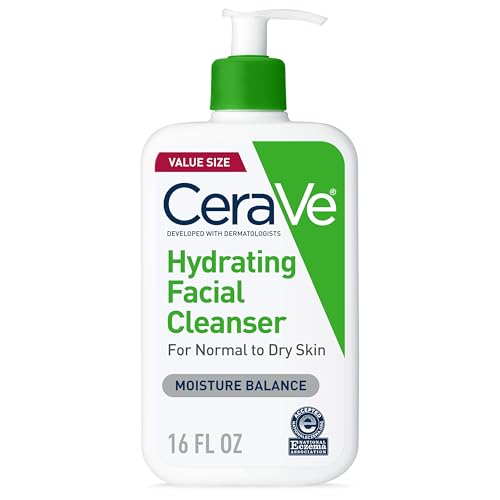
🛍️ Ready to Shop? Below are carefully selected products for sensitive skin, including gentle cleansers, soothing moisturizers, and protective sunscreens. These products are formulated with sensitive skin in mind and recommended by our experts. Each product has been vetted for common irritants and contains skin-soothing ingredients to calm and protect your complexion.
Remember, finding the right products for your sensitive skin is a journey. What works for someone else may not work for you. Start with a minimal routine, patch test everything, and give your skin time to adapt. With patience and the right products, you can achieve calm, comfortable, and healthy-looking skin.
For more tips, check out our guides on natural skincare for sensitive skin, how ceramides help, and top product recommendations.