Rosacea Skin Care: Calm Redness & Soothe Sensitive Skin
Discover dermatologist-backed strategies to manage rosacea flare-ups, reduce redness, and build a gentle, effective skincare routine tailored for sensitive, reactive skin.
Jump to Routine →🧴 What Is Rosacea & Why Does It Need Special Care?
Rosacea is a chronic inflammatory skin condition that primarily affects the face, causing persistent redness, visible blood vessels, and sometimes small, red, pus-filled bumps. It can be triggered by sun exposure, stress, spicy foods, alcohol, and harsh skincare ingredients. Because rosacea-prone skin has a compromised barrier, it requires a gentle, minimalist approach with ingredients that soothe rather than irritate. The right rosacea skin care routine can significantly reduce flare-ups and improve skin comfort.
If you have sensitive skin or struggle with redness, you may also benefit from our sensitive skin care guide and building a foundation routine.
Common Triggers & Quick Relief Tips
Sun Protection
Daily SPF 30+ is non-negotiable. Physical (mineral) sunscreens are best.
Avoid Irritants
Say no to alcohol, fragrances, and harsh exfoliants like salicylic acid.
Your Gentle Rosacea Skincare Routine
A successful rosacea routine is based on simplicity, hydration, and barrier repair. Below is a step-by-step guide designed to minimize irritation while maximizing skin health.
Step 1: Gentle Cleanser
Choose a milky or cream-based cleanser that doesn't foam. Avoid sulfates and physical scrubs. Double cleansing is usually too abrasive — stick to a single, gentle wash.
Related: double cleansing (not recommended for rosacea) · facial cleansers for sensitive skin
Step 2: Calming Toner or Essence
A hydrating, alcohol-free toner with ingredients like rose water or green tea can help soothe and prep the skin. Apply with clean hands — avoid cotton pads that can cause friction.
Explore: natural skincare · organic toners
Step 3: Anti-Redness Serum
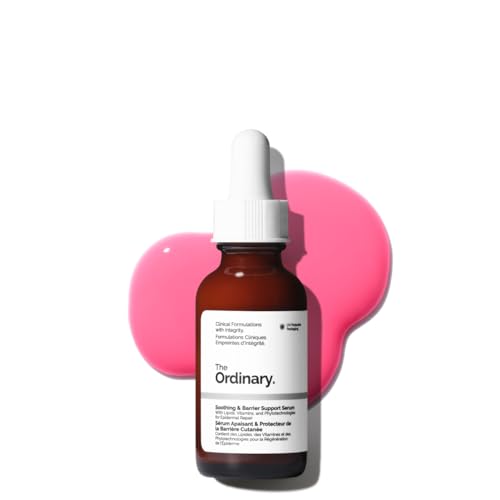
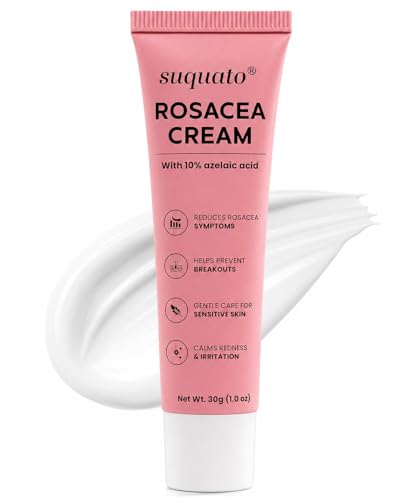
Look for serums with niacinamide (at low concentration), centella asiatica, or azelaic acid — these are clinically proven to reduce redness. Introduce one new product at a time and patch-test.
Related: serum guide · best serums for sensitive skin
Step 4: Barrier-Supporting Moisturizer
A fragrance-free moisturizer rich in ceramides, squalane, or shea butter helps repair the skin barrier. Apply to damp skin for better absorption.
See also: best moisturizers · dry skin routine
Step 5: Mineral Sunscreen (SPF 30+)
Physical sunscreens with zinc oxide or titanium dioxide are less irritating than chemical filters. Apply as the last step of your morning routine, and reapply if you're outdoors.
Browse: sunscreen guide · mineral sunscreens
Ingredients: Friends & Foes for Rosacea
✅ Embrace
- • Niacinamide (low %)
- • Centella Asiatica
- • Oat extract / Colloidal oatmeal
- • Squalane
- • Ceramides
❌ Avoid
- • Alcohol / Denatured alcohol
- • Fragrance / Essential oils
- • Salicylic acid (high %)
- • Glycolic acid
- • Physical scrubs
Lifestyle & Makeup Tips for Rosacea
Watch Your Diet
Spicy foods, hot drinks, and alcohol can trigger flushing. Keep a food diary to identify your triggers.
Mineral Makeup
Use mineral foundation with SPF. Green color correctors can neutralize redness before applying foundation.
🩺 When to Consult a Dermatologist
If over-the-counter products and lifestyle adjustments aren't improving your rosacea, or if you experience painful bumps, eye irritation (ocular rosacea), or thickening skin, seek professional advice. A dermatologist can prescribe topical metronidazole, azelaic acid, or oral antibiotics to manage inflammation. Never self-diagnose — proper diagnosis is key to effective treatment.
Also explore: sensitive skin care · sensitive skin products
Ready to Soothe Your Rosacea?
Discover dermatologist-recommended products that are gentle, effective, and designed for reactive skin. Start your calming routine today.
Shop Rosacea-Friendly Products ↓