Expert Guide: The Best Facial Cleanser for Oily Skin
Struggling with excess shine, enlarged pores, and frequent breakouts? The right facial cleanser is your first line of defense. This guide explains what to look for, key ingredients, and how to build a routine that keeps your skin balanced and clear.
Why a Specialized Cleanser Matters for Oily Skin
Oily skin produces excess sebum, which can lead to clogged pores, blackheads, and acne. A generic cleanser may strip your skin, causing it to produce even more oil to compensate. The best facial cleanser for oily skin removes impurities without over-drying, maintaining your skin’s natural barrier. Look for formulas that balance, purify, and soothe.
If you're new to managing oily skin, start with a consistent routine. For a complete approach, explore our comprehensive oily skin care guide.
Key Ingredients to Look For
Salicylic Acid
A beta-hydroxy acid (BHA) that penetrates pores to dissolve excess oil and dead skin. Ideal for preventing breakouts.
Glycolic Acid
An alpha-hydroxy acid (AHA) that gently exfoliates the surface, improving texture and brightness.
Niacinamide
Vitamin B3 that regulates sebum production, reduces redness, and strengthens the skin barrier.
Tea Tree Oil
Natural antibacterial properties help calm inflammation and fight acne-causing bacteria.
Many effective cleansers combine these ingredients. For a deeper dive into active components, check our guide to salicylic acid and hyperpigmentation treatments.
Types of Cleansers: Which One is Right for You?
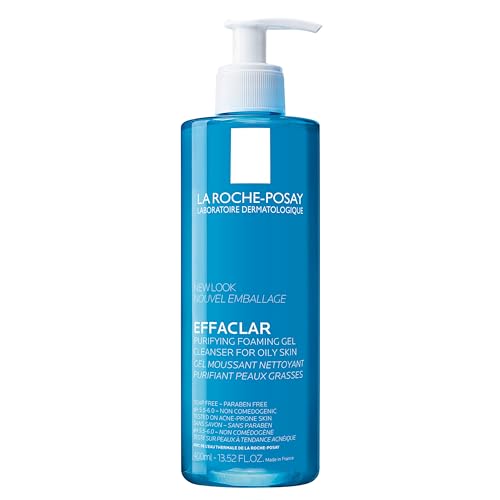
- Gel Cleansers: Lightweight and effective at cutting through oil. Great for daily use.
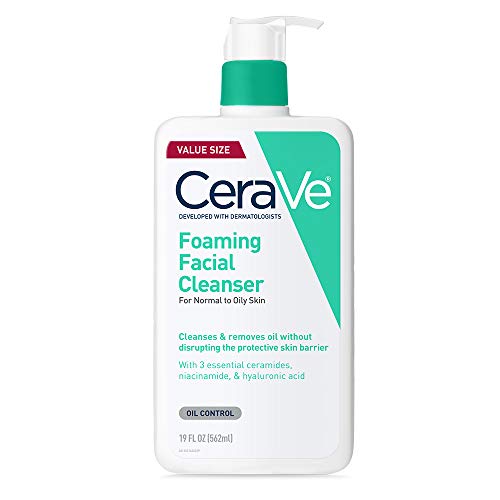
- Foaming Cleansers: Create a rich lather that removes excess sebum. Best for normal to oily skin.
- Clay-Based Cleansers: Absorb impurities and draw out toxins. Use 2–3 times a week.
- Micellar Water: Gentle yet effective for morning cleansing or as a first step in double cleansing.
If you have sensitive areas or occasional dryness, consider a sensitive skin care approach alongside your oily-skin products.
How to Use Your Facial Cleanser Correctly
- Double Cleanse: Start with an oil-based cleanser to remove makeup and sunscreen, then follow with your water-based cleanser. Learn the double cleansing method.
- Warm Water: Splash lukewarm water on your face — hot water strips natural oils.
- Gentle Massage: Apply a small amount and massage in circular motions for 30–60 seconds.
- Rinse Thoroughly: Remove all product to avoid residue that can clog pores.
- Pat Dry: Use a clean towel and pat (don’t rub) your skin.
Follow with a lightweight moisturizer even if you have oily skin. Skipping moisture can trigger more oil production. For a full routine, see our step-by-step skincare routine.
Beyond Cleansing: Extra Tips for Oil Control
- Use Blotting Papers: Great for midday shine without disturbing makeup. Check our best blotting papers.
- Incorporate a Toner: A balancing toner with niacinamide or witch hazel can refine pores.
- Exfoliate Weekly: Use a chemical exfoliant (AHA/BHA) 1–2 times a week to keep pores clear.
- Don't Over-Wash: Twice a day is enough. Over-washing irritates skin and increases oil.
For persistent acne, consider adding a retinol serum to your nightly routine (after cleansing).
Frequently Asked Questions
Can I use the same cleanser morning and night? Yes, but consider a gentle gel cleanser in the morning and a salicylic acid cleanser at night.
Is foaming cleanser bad for oily skin? No, many foaming cleansers are designed for oily skin. Just avoid those with sulfates that can be harsh.
Should I use a moisturizer after cleansing? Absolutely. Opt for oil-free, non-comedogenic moisturizers.
For more personalized advice, visit our getting started guide or contact us.
Ready to find your perfect cleanser? Browse our curated list of top-rated facial cleansers for oily skin below.