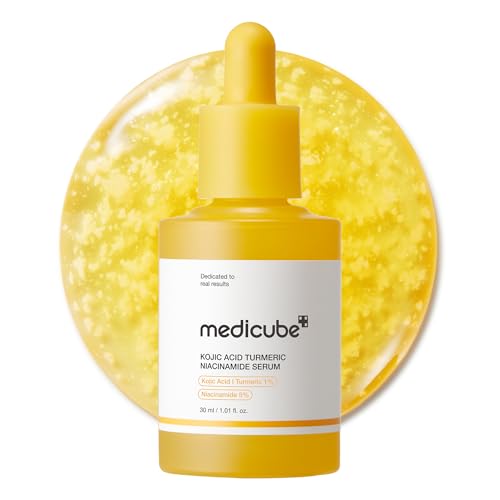
Understanding Hyperpigmentation: Causes & Effective Solutions
Discover what causes dark spots, uneven skin tone, and the best treatments to achieve a brighter, more even complexion.
What Is Hyperpigmentation?
Hyperpigmentation is a common, harmless skin condition where patches of skin become darker than the surrounding area. This occurs when an excess of melanin—the brown pigment that gives skin its color—forms deposits in the skin. Hyperpigmentation can affect people of all skin types and ages, and while it's not physically harmful, it can be a source of cosmetic concern for many.
Understanding the underlying causes of hyperpigmentation is the first step toward effective treatment. Whether you're dealing with sun-induced spots, hormonal changes, or post-inflammatory marks, there are proven solutions to help fade dark spots and restore a more even skin tone.
Did you know? Hyperpigmentation is one of the most common skincare concerns worldwide. With the right combination of active ingredients, sun protection, and consistent care, most types of hyperpigmentation can be significantly improved or even eliminated over time.
Types & Causes of Hyperpigmentation
There are several different types of hyperpigmentation, each with distinct causes and characteristics:
1. Sun-Induced Hyperpigmentation (Solar Lentigines)
Also known as sun spots, age spots, or liver spots, these are the most common form of hyperpigmentation. They develop over time due to cumulative sun exposure and are most commonly found on areas frequently exposed to the sun, such as the face, hands, shoulders, and décolletage. UV radiation stimulates melanocytes (pigment-producing cells) to produce excess melanin, leading to dark spots.
2. Post-Inflammatory Hyperpigmentation (PIH)
PIH occurs after skin inflammation or injury, such as acne, burns, cuts, or even aggressive cosmetic treatments. The skin produces excess melanin in response to the inflammation, leaving behind dark marks that persist long after the initial injury has healed. This type is particularly common in individuals with darker skin tones. If you struggle with acne-related dark spots, exploring skincare for acne-prone skin can help prevent future PIH.
3. Melasma
Melasma is a specific type of hyperpigmentation characterized by larger, symmetrical patches of brown or gray-brown pigmentation, typically on the face (cheeks, forehead, upper lip, and chin). It is often triggered by hormonal changes, including pregnancy, birth control pills, and hormone replacement therapy. Melasma is more common in women and often requires a combination of professional treatments and consistent skincare routines for management.
4. Freckles and Ephelides
Freckles are small, flat brown spots that appear on sun-exposed skin, particularly in individuals with fair skin and red hair. They are genetic but are triggered and darkened by sun exposure. While not a form of hyperpigmentation that requires treatment, they can be lightened with proper sun protection and skin brightening products.
Key Takeaway: Identifying the type of hyperpigmentation you have is essential for choosing the most effective treatment approach. What works for sun spots may not be as effective for melasma or PIH.
How to Treat Hyperpigmentation Effectively
Treating hyperpigmentation requires patience and a multi-faceted approach. The most effective strategy combines sun protection, active ingredients that target pigmentation, and consistent skincare. Here's what you need to know:
Step 1: Sun Protection Is Non-Negotiable
Sun exposure is the number one aggravator of all forms of hyperpigmentation. Without proper sun protection, no treatment will be effective. Use a broad-spectrum sunscreen with SPF 50+ daily, even on cloudy days. Reapply every two hours when outdoors. Consider using a mineral sunscreen with zinc oxide or titanium dioxide for gentler, non-chemical protection, especially if you have sensitive skin.
Step 2: Incorporate Targeted Active Ingredients
The following ingredients have been clinically proven to help fade hyperpigmentation and brighten the skin:
Vitamin C
Powerful antioxidant that inhibits melanin production and brightens skin. Look for Vitamin C serums with L-ascorbic acid.
Retinoids
Promotes cell turnover, helping to fade dark spots and even skin tone. Retinol and prescription retinoids are highly effective.
Niacinamide
Vitamin B3 that reduces melanin transfer to skin cells, brightens, and strengthens the skin barrier.
Alpha Hydroxy Acids (AHAs)
Exfoliate the skin surface, removing pigmented cells and promoting new, brighter skin growth.
Tranexamic Acid
Helps reduce melasma and stubborn dark spots by inhibiting melanin production pathways.
Licorice Extract
A natural brightening agent that helps even out skin tone and reduce pigmentation.
Step 3: Build a Consistent Skincare Routine
Consistency is key when treating hyperpigmentation. Build a routine that includes gentle cleansing, targeted treatments (serums with active ingredients), moisturizing, and daily sun protection. For best results, consider:
- Cleanse: Use a gentle, non-stripping cleanser to prepare the skin for treatment.
- Tone: Apply a toner with brightening ingredients like niacinamide or licorice extract.
- Apply Treatment: Use a vitamin C serum in the morning and a retinol or hyaluronic acid-based serum at night.
- Moisturize: Lock in hydration with a moisturizer suitable for your skin type.
- Protect: Always finish your morning routine with sunscreen.
Pro Tip: Introduce active ingredients gradually to avoid irritation. Start with lower concentrations and increase frequency as your skin builds tolerance. If you have sensitive skin, consider using skincare for sensitive skin to minimize reactions.
Lifestyle Changes That Support Skin Brightening
In addition to your topical skincare routine, several lifestyle factors can influence your skin's health and pigmentation. Incorporating these habits can enhance your results:
- Sun Avoidance: Limit sun exposure during peak hours (10 AM – 4 PM) and wear protective clothing, hats, and sunglasses.
- Diet: A diet rich in antioxidants can help protect the skin from free radical damage. Foods high in vitamin C, vitamin E, and beta-carotene are particularly beneficial.
- Hydration: Keeping your skin well-hydrated supports its natural barrier function and promotes a healthy glow.
- Stress Management: Chronic stress can trigger hormonal imbalances that may worsen melasma. Explore stress management techniques such as meditation, journaling, or yoga.
- Sleep: Quality beauty sleep is essential for skin repair and regeneration.
Remember, hyperpigmentation often takes time to fade—typically 3 to 6 months of consistent care before you see significant improvement. Patience and persistence are your best allies.
Professional Treatments for Stubborn Hyperpigmentation
For some, over-the-counter products may not be enough to address severe or stubborn hyperpigmentation. In such cases, professional treatments performed by a dermatologist or licensed aesthetician can offer faster and more dramatic results:
- Chemical Peels: Professional-strength peels with glycolic acid, salicylic acid, or TCA can accelerate exfoliation and lighten pigmentation.
- Laser Therapy: Targeted laser treatments can break up melanin deposits and promote even skin tone. This is particularly effective for sun spots and melasma.
- Microdermabrasion: A minimally invasive procedure that exfoliates the outer layer of skin, helping to fade superficial pigmentation.
- Intense Pulsed Light (IPL): IPL therapy uses broad-spectrum light to target pigment in the skin, effectively reducing sun spots and freckles.
- Prescription Treatments: Topical prescription medications such as hydroquinone or tretinoin are powerful options for severe hyperpigmentation, but must be used under medical supervision.
Important: Always consult a qualified dermatologist before undergoing any professional treatment. They can assess your skin type, identify the underlying cause of your hyperpigmentation, and recommend the safest, most effective approach for your unique needs.
Your Path to a Brighter, Even Complexion
Hyperpigmentation is a common and treatable skin concern. With the right knowledge, consistent skincare, and the best products designed to target dark spots, you can achieve the even, radiant skin you deserve. Start by understanding your skin type and the specific type of hyperpigmentation you're dealing with, then build a routine that incorporates sun protection, active ingredients, and nourishing care.
Explore the recommended products below—carefully selected to address hyperpigmentation and support your skin brightening journey. Each product is formulated with clinically proven ingredients to help you see real results.
Ready to take the next step? Browse our curated selection of top-rated products for hyperpigmentation, or dive deeper into our complete skincare routine guides to build a personalized plan.