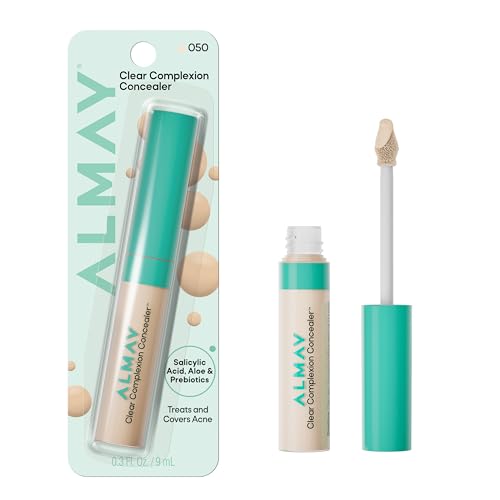
Non-Comedogenic Concealer: Full Coverage Without Breakouts
Struggling to find a concealer that covers blemishes, dark circles, and redness without causing new breakouts? You're not alone. The right non-comedogenic concealer can give you flawless coverage while keeping your pores clear. In this guide, we break down everything you need to know — from ingredients to application — so you can choose with confidence.
Why Non-Comedogenic Matters
If you have acne-prone skin or sensitive skin, you know the struggle: you want coverage, but most concealers leave you with clogged pores and fresh breakouts. Non-comedogenic products are formulated to avoid pore-clogging ingredients, making them the safest choice for blemish-prone and oily skin types.
💡 Did You Know? The term "non-comedogenic" isn't strictly regulated. Always check the ingredient list for common culprits like isopropyl myristate, coconut oil, and certain silicones if you're prone to congestion.
What to Look For
🌿 Oil-Free Formula
Oil-free concealers are less likely to clog pores. Look for water-based or gel-based textures.
🧪 Non-Comedogenic Ingredients
Salicylic acid, niacinamide, and hyaluronic acid are great additions that treat and hydrate without congestion.
🎨 Buildable Coverage
Buildable coverage lets you layer without caking — perfect for concealing active breakouts and dark spots.
💧 Lightweight Texture
Heavy, thick concealers often contain pore-clogging waxes. Lightweight liquids or serums are usually safer.
How to Choose the Right Non-Comedogenic Concealer
With so many options on the market, it can be overwhelming. Here's a step-by-step approach to finding your perfect match:
- Check the Label: Look for "non-comedogenic" and "oil-free" on the packaging. However, don't stop there — read the full ingredient list.
- Know Your Skin Type: If you have oily skin, choose a mattifying formula. For dry skin, opt for a hydrating, non-comedogenic concealer that won't settle into fine lines.
- Test Before You Commit: Many brands offer sample sizes or testers. Apply a small amount on your jawline and wear it for a day to see how your skin reacts.
- Consider Your Coverage Needs: For blemishes and redness, a high-coverage concealer works best. For dark circles, a lighter, brightening formula may be more suitable.
Application Tips for Blemish-Prone Skin
Even the best non-comedogenic concealer can cause issues if applied incorrectly. Follow these tips for a flawless, breakout-free finish:
✅ Prep Your Skin: Always start with a clean, moisturized face. Use a non-comedogenic primer to create a smooth base. This prevents the concealer from settling into pores and fine lines.
✅ Use Clean Tools: Dirty brushes and sponges harbor bacteria that can trigger breakouts. Wash your applicators regularly.
✅ Layer Wisely: Apply thin layers and build up coverage only where needed. This reduces the risk of product buildup that can clog pores.
✅ Set with Powder: Use a lightweight, non-comedogenic setting powder to lock the concealer in place, especially if you have oily skin.
Key Ingredients to Embrace & Avoid
Understanding the ingredient list is your superpower. Here's a quick guide:
- ✅ Salicylic Acid: A BHA that exfoliates inside the pore, helping to treat and prevent breakouts.
- ✅ Niacinamide: Soothing and anti-inflammatory, it reduces redness and regulates oil production.
- ✅ Hyaluronic Acid: Hydrates without clogging pores — essential for maintaining skin barrier health.
- ❌ Isopropyl Myristate: A common ester that is highly comedogenic for many people.
- ❌ Coconut Oil & Shea Butter: While great for dry skin, these can be problematic for acne-prone complexions.
- ❌ Heavy Silicones: Some silicones (like dimethicone) can trap oil and debris, leading to congestion.
Best Non-Comedogenic Concealers by Skin Type
For Oily & Acne-Prone Skin
Look for oil-free, mattifying formulas with a lightweight, liquid consistency. Ingredients like salicylic acid or tea tree oil can be a bonus. Avoid creamy, stick-based concealers that often contain heavy waxes.
Pro Tip: Set your concealer with a translucent, oil-absorbing powder to keep shine at bay all day.
For Dry & Sensitive Skin
Opt for hydrating, serum-based concealers that contain hyaluronic acid or ceramides. These provide moisture without the risk of clogging pores. Avoid matte formulas that can emphasize dry patches.
Pro Tip: Apply with a damp sponge for a dewy, natural finish.
For Combination Skin
A balancing, medium-coverage concealer works best. Look for a "natural finish" that isn't too matte or too dewy. Ingredients like niacinamide help regulate oil in the T-zone while keeping cheeks comfortable.
Pro Tip: Use a mattifying primer in the T-zone and a hydrating one on the cheeks for balanced wear.
Your Next Steps
Choosing a non-comedogenic concealer is a crucial step in maintaining clear, healthy skin while achieving the coverage you desire. Remember to check ingredient labels, patch-test new products, and listen to your skin.
Still unsure? Our getting started guide offers more tips for building a skincare routine that works with your makeup. And if you experience persistent breakouts, consider consulting a dermatologist.
💡 Ready to Buy? The product recommendations below are all non-comedogenic, vetted by our team. We've included a mix of formulas for different skin types and coverage needs. Each product has been carefully selected to help you achieve a flawless, clear complexion.