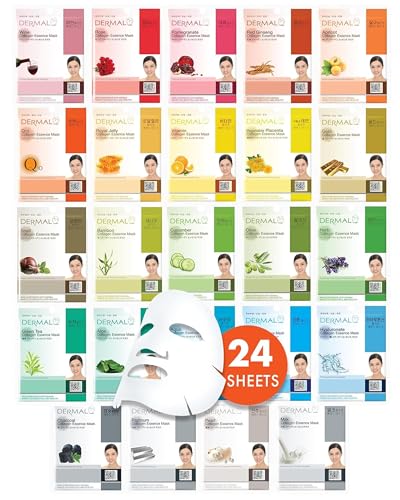
Face Mask Skin Care: The Complete Guide to Glowing, Healthier Skin
Understand the different types of face masks, who they are for, and how to build a mask routine that actually delivers results — without overdoing it.
Explore Face Mask TypesThe short version: A face mask is a concentrated treatment designed to deliver specific ingredients — hydration, exfoliation, soothing, or oil control — in a short, focused session. Used correctly, masks complement your daily routine and give your skin a targeted boost. Used incorrectly, they can irritate or dehydrate. This guide explains the science, the types, and the best practices so you can choose wisely.
Why Face Mask Skin Care Deserves a Place in Your Routine
Daily skincare is built for maintenance: cleanse, treat, moisturize, protect. A face mask is different — it is an intensive, time-limited treatment that floods the skin with a higher concentration of active ingredients than a leave-on product typically delivers. That is why a well-chosen mask can produce a visible glow, a smoother texture, or a calmer complexion within minutes.
The key word is targeted. A clay mask and a hydrating sheet mask solve opposite problems. Choosing the right one for your skin's current state — not just your skin "type" — is what separates an effective mask routine from a wasted one. If you are still building your foundational regimen, start with our getting started guide before layering in masks.
Masks also fit naturally into a self-care routine. The ritual of applying a mask forces a pause, and the visible result reinforces consistency — two things that make any skincare habit more sustainable.
The Main Types of Face Masks (and What Each One Does)
Face masks are usually classified by their delivery format and their primary function. Most products combine two or three benefits, but one function usually dominates. Here is how the major categories compare.
Sheet Masks
A fabric or hydrogel sheet saturated with serum. It creates a semi-occlusive seal that pushes ingredients into the skin and limits evaporation.
Best for: quick hydration, dull or dehydrated skin, pre-event glow. Typically entry-level to mid-range.
Clay & Mud Masks
Mineral-rich clays absorb excess sebum and draw out impurities as they dry. Kaolin is gentle; bentonite is stronger and more absorbent.
Best for: oily and combination skin, congested pores, T-zone shine. Often budget-friendly to mid-tier.
Peel-Off Masks
Form a film that is peeled away, physically lifting dead surface cells. Some formulas also include mild acids for chemical exfoliation.
Best for: textured or dull skin without sensitivity. Use sparingly — mid-range to premium formulas tend to be gentler.
Cream & Gel Masks
Rinse-off or leave-on formulas built around ceramides, aloe, panthenol, or colloidal oatmeal. They calm redness and reinforce the barrier.
Best for: dry, sensitive, or reactive skin. Widely available from affordable to luxury tiers.
Overnight Masks
Thicker leave-on treatments applied as the last step of the evening routine. They work slowly while you sleep.
Best for: dryness and barrier repair. Mid-range to premium formulas are common.
Combination Approach
Applying different masks to different zones — clay on the T-zone, hydrating cream on the cheeks — in a single session.
Best for: combination skin. Requires two products; keep both from the same or adjacent tiers for balance.
Practical tip: A mask should match your skin's condition today, not your permanent skin type. Oily skin can be dehydrated after travel or winter heating; dry skin can get congested during humid months. Read your skin before choosing the mask.
How Face Mask Quality Tiers Compare
Face masks sit across a wide quality spectrum. Instead of chasing a specific number, it helps to understand what changes as you move up the tiers. The comparison below uses relative tier descriptors so it stays useful over time.
| Tier | Typical Characteristics | Ingredient Quality | Best Suited For |
|---|---|---|---|
| Entry-level / Budget-friendly | Simple formats, often single-use sheet masks or basic clay tubes. Fewer actives, shorter ingredient lists. | Standard humectants, basic clays, minimal fragrance control. | Beginners, occasional use, testing whether a format suits you. |
| Mid-range | Better texture and adherence, more considered formulas, often multi-benefit. | Added ceramides, niacinamide, stable vitamin C derivatives, fragrance-free options. | Regular routines, combination skin, targeted concerns. |
| Premium | Refined delivery systems, clinical-style testing, elegant textures that stay comfortable. | Encapsulated actives, peptides, fermented ingredients, dermatologist-tested claims. | Specific concerns like barrier repair, post-procedure soothing, mature skin. |
| Luxury | Rare or patented ingredients, sensorial experience, premium packaging and sourcing. | High concentrations of signature actives, exclusive complexes. | Those seeking a ritual experience alongside results; not required for effectiveness. |
Note: Higher tiers are not automatically better for your skin. A mid-range soothing mask can outperform a luxury exfoliating mask if your barrier is compromised.
How to Use a Face Mask Correctly: Step by Step
Application technique matters as much as the formula. Follow this sequence for the best results and the lowest risk of irritation.
- Cleanse first. Start with a clean face using a gentle cleanser. Remove makeup completely; residue blocks absorption. If you use a cleansing device, keep it gentle — see our facial cleansing brush guide for technique.
- Prep with toner (optional). A hydrating toner can prime damp skin so the mask spreads evenly. Avoid toners with high alcohol content before a mask.
- Apply evenly — avoid the eye area. Use a face mask brush for clay and cream masks; it gives a more even layer and keeps fingers out of the jar. Leave a margin around the eyes and lips unless the product says otherwise.
- Respect the time limit. Never leave a rinse-off mask on longer than directed. Clay masks should be removed while still slightly tacky — letting them fully crack pulls moisture from the skin.
- Rinse with lukewarm water. Hot water strips oils and can trigger redness, especially after an exfoliating mask.
- Follow with moisturizer. A mask is a treatment, not a moisturizer. Seal it in with your usual moisturizer — see our guide to moisturizers for combination skin if you are unsure what to pair it with.
- Finish with SPF in the morning. If you use an exfoliating or resurfacing mask during the day, sun protection is non-negotiable. Browse sunscreen options if you need a daily formula.
How Often Should You Use a Face Mask?
Frequency depends on the mask type and your skin's tolerance. These are practical starting points, not rigid rules:
- Hydrating sheet or cream masks: two to three times per week. Gentle enough for most skin types.
- Clay masks: once or twice per week for oily and combination skin; once weekly or less for dry skin, and only on the T-zone.
- Exfoliating and peel-off masks: once per week at most. If your skin stings or turns red, reduce frequency.
- Overnight masks: two to three nights per week, or as a substitute for your night moisturizer on those nights.
A simple schedule works well: a hydrating mask mid-week and a purifying or exfoliating mask on the weekend. Avoid stacking multiple strong masks on consecutive days. If you use glycolic acid exfoliators or retinol, space them out from exfoliating masks to protect the barrier.
Key Ingredients to Look For (and What They Do)
Reading the ingredient list is the fastest way to know whether a mask will actually help. These are the actives worth understanding:
- Hyaluronic acid and glycerin: humectants that draw water into the skin. Ideal for dehydrated, tight-feeling skin.
- Kaolin and bentonite clay: absorb excess oil and lift impurities. Best for congested, shiny skin.
- Niacinamide: supports the barrier, balances oil, and reduces the look of redness. A reliable all-rounder.
- Ceramides and panthenol: barrier-repairing ingredients for sensitive or compromised skin.
- Vitamin C and its derivatives: antioxidant support and brightness. Look for stable, well-packaged formulas.
- Aloe vera and green tea: soothing botanicals that calm reactive skin. See our guides to aloe vera and green tea skincare for more.
- Salicylic acid: oil-soluble exfoliant that helps clear pores. Common in clay and peel-off masks for acne-prone skin.
If you prefer plant-derived formulas, our herbal skincare and organic face mask guides cover what to expect from natural ingredient profiles. For DIY options, see our DIY face mask recipes — just patch-test first.
Common Face Mask Mistakes to Avoid
- Leaving clay masks on until they crack. Over-drying pulls water from the skin and can cause irritation. Remove while slightly tacky.
- Using strong masks too often. More is not better. Over-masking is a common cause of a damaged barrier and reactive skin.
- Skipping the patch test. Apply a small amount to the jawline or inner arm and wait 24 hours, especially with new actives or fragranced formulas.
- Using expired sheet masks. Check the expiry date; expired preservatives can allow bacterial growth.
- Reusing single-use masks. Sheet masks are single-use for a reason — bacteria and reduced efficacy.
- Ignoring your skin's feedback. If a mask stings beyond a mild tingle, rinse it off. Stinging is not a sign that it is "working."
Ready to Build a Face Mask Routine That Fits Your Skin?
Start with one mask that matches your skin's current condition, use it consistently for a month, and adjust from there. Below are recommended face masks across quality tiers — curated for different skin concerns.
See Recommended Face MasksFrequently Asked Questions About Face Mask Skin Care
A final note: Face masks are a supportive treatment, not a cure for skin conditions. If you have persistent acne, rosacea, eczema, or unexplained irritation, consult a dermatologist. For educational context on how masks fit into wider routines, see our face mask hub and our face mask brush guide for application tools.