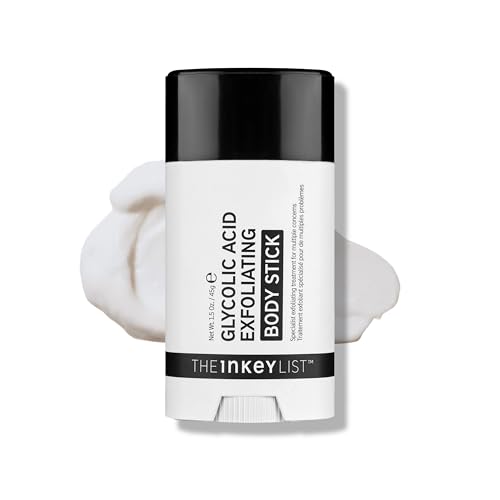
Glycolic Acid Exfoliator: The Complete Guide to Smoother, Brighter Skin
Understand how this powerful AHA resurfaces skin, fades dark spots, and refines texture — plus how to choose the right strength and use it safely.
Why this guide matters: If you are researching a glycolic acid exfoliator before buying, you likely already know it is one of the most studied alpha-hydroxy acids in skincare. What you need now is clarity: which strength suits your skin, how often to use it, and how to avoid the irritation that gives acids a bad reputation. This guide answers those questions in plain language so you can purchase with confidence.
What a Glycolic Acid Exfoliator Actually Does
Glycolic acid is the smallest molecule among the alpha-hydroxy acids, which allows it to penetrate the skin more readily than lactic or mandelic acid. Rather than scrubbing away dead cells with abrasion, a glycolic acid exfoliator dissolves the bonds that hold dull, pigmented surface cells together. This process, known as chemical exfoliation, reveals fresher skin beneath and signals the skin to accelerate its natural renewal cycle.
Because it works at the surface and slightly below it, glycolic acid sits at the intersection of exfoliation and treatment. It is not simply a polish — it influences how skin renews itself over time. That is why dermatologists often recommend it for texture concerns, dullness, and early signs of photoaging. If you are new to acids entirely, it helps to first understand how exfoliation fits into a broader beginner-friendly skincare approach before layering in actives.
Key Benefits Backed by Skincare Science
Consistent, well-tolerated use of a glycolic acid exfoliator delivers several measurable improvements. The benefits below reflect the most commonly reported outcomes in skincare research and user experience.
Smoother Texture
Dissolving dead surface cells reduces roughness and softens the appearance of fine lines, leaving skin noticeably smoother to the touch.
Faded Dark Spots
Accelerated turnover helps shed pigmented cells, gradually lightening post-acne marks and sun-induced discoloration over several weeks.
Brighter Radiance
Removing the dull outer layer reveals fresher skin that reflects light more evenly, restoring a healthy, rested glow.
Clearer Pores
By keeping the follicle lining free of buildup, glycolic acid helps reduce the appearance of congested pores and minor breakouts.
These benefits compound when glycolic acid is paired with supportive hydration. Many users find that a hydrating face serum applied after exfoliation helps maintain the moisture barrier and prevents the tight, flaky feeling that sometimes follows acid use. Similarly, a well-formulated moisturizer suited to oily skin can balance the exfoliating effect without adding heaviness.
Understanding Strength Tiers and Formulations
The most important buying decision is not brand — it is strength and formulation. Glycolic acid exfoliators are generally grouped into tiers that reflect their relative position in the market and their intensity. Use the table below to match a tier to your experience level rather than to any specific figure.
| Strength Tier | Typical User | What to Expect |
|---|---|---|
| Entry-level / Gentle | First-time acid users, sensitive skin | Milder resurfacing, lower irritation risk, suited to once or twice weekly use |
| Mid-range | Users with prior acid experience | More noticeable smoothing and glow, requires gradual introduction |
| Premium / Clinical-style | Experienced users with resilient skin | Intensive resurfacing, best used under guidance or with careful spacing |
| Luxury / Treatment-grade | Advanced users seeking maximum results | Highest resurfacing potential, demands strict sun protection and barrier care |
Formulation matters as much as concentration. A mid-range glycolic acid exfoliator buffered with soothing agents may feel gentler than a bare entry-level solution. Look for supporting ingredients such as aloe, green tea extract, or aloe vera that temper the exfoliating effect while maintaining efficacy.
Editorial note: Higher strength is not automatically better. Many skincare professionals recommend staying at the lowest effective tier for as long as it continues to deliver results, only moving up when progress plateaus.
Matching Glycolic Acid to Your Skin Type
Oily and Acne-Prone Skin
Glycolic acid is particularly useful here because it helps keep pores clear and reduces the buildup that contributes to congestion. A mid-range exfoliator used two to three times weekly, paired with a lightweight gentle face wash for oily skin, often produces visible improvement in texture and clarity.
Dry and Dehydrated Skin
Dry skin can benefit from glycolic acid, but only when hydration is prioritized. Choose an entry-level tier and buffer with a rich moisturizer for dry skin. If stinging persists, step down to a gentler exfoliator for dry skin before returning to glycolic acid later.
Combination Skin
Combination skin usually tolerates a mid-range tier well when applied evenly and followed with a balancing moisturizer for combination skin. Pay attention to the oily zone first — if it tolerates the acid, the drier areas likely will too.
Sensitive Skin
Approach with caution. Start with the lowest tier available, perform a patch test, and consider a cleanser for sensitive skin alongside a face cream for sensitive skin to support the barrier. If redness or stinging persists beyond a few minutes, discontinue.
How to Build a Safe, Effective Routine
A glycolic acid exfoliator works best as part of a deliberately sequenced routine. The following sequence reflects the approach most dermatologists recommend for at-home use.
- Cleanse gently. Use a non-stripping cleanser such as a gentle face cleanser to prepare skin without compromising the barrier.
- Apply to dry skin. Water increases penetration and irritation — wait until skin is fully dry before applying the acid.
- Use a thin, even layer. A pea-sized amount is typically sufficient for the full face; avoid the eye area and any compromised skin.
- Wait, then hydrate. Allow a few minutes for absorption, then follow with a hydrating toner for dry skin or a serum to replenish moisture.
- Seal with moisturizer. A supportive moisturizer maintains the barrier while the acid works overnight.
- Protect in the morning. Glycolic acid increases photosensitivity — a broad-spectrum sunscreen is non-negotiable the next day.
For most users, two to three evening applications per week is the sustainable sweet spot. If you are also using a face mask or other actives, alternate nights rather than layering them in the same session.
Common Mistakes That Cause Irritation
- Starting too strong too fast. Jumping straight to a premium tier is the most frequent cause of redness and peeling.
- Applying to damp skin. Wet skin absorbs acids more aggressively, increasing the chance of stinging.
- Skipping sunscreen. Without daily protection, any pigmentation improvement can reverse quickly.
- Over-exfoliating. Combining a glycolic acid exfoliator with scrubs, retinoids, or other acids in the same routine overloads the barrier.
- Ignoring the barrier. Consistent use of a supportive nourishing face oil or moisturizer helps skin recover between sessions.
What to Look for When Buying
When comparing products, focus on four factors: strength tier, formulation support, packaging, and your own experience level. A well-packaged, opaque bottle protects the acid from light degradation. A formulation that includes soothing agents reduces the risk of irritation. And a tier that matches your experience level prevents the most common beginner mistake.
If you are building a full routine around the exfoliator, consider how it fits with a minimalist skincare approach — fewer, better-chosen products often outperform a crowded shelf. Users who prefer botanical-leaning formulas may also explore natural beauty options or clean beauty guidance when selecting supportive products.
Frequently Asked Questions
How often should I use a glycolic acid exfoliator?
Beginners should start once or twice per week, then gradually increase to three times weekly if the skin tolerates it well. Daily use is only appropriate for low-strength formulations and resilient skin types. Always monitor for irritation and reduce frequency if sensitivity appears.
Can glycolic acid exfoliators fade dark spots?
Yes. Glycolic acid accelerates cell turnover, which helps shed pigmented surface cells and gradually fades post-acne marks, sun spots, and uneven tone. Consistent use over several weeks, combined with daily sunscreen, delivers the best results.
Should I use glycolic acid in the morning or at night?
Evening application is recommended because glycolic acid increases photosensitivity. Applying it at night gives skin time to recover, and you must wear broad-spectrum sunscreen the following morning to protect against UV damage.
What percentage of glycolic acid is best for beginners?
Beginners should start with formulations in the low-strength range, typically around 5 to 8 percent. Higher concentrations are better suited to experienced users with resilient skin and should be introduced gradually after the skin has adapted.
Can I use glycolic acid with retinol?
They can be used together, but not in the same routine layer. Alternate nights is the safest approach, or apply glycolic acid in the evening and retinol on other nights. Combining them in one session may cause irritation for many skin types.
Still deciding whether acids are right for you? Reading a broader skincare overview can help you place glycolic acid within a routine that also addresses hydration, protection, and barrier support. If you have a diagnosed skin condition or are using prescription topicals, consult a dermatologist before introducing a new exfoliating acid.