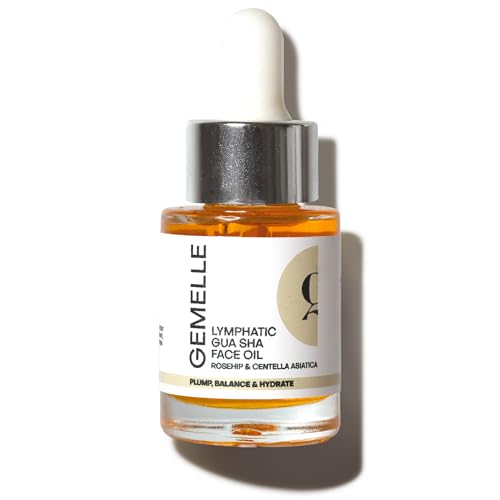
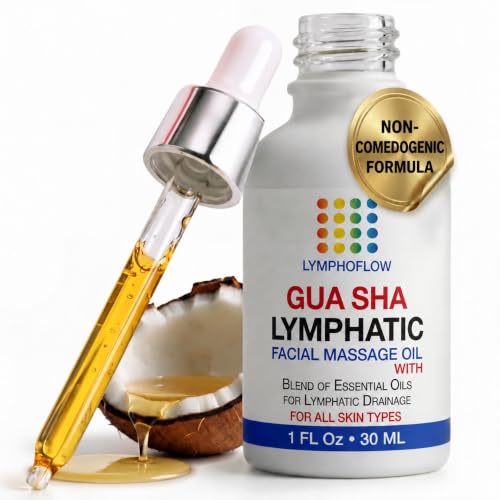
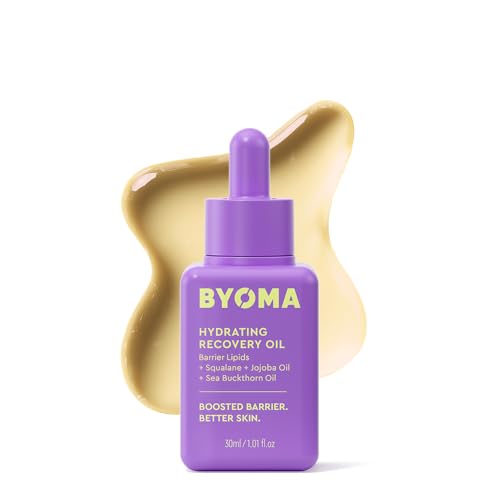
Face Oil for Gua Sha: The Complete Guide to Choosing and Using the Right Oil
Learn which face oils work best with your gua sha tool, how to apply them for maximum benefit, and how to build a routine that leaves your skin glowing and sculpted.
EXPLORE GUA SHA TOOLSWhy Face Oil Matters for Gua Sha: Gua sha works by gently scraping and massaging the skin to promote circulation, reduce puffiness, and encourage lymphatic drainage. Without proper lubrication, the tool can drag on the skin, causing irritation and undermining the benefits. A high-quality face oil provides the essential slip that makes each stroke smooth, comfortable, and effective.
What Is Gua Sha and Why Pair It with Face Oil?
Gua sha is a traditional Chinese medicine technique that involves using a smooth-edged tool—typically made of jade, rose quartz, or stainless steel—to gently scrape and massage the skin. In modern skincare, gua sha has become a popular facial massage method for promoting lymphatic drainage, reducing facial puffiness, boosting blood circulation, and encouraging a more sculpted appearance. If you are new to this practice, our guide to the gua sha tool explains the different materials and shapes available.
The friction created between the tool and your skin is significant. Without a lubricating layer, the gua sha stone will tug, pull, and potentially damage the skin barrier. Face oil solves this by creating a smooth, gliding surface that allows the tool to move effortlessly across your face. The right oil also delivers nutrients and moisture while you massage, turning a simple gua sha session into a complete skincare treatment.
Beyond lubrication, face oil helps the gua sha tool maintain consistent contact with the contours of your face. Oils with the right viscosity stay in place long enough for a full routine—typically five to ten minutes—without absorbing so quickly that you need to reapply. This balance is what makes certain oils far better suited to gua sha than others.
Key Qualities of an Ideal Face Oil for Gua Sha
Not every face oil works well with gua sha. The ideal oil needs to meet several criteria to ensure a comfortable, effective, and skin-friendly experience.
- Sufficient slip: The oil must allow the tool to glide without dragging. Oils that are too thin absorb too quickly, while oils that are too thick can feel heavy and clog pores.
- Non-comedogenic: Since gua sha involves massaging the oil into the skin, choosing a non-comedogenic formula helps prevent clogged pores and breakouts, especially for those with acne-prone skin.
- Slow absorption: The oil should remain on the skin long enough to complete a full gua sha routine without needing constant reapplication.
- Skin-friendly ingredients: Look for oils rich in fatty acids, antioxidants, and vitamins that nourish the skin during the massage.
- Fragrance-free or lightly scented: Especially for sensitive skin, avoiding synthetic fragrances and essential oils reduces the risk of irritation.
Best Face Oils for Gua Sha by Skin Type
The best oil for your gua sha routine depends largely on your skin type. Below is a breakdown of the most recommended oils and who they suit best. For those interested in natural and organic options, our organic face oil guide provides additional recommendations.
| Oil | Best For | Key Characteristics |
|---|---|---|
| Jojoba Oil | All skin types, especially oily and acne-prone | Lightweight, mimics skin's natural sebum, non-comedogenic, excellent slip |
| Squalane | All skin types, including sensitive | Weightless, stable, non-irritating, absorbs slowly enough for gua sha |
| Rosehip Oil | Dry, mature, and dull skin | Rich in vitamin C and fatty acids, promotes glow, medium viscosity |
| Grapeseed Oil | Oily and combination skin | Very light, non-greasy, good slip, contains antioxidants |
| Sweet Almond Oil | Normal to dry skin | Nourishing, medium weight, good glide, gentle on sensitive skin |
| Marula Oil | Dry and mature skin | Premium oil, rich in antioxidants, lightweight but deeply nourishing |
| Argan Oil | Dry and normal skin | Mid-range to premium, rich in vitamin E, good slip, slightly heavier |
For Oily and Acne-Prone Skin
Jojoba oil and squalane are the top choices for oily and acne-prone skin. Both are lightweight, non-comedogenic, and closely resemble the skin's natural oils, which means they lubricate without clogging pores. Grapeseed oil is another excellent budget-friendly option that provides good slip without a heavy residue. Avoid coconut oil, which is highly comedogenic and can trigger breakouts. If you also use a facial cleanser for sensitive skin, consider a gentle, non-stripping formula to remove the oil thoroughly after your routine. Our guide to facial cleanser for sensitive skin offers helpful recommendations.
For Dry and Mature Skin
Dry and mature skin benefits from richer oils that deliver deep nourishment along with lubrication. Rosehip oil, marula oil, and argan oil are excellent choices. These oils are packed with essential fatty acids and antioxidants that help improve skin elasticity and reduce the appearance of fine lines. If you prefer a more targeted approach, explore our guide to organic serum for additional layering options. For those dealing with sensitivity, our recommendations for face cream for sensitive skin can complement your gua sha routine.
For Sensitive Skin
Sensitive skin requires extra caution. Squalane and jojoba oil are the safest bets because they are fragrance-free, hypoallergenic, and well-tolerated by most skin types. Avoid oils with added essential oils, synthetic fragrances, or preservatives. Always perform a patch test on your inner arm before applying a new oil to your face. If you are also looking for a moisturizer that works well with sensitive skin, see our guide to face moisturizer for dry sensitive skin.
For Combination Skin
Combination skin needs a balanced oil that hydrates dry areas without overwhelming the oily zones. Jojoba oil, squalane, and grapeseed oil are all excellent choices. These oils provide enough slip for gua sha while being light enough not to exacerbate shine in the T-zone. If you also use a toner, our guide to face toner for dry skin can help you find a product that balances your skin without stripping it.
How to Apply Face Oil Before Gua Sha
Applying the oil correctly is just as important as choosing the right one. Follow these steps for a smooth and effective gua sha session:
- Start with clean skin: Remove makeup and impurities with a gentle cleanser. Pat your face dry with a soft towel.
- Warm a few drops of oil: Dispense three to five drops of face oil into your palms and rub your hands together to warm the oil.
- Press, don't rub: Gently press the oil into your face and neck using your palms. Avoid dragging or tugging the skin.
- Ensure even coverage: Make sure the oil covers every area you plan to gua sha, including the jawline, cheeks, forehead, and neck.
- Begin your gua sha routine: Start with gentle strokes, using light pressure. The tool should glide effortlessly; if it drags, apply more oil.
- Cleanse after: Once you finish, cleanse your face to remove excess oil, then follow with your regular skincare routine.
Pro Tip: If you have a jade roller or a face lifting device, you can use the same face oil to lubricate your skin before those treatments as well. The oil works equally well with any facial massage tool.
Common Mistakes to Avoid When Using Face Oil with Gua Sha
- Using too little oil: Insufficient lubrication is the most common mistake. If you feel the tool dragging, stop and add more oil immediately.
- Using the wrong oil: Heavy, comedogenic oils like coconut oil can clog pores and cause breakouts. Stick to lightweight, non-comedogenic options.
- Skipping the patch test: Always test a new oil on a small area of your skin before applying it to your entire face.
- Applying too much oil: While you need enough slip, over-oiling can make the tool too slippery to control. Start with three drops and add more as needed.
- Not cleansing afterward: Leaving excess oil on your skin for hours can lead to clogged pores. Cleanse gently after your gua sha session.
- Pressing too hard: Gua sha should be gentle. Pressing hard can cause bruising and irritation, even with oil. Let the tool glide with light pressure.
If you are new to gua sha entirely, our getting started guide provides a comprehensive introduction to the practice, including tool selection, technique, and routine building. For those interested in complementary tools, consider exploring the facial cleansing brush and ice roller for a complete facial care toolkit.
Frequently Asked Questions About Face Oil for Gua Sha
What is the best face oil for gua sha?
The best face oil is one that provides enough slip without absorbing too quickly. Jojoba oil, squalane, and rosehip oil are excellent choices because they are lightweight, non-comedogenic, and allow the tool to glide smoothly without tugging the skin.
Can I use gua sha without face oil?
You should always use some form of lubrication with gua sha. Without oil or a suitable slip agent, the tool can drag on the skin, causing irritation, redness, and micro-tears. If you do not have face oil, you can use a rich moisturizer or a dedicated gua sha balm.
Is face oil for gua sha suitable for oily or acne-prone skin?
Yes, but choose lightweight, non-comedogenic oils like squalane, jojoba, or grapeseed oil. Avoid heavy, pore-clogging oils such as coconut oil. Always patch-test new oils and cleanse thoroughly after your gua sha routine.
How often should I use gua sha with face oil?
You can use gua sha with face oil three to five times per week. Start with two to three times weekly to let your skin adjust, then increase frequency if your skin tolerates it well. Always use gentle pressure and stop if you experience discomfort.
Can I use face oil for gua sha if I have sensitive skin?
Yes, but opt for fragrance-free, minimal-ingredient oils like squalane or jojoba. Avoid essential oils and heavily scented formulas. Perform a patch test on your inner arm before applying the oil to your face.
Which face oil is best for gua sha if I have combination skin?
Jojoba oil and squalane are excellent for combination skin because they are lightweight and balance oil production without overwhelming the drier areas of your face. Grapeseed oil is another budget-friendly option with good slip.
Building a Complete Gua Sha Routine
A successful gua sha routine combines the right tool, the right oil, and consistent practice. Here is a simple framework to follow:
- Cleanse: Start with a gentle cleanser appropriate for your skin type. If you have sensitive skin, see our guide to gentle face cleanser.
- Apply face oil: Choose an oil suited to your skin type from the recommendations above.
- Gua sha massage: Spend five to ten minutes performing gentle, upward and outward strokes with your gua sha tool.
- Cleanse again: Remove excess oil with a gentle cleanser.
- Treat and moisturize: Follow with a serum and moisturizer suited to your skin. Our guide to face moisturizer for oily skin can help if you have oily skin.
For a more detailed walkthrough of gua sha techniques, including specific stroke directions for the jawline, cheeks, and forehead, explore our gua sha tool guide. If you are also interested in other facial massage tools, the massage tool guide covers additional options that pair well with face oil.
Whether you are looking to reduce puffiness, improve skin tone, or simply add a relaxing self-care ritual to your week, combining face oil with gua sha is one of the most effective and enjoyable ways to care for your skin. For more wellness-oriented routines that complement your skincare practice, explore our self-care routine and relaxation techniques guides. And if you are curious about other natural beauty approaches, our natural beauty section offers a wealth of information.
Remember: Gua sha is a complementary skincare practice, not a medical treatment. If you have a skin condition or concern, consult a dermatologist before starting a new routine. Always patch-test new oils and discontinue use if irritation occurs.