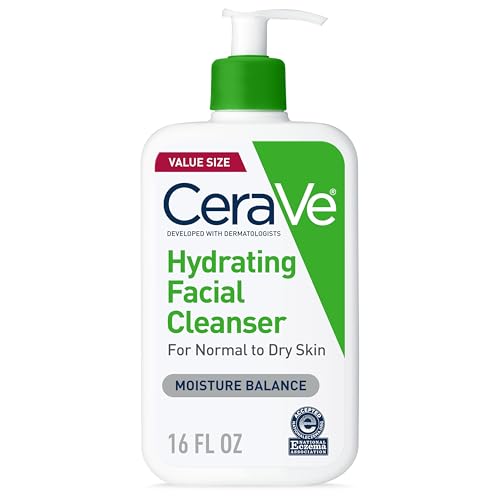
Gentle Face Cleanser: The Complete Guide to Soothing, Barrier-Safe Cleansing
Learn how to choose and use a gentle face cleanser that removes impurities without stripping your skin. Expert guidance for sensitive, dry, oily, and reactive skin types.
Find Your Perfect CleanserWhy Gentle Cleansing Matters: Your face cleanser is the foundation of every skincare routine. A harsh cleanser can disrupt the skin barrier, leading to dryness, irritation, and increased sensitivity. A gentle face cleanser removes dirt, oil, and makeup while preserving the skin's natural moisture balance — setting the stage for everything that follows.
Whether you have reactive skin, are starting a skincare journey, or simply want a more comfortable cleanse, this guide will help you make an informed decision before you buy.
What Is a Gentle Face Cleanser?
A gentle face cleanser is formulated to clean the skin effectively while minimizing disruption to the skin barrier. Unlike traditional foaming washes that rely on aggressive surfactants, gentle cleansers use milder cleansing agents, balanced pH levels, and often include soothing or hydrating ingredients.
These cleansers are particularly beneficial for people with sensitive skin, rosacea, eczema, dry skin, or those using active ingredients like retinol and acids. They are also a smart choice for anyone who wants to avoid the tight, stripped feeling that harsh cleansers can leave behind.
For those with specific concerns, you may want to explore a facial cleanser for sensitive skin or a gentle face wash for oily skin that balances cleansing with oil control.
Key Characteristics of a Gentle Face Cleanser
When evaluating a cleanser, look for these defining features that separate gentle formulas from harsh ones:
Mild Surfactants
Look for cleansers built on amphoteric or non-ionic surfactants, or amino acid-based cleansing agents. These lift away impurities without stripping natural lipids.
Skin-Friendly pH
A pH around 5.5 (slightly acidic) supports the skin's acid mantle and helps maintain a healthy microbiome.
No Harsh Sulfates
Avoid high concentrations of SLS and SLES, which can be overly degreasing and irritating for many skin types.
Soothing Ingredients
Ceramides, glycerin, aloe vera, oat extract, panthenol, and allantoin help calm and support the skin barrier during cleansing.
Fragrance-Free Options
Fragrance is a common trigger for sensitive skin. Fragrance-free formulas reduce the risk of irritation and allergic reactions.
Non-Comedogenic
For acne-prone skin, choose cleansers labeled non-comedogenic to avoid clogging pores while still cleansing gently.
How to Choose a Gentle Face Cleanser by Skin Type
Different skin types have different cleansing needs. The right gentle cleanser should match your skin's behavior throughout the day — not just its label.
Sensitive and Reactive Skin
Prioritize fragrance-free, dye-free formulas with minimal ingredient lists. Cream or lotion cleansers are often the most comfortable choice. Look for soothing ingredients like oat, ceramides, and glycerin. If your skin reacts easily, patch-test new products on a small area before full-face use.
Dry and Dehydrated Skin
Choose creamy, non-foaming cleansers that leave a soft residue rather than a squeaky-clean finish. Ingredients like glycerin, hyaluronic acid, and plant oils help maintain hydration during cleansing. Avoid hot water and limit cleansing to once or twice daily.
Oily and Combination Skin
Gentle foaming cleansers with mild surfactants can effectively remove excess oil without over-drying. Look for formulas with niacinamide, zinc, or low concentrations of salicylic acid if you are blemish-prone. The goal is balance — not stripping.
Normal Skin
Most gentle cleansers will suit normal skin. Choose based on texture preference — gel, cream, or foam — and consider a fragrance-free option to keep your routine low-irritation.
Understanding Cleanser Quality Tiers
Gentle face cleansers are available across a wide range of market positions. Rather than focusing on price, it helps to understand what different tiers typically offer so you can match your expectations to your needs.
| Tier | Typical Characteristics | Best For |
|---|---|---|
| Entry-Level | Simple formulas with basic gentle surfactants; may include fragrance or fewer barrier-supporting ingredients. | Budget-conscious shoppers, first-time gentle cleanser users, or those who cleanse infrequently. |
| Mid-Range | Balanced formulations with mild surfactants, skin-friendly pH, and added hydrators like glycerin or panthenol. | Most skin types, daily use, and those seeking a reliable everyday gentle cleanser. |
| Premium | Refined textures, fragrance-free options, ceramide complexes, and clinically tested formulas for reactive skin. | Sensitive or compromised skin, those with specific concerns like rosacea or eczema, and ingredient-conscious users. |
| Luxury | Elevated sensory experience, sophisticated delivery systems, and a blend of gentle cleansing with treatment benefits. | Users who value ritual and texture alongside efficacy, and those with specific luxury preferences. |
As a general rule, mid-range and premium gentle cleansers tend to offer the best balance of mildness, texture, and barrier support. Entry-level options can work well for occasional use, while luxury cleansers often emphasize experience as much as function.
How to Use a Gentle Face Cleanser Correctly
Even the gentlest cleanser can cause irritation if used incorrectly. Follow these steps for a comfortable, effective cleanse:
-
Wash Your Hands First
Start with clean hands to avoid transferring bacteria to your face.
-
Dampen Your Skin with Lukewarm Water
Hot water can strip oils and irritate sensitive skin. Lukewarm water is ideal.
-
Dispense the Right Amount
A pea-sized amount for cream cleansers or a small pump for gels is usually enough. More product does not mean a better cleanse.
-
Massage Gently for 30–60 Seconds
Use light, circular motions. Avoid scrubbing or tugging, especially around the eyes and mouth.
-
Rinse Thoroughly
Use lukewarm water to remove all traces of cleanser. Residue can lead to irritation or clogged pores.
-
Pat Dry — Do Not Rub
Use a clean, soft towel to pat your face dry. Follow immediately with a face cream for sensitive skin or moisturizer to lock in hydration.
Common Mistakes to Avoid
- Over-Cleansing: Cleansing more than twice daily can strip the skin barrier, even with gentle formulas.
- Using Hot Water: Heat can exacerbate redness and dryness. Stick to lukewarm.
- Scrubbing with Washcloths or Exfoliating Tools: Physical friction can irritate sensitive skin. If you use a facial cleansing brush, keep it on the gentlest setting and limit use.
- Skipping Moisturizer: Cleansing removes some moisture; replenish immediately with a suitable moisturizer.
- Ignoring Reactions: If a cleanser causes stinging, redness, or tightness, discontinue use. Your skin is telling you something.
Ingredients to Look For and Avoid
Look For:
- Glycerin, hyaluronic acid, panthenol — for hydration
- Ceramides, cholesterol, fatty acids — for barrier support
- Oat extract, aloe vera, allantoin — for soothing
- Amino acid-based surfactants — for mild cleansing
- Niacinamide — for oil balance and barrier support (in some formulas)
Approach With Caution:
- Sodium Lauryl Sulfate (SLS) — can be overly harsh
- High concentrations of alcohol — can be drying
- Synthetic fragrances and essential oils — potential irritants for sensitive skin
- Physical exfoliants in daily cleansers — can cause micro-irritation
For a more natural approach, explore natural skin remedies or herbal skincare options that align with clean beauty principles.
Building a Gentle Cleansing Routine
A gentle cleanser fits into a simple, consistent routine. Here is a basic framework:
- Morning: Rinse with water or use a gentle cleanser if your skin feels oily. Follow with moisturizer and sunscreen.
- Evening: Remove makeup (if wearing), then cleanse with your gentle face cleanser. Follow with treatments (if any) and moisturizer.
- Weekly: Consider a gentle exfoliator for dry skin once or twice a week, depending on your skin's tolerance.
If you are new to skincare, the getting started guide can help you build a foundational routine. For those interested in simplifying, explore minimalist skincare principles.
Frequently Asked Questions
What makes a face cleanser gentle?
How often should I use a gentle face cleanser?
Can gentle cleansers remove makeup?
Are gentle cleansers suitable for oily skin?
Do I need a different cleanser in the morning and evening?
Ready to Find Your Gentle Cleanser?
Explore our curated selection of gentle face cleansers recommended for sensitive, dry, oily, and combination skin. Every product is chosen with barrier health in mind.
View Recommended Cleansers