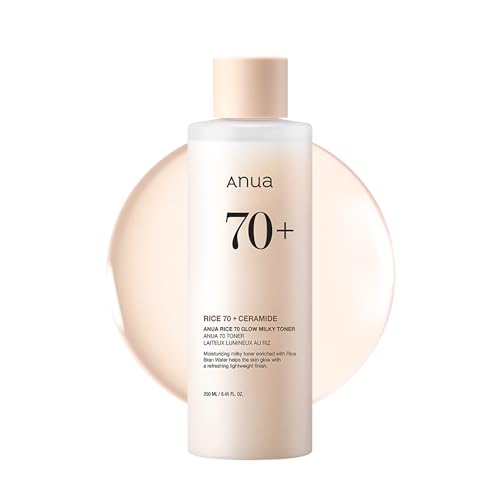
Face Toner for Dry Skin: The Complete Hydration Guide
Learn how a hydrating toner can transform your dry skin routine — what to look for, how to apply it, and which ingredients actually work.
START YOUR HYDRATION JOURNEYWhy this guide matters: If your skin feels tight after cleansing, flakes by midday, or struggles to hold moisture, the right face toner for dry skin can be a genuine game-changer. This guide walks you through exactly what a hydrating toner does, which ingredients to prioritize, and how to layer it for maximum results.
Why Dry Skin Needs a Different Kind of Toner
For decades, toners were marketed as astringent liquids that removed leftover oil and "tightened" pores. That old-school formula — often loaded with alcohol and witch hazel — is exactly what dry skin should avoid. Modern toners have evolved into hydrating, soothing treatments that act as a moisture primer for the rest of your routine.
If you have a dry skin type, your barrier is likely compromised and struggles to retain water. A face toner for dry skin works differently from a clarifying toner: instead of stripping, it replenishes. Think of it as the first drink of water your skin gets after cleansing. When chosen correctly, it can reduce that uncomfortable post-wash tightness, calm irritation, and help your face moisturizer for dry sensitive skin absorb more effectively.
To build a complete routine around this step, you may also benefit from a gentle face cleanser and a good moisturizer for dry skin — the toner sits right between them.
What a Hydrating Toner Actually Does for Dry Skin
A well-formulated hydrating toner serves several roles in a dry skin routine:
- Restores moisture immediately after cleansing. Water can evaporate quickly from dry skin, leaving it tight. A toner delivers water-binding ingredients right away.
- Supports the skin barrier. Ingredients like ceramides, panthenol, and glycerin help reinforce the barrier that dry skin often lacks.
- Preps skin for better absorption. Damp, toned skin absorbs serums and moisturizers more evenly than dry skin.
- Calms irritation and redness. Soothing botanicals reduce the reactivity that often accompanies dryness.
- Layers lightweight hydration. For dry skin that dislikes heavy creams in the morning, a toner adds hydration without weight.
If you want to go deeper on layering, this minimalist skincare approach pairs perfectly with a hydrating toner — fewer steps, but each one intentional.
Key Ingredients to Look For in a Face Toner for Dry Skin
Reading labels is the single most important skill when shopping for a dry-skin toner. Here is what to prioritize and what to avoid:
Ingredients to Prioritize
- Hyaluronic acid and sodium hyaluronate — humectants that draw water into the skin.
- Glycerin — a reliable, well-studied humectant that improves hydration and barrier function.
- Ceramides and panthenol (pro-vitamin B5) — barrier-supporting ingredients that reduce water loss.
- Rose water and aloe vera — soothing botanicals that calm and hydrate. You can learn more about these in our guide to rose water and aloe vera.
- Green tea and oat extract — antioxidants and anti-irritants that suit sensitive, dry skin. See our green tea skincare overview.
- Squalane and lightweight oils — help seal in the hydration delivered by humectants.
Ingredients to Avoid
- Alcohol denat and SD alcohol — drying and barrier-disrupting.
- High concentrations of witch hazel — can be astringent and drying over time.
- Added fragrance and essential oils — potential irritants for reactive dry skin.
- Menthol and camphor — cooling but often irritating.
If you prefer a more natural ingredient list, our organic toner guide covers plant-based options that still deliver real hydration.
Types of Toners: Which Suits Dry Skin Best
Not all toners are created equal. Understanding the categories helps you choose confidently:
- Hydrating / essence toners — water-light, humectant-rich, ideal as a first layer for dry skin. These are the best all-rounders.
- Milky / emulsion toners — contain light oils and ceramides for extra comfort. Great for very dry or mature skin.
- Soothing / calming toners — formulated with panthenol, oat, or centella for reactive dry skin.
- Astringent / clarifying toners — designed for oily skin; generally avoid if your primary concern is dryness.
For a thoughtful routine pairing, you can combine a milky toner with a face serum and face cream for sensitive skin. If you also deal with texture or dullness, a separate gentle exfoliator for dry skin used once or twice a week can complement — not replace — your toner.
How to Apply Toner for Dry Skin (Step-by-Step)
Application technique matters more than most people realize. Follow these steps for the best results:
- Cleanse gently. Use lukewarm — not hot — water and a cream or gel cleanser. Pat dry only slightly; leave skin damp.
- Dispense a small amount. A few shakes or pumps into your palm is usually enough. You do not need to soak a cotton pad.
- Pat, don't rub. Press the toner into your skin with clean hands using gentle patting motions. This avoids friction and waste.
- Layer while damp. Immediately follow with a hydrating serum and moisturizer to seal in the water.
- Repeat if needed. Very dry skin can benefit from two thin layers of toner before serum — the "7 skin method" is a well-known technique for this.
If your skin is reactive, patch-test a new toner on your jawline for a few days before using it on your full face. This is especially wise if you have a history of sensitivity. For more on building a supportive routine, see our skincare routine guide.
Where Toner Fits in a Dry Skin Routine
A simple, effective order for dry skin looks like this:
- Cleanser — see our gentle face wash guide for balanced options that still respect dryness.
- Hydrating toner — the step we are focusing on here.
- Serum — hyaluronic acid, niacinamide, or a hydrating blend.
- Eye cream — eye serum for dark circles if that is a concern.
- Moisturizer — a richer cream at night.
- Sunscreen in the morning — sunscreen is non-negotiable even for dry skin.
If you want a truly streamlined routine, our minimalist skincare guide shows how to trim this list without losing results. If you prefer organic options, the organic face cream and organic serum pages pair naturally with a hydrating toner.
Common Mistakes to Avoid
- Using an astringent toner on dry skin. This is the most common error — it will leave you tighter and drier.
- Skipping moisturizer after toner. Toner adds water but does not seal it in. Always follow with moisturizer.
- Applying to completely dry skin. Toner works best on damp skin; dry skin absorbs it less evenly.
- Over-exfoliating alongside toner. More exfoliation is not better. Use a gentle exfoliator for dry skin sparingly.
- Ignoring your cleanser. Even the best toner cannot fix a stripping cleanser. Start with a gentle face cleanser.
How to Choose the Right Face Toner for Dry Skin
When shopping, use this simple checklist:
- Label says hydrating, replenishing, or moisturizing. These are the dry-skin-friendly categories.
- Alcohol-free and fragrance-free. These two factors alone rule out many irritating options.
- Humectants near the top of the ingredient list. Glycerin, hyaluronic acid, and panthenol should appear early.
- Barrier support. Ceramides or squalane are a bonus for very dry skin.
- Texture suits your preference. Watery toners for layering; milky toners for comfort.
If you are also refining your overall skincare collection, the clean beauty guide and non-toxic skincare pages offer useful context on ingredient transparency.
Frequently Asked Questions
What is the best face toner for dry skin?
The best option is an alcohol-free, fragrance-free toner built around humectants (hyaluronic acid, glycerin), soothing botanicals (rose water, aloe), and optional barrier ingredients like ceramides or panthenol. Look for labels that say hydrating or replenishing.
Can toner actually help dry skin?
Yes — when it is a hydrating formula. A traditional astringent toner will make dryness worse, but a modern hydrating toner adds moisture, soothes tightness, and helps subsequent products absorb better.
How do I apply toner for dry skin?
After cleansing, pat a small amount into damp skin with clean hands. Follow immediately with serum and moisturizer. Patting is gentler than wiping with a cotton pad and wastes less product.
Is alcohol-free toner better for dry skin?
Definitely. Drying alcohols strip moisture and weaken the barrier. Alcohol-free toners are much gentler and support a dry skin barrier rather than undermining it.
How often should I use toner on dry skin?
Most hydrating toners are suitable twice daily. If your skin is very reactive, start with once daily and increase gradually. Always follow with moisturizer.
Disclaimer
BeautyTipsGuide provides educational content only. Not a substitute for professional medical advice. Always patch-test new products and consult a dermatologist for skin concerns. Some content may use AI. We are not responsible for adverse reactions. By using this site, you accept these terms. If you do not agree, please leave this website and discontinue its use. Read full disclaimer.