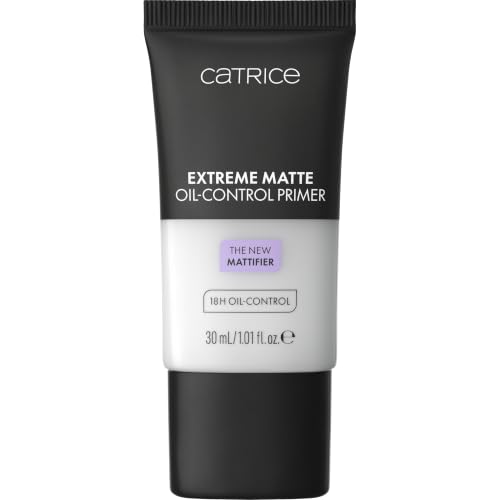
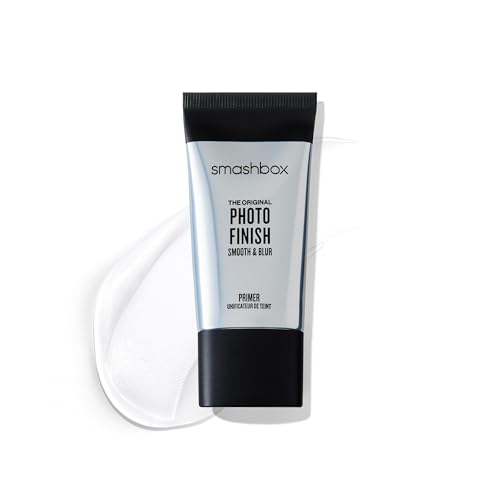
Face Primer for Oily Skin: The Complete Guide to Shine-Free Makeup
Learn how to choose and apply the right primer to control excess oil, blur pores, and keep your makeup flawless all day long.
START READINGWhy Primer Matters for Oily Skin: Oily skin produces excess sebum that can break down makeup within hours. A well-formulated face primer creates a protective barrier, absorbs surface oil, and helps foundation adhere smoothly. The right primer can be the difference between a fresh-looking face at 5 PM and a melted, patchy mess by noon.
Understanding Oily Skin and Why Primer Is Essential
Oily skin is characterized by overactive sebaceous glands that produce excess sebum, leading to a shiny complexion, enlarged pores, and makeup that tends to slide off or oxidize. While sebum is essential for skin health, too much of it creates a challenging canvas for makeup application. That is where a face primer becomes an indispensable step in your beauty routine.
A primer designed for oily skin does more than just create a smooth surface. It acts as a shield between your skincare and makeup, absorbing excess oil throughout the day and preventing foundation from breaking down. Many formulas also contain ingredients that temporarily blur the appearance of pores, giving the skin a refined, airbrushed finish.
Key Insight: Oily skin still needs hydration. Stripping the skin of moisture can trigger even more oil production. Choose a lightweight, oil-free moisturizer before applying your face primer for oily skin to maintain balance without adding shine.
Types of Face Primer for Oily Skin
Not all primers are created equal. Understanding the different formulations available will help you select the one that best addresses your specific concerns.
Mattifying Primers
These primers are specifically formulated to control shine and absorb excess oil. They typically contain ingredients like silica, kaolin clay, or dimethicone that create a matte finish and help regulate sebum production. Mattifying primers are ideal for those with very oily skin or anyone who wants a long-lasting matte makeup look.
Pore-Minimizing Primers
These primers focus on blurring the appearance of enlarged pores. They often have a silky, silicone-based texture that fills in uneven texture and creates a smooth canvas. Many pore-minimizing primers also offer oil control benefits, making them a dual-purpose choice for oily skin.
Hydrating Primers
While it may seem counterintuitive for oily skin, hydrating primers can be beneficial for combination skin types where certain areas are dry while others are oily. These primers provide lightweight moisture without adding heaviness, helping to balance the skin and prevent compensatory oil production.
Color-Correcting Primers
If you have redness or discoloration alongside oily skin, a color-correcting primer can help neutralize uneven tones while providing oil control. Green-tinted primers are particularly effective for reducing redness, while lavender or peach tones can help brighten dull areas.
Primer Types at a Glance
| Primer Type | Primary Benefit | Best For | Considerations |
|---|---|---|---|
| Mattifying | Oil absorption and shine control | Very oily skin, all-day matte finish | Can feel drying if overused; pair with hydrating skincare |
| Pore-Minimizing | Blurring enlarged pores and texture | Oily skin with visible pores | Silicone-based formulas require proper cleansing |
| Hydrating | Lightweight moisture and balance | Combination skin, dehydrated oily skin | Ensure formula is oil-free and non-comedogenic |
| Color-Correcting | Neutralizing redness or dullness | Oily skin with uneven tone | Use sparingly; too much can look chalky under foundation |
Key Ingredients to Look For
When shopping for a face primer for oily skin, pay attention to the ingredient list. The following ingredients are particularly beneficial:
- Silica: A mineral that absorbs excess oil and creates a matte finish. It also helps blur the appearance of pores and fine lines.
- Dimethicone: A silicone that creates a smooth, silky barrier on the skin. It fills in uneven texture and helps makeup glide on evenly.
- Kaolin Clay: A gentle clay that absorbs oil and impurities without stripping the skin.
- Niacinamide: A form of vitamin B3 that helps regulate sebum production and minimize the appearance of pores over time.
- Salicylic Acid: A beta hydroxy acid that helps unclog pores and control oil. Ideal for acne-prone oily skin.
- Zinc Oxide: Provides oil absorption and offers mild sun protection. Often found in mineral-based primers.
Conversely, avoid primers that contain heavy oils, alcohol denat (which can be drying and trigger rebound oil production), and fragrances that may irritate sensitive skin. If you have acne-prone skin, look for non-comedogenic formulas that will not clog pores. For more skincare guidance, explore our minimalist skincare approach to keep your routine simple and effective.
How to Apply Face Primer for Oily Skin
Proper application is just as important as choosing the right product. Follow these steps for the best results:
- Start with clean skin: Wash your face with a gentle cleanser suited for oily skin. Our gentle face wash for oily skin guide can help you find the right formula.
- Apply lightweight moisturizer: Even oily skin needs hydration. Use an oil-free moisturizer and let it absorb fully before proceeding.
- Wait for skincare to set: Allow 2 to 3 minutes for your moisturizer and sunscreen to fully absorb. This prevents the primer from pilling or sliding.
- Use the right amount: A pea-sized amount is sufficient for the entire face. Using too much primer can cause makeup to slide or look cakey.
- Focus on problem areas: Apply primer generously to the T-zone, chin, and any areas where pores are most visible. Use gentle patting motions rather than rubbing.
- Let primer set: Wait 30 to 60 seconds before applying foundation. This allows the primer to form an even layer and maximize its oil-control benefits.
- Apply foundation with a damp sponge: A beauty blender or damp makeup sponge helps press foundation into the skin for a seamless finish.
- Set with powder: Lightly dust a translucent setting powder over the T-zone to lock everything in place. Explore our powder brush guide for application tips.
Pro Tip: If your skin gets oily throughout the day, carry blotting papers instead of reapplying powder. Blot first, then lightly powder only where needed. This prevents a heavy, cakey buildup that can make oily skin look worse.
Common Mistakes to Avoid
Even with the right primer, certain habits can undermine your efforts. Here are the most common mistakes people with oily skin make:
- Skipping moisturizer: Oily skin still needs hydration. Without it, the skin may produce even more oil to compensate.
- Using too much primer: More is not better. Excess primer can cause makeup to pill, slide, or separate.
- Rubbing instead of patting: Rubbing can disrupt the primer's film-forming layer and reduce its effectiveness.
- Mixing incompatible formulas: Water-based primers and silicone-based foundations do not always play well together. Stick to formulas that are designed to work together.
- Not waiting between layers: Rushing through skincare and makeup application prevents each layer from setting properly.
- Neglecting to set makeup: Even the best primer needs a setting powder or spray to lock makeup in place for hours.
Maintaining Healthy Oily Skin
Primer is a temporary fix, but long-term skin health requires a consistent routine. Regular cleansing, exfoliation, and moisturizing help regulate oil production and improve skin texture over time. Consider incorporating a gentle exfoliator (suitable for oily skin variants) once or twice a week to keep pores clear.
A face mask formulated with clay or charcoal can help draw out impurities and absorb excess oil. If you want to explore natural options, our DIY face mask guide offers recipes using ingredients like honey and oatmeal that are gentle on oily skin. For those who prefer ready-made solutions, the organic face mask selection provides clean, plant-based alternatives.
Do not forget sun protection. Many primers include SPF, but dedicated sunscreen is still essential for comprehensive protection. Choose a lightweight, oil-free formula that will not add extra shine.
Frequently Asked Questions
What does a face primer do for oily skin?
A face primer for oily skin creates a smooth barrier between your skincare and makeup. It helps control excess sebum, minimizes the appearance of pores, and prevents foundation from breaking down or sliding off throughout the day.
How do I apply primer on oily skin?
Apply a pea-sized amount of primer to clean, moisturized skin. Focus on the T-zone and areas prone to shine, using gentle patting motions rather than rubbing. Wait 30 to 60 seconds before applying foundation.
Can I use primer if I have acne-prone oily skin?
Yes, but choose non-comedogenic, oil-free, and fragrance-free formulas. Look for primers labeled as safe for acne-prone skin and always patch-test new products before full application.
Does primer replace moisturizer for oily skin?
No. Primer and moisturizer serve different purposes. Moisturizer hydrates and balances the skin, while primer prepares the surface for makeup. Oily skin still needs lightweight hydration before primer application.
How can I make my makeup last longer on oily skin?
Start with a mattifying primer, use a long-wear foundation, and set with a translucent powder. Carry blotting papers for touch-ups throughout the day. Avoid layering too many products, which can cause makeup to break down faster.
Should I use a primer with SPF?
Primers with SPF offer convenience, but they rarely provide enough sun protection on their own. For adequate coverage, apply a dedicated sunscreen underneath your primer or choose a primer with broad-spectrum SPF 30 or higher and apply generously.
Ready to find the perfect primer for your oily skin? Explore our curated selection of top-rated products below.
VIEW RECOMMENDED PRIMERS