
Chafe Cream Guide: Relief and Prevention for Every Skin Type
Discover how anti-chafing creams work, which ingredients to look for, and how to choose the best chafe cream for thighs, underarms, and sensitive skin. Say goodbye to friction irritation for good.
EXPLORE TOP PICKSWhy trust this guide? We've researched dermatologist recommendations, ingredient safety profiles, and real-world user feedback to help you understand chafe cream without the hype. Whether you're dealing with thigh rub during summer, post-workout irritation, or sensitive skin that reacts to everything, this guide covers what actually matters.
What Is Chafe Cream and How Does It Work?
Chafe cream—sometimes called anti-chafing cream or chafing relief cream—is a topical product designed to reduce friction between skin surfaces or between skin and clothing. Unlike regular body lotion, chafe cream creates a protective barrier that stays in place during movement and sweat, helping to prevent the painful redness, stinging, and raw skin that come with chafing.
Most chafe creams work through a combination of mechanisms:
- Barrier formation: Ingredients like dimethicone, petrolatum, and shea butter create a slick, protective layer that reduces friction.
- Moisture regulation: Some formulas include ingredients that absorb excess sweat while keeping skin hydrated, preventing the micro-tears that lead to irritation.
- Soothing and repair: Aloe vera, colloidal oatmeal, and bisabolol calm existing irritation and support the skin's natural healing process.
Chafing commonly occurs in areas where skin rubs against skin or fabric: inner thighs, underarms, nipples, groin, and even the waistband area. It's especially common during hot weather, intense exercise, or when wearing tight or damp clothing. While chafing is not a serious medical condition, it can be intensely uncomfortable and, if left untreated, may lead to skin breakdown or secondary infections.
If you're also dealing with related skin concerns like irritation from shaving or body acne, you may find our guides on preventing razor burn and body trimming helpful for building a complete body care routine.
Key Ingredients to Look for in a Chafe Cream
Not all chafe creams are created equal. The best formula for you depends on your skin type, activity level, and whether you're treating existing irritation or preventing future chafing. Here are the ingredients that dermatologists and formulators consistently recommend:
1. Dimethicone
A silicone-based polymer that creates a breathable, silky barrier on the skin. Dimethicone is the gold standard in anti-chafing products because it reduces friction without feeling greasy, and it's generally well-tolerated by sensitive skin. It's also non-comedogenic, meaning it won't clog pores.
2. Petrolatum and Mineral Oil
Classic occlusives that seal in moisture and provide excellent slip. These are especially effective for preventing chafing in high-friction areas, but they can feel heavy and may stain clothing. They're best for nighttime use or intense activities where maximum protection is needed.
3. Shea Butter and Cocoa Butter
Rich, plant-based emollients that soften skin and reduce friction while providing some moisture. These are ideal for dry or mature skin, though they may be too heavy for oily or acne-prone body skin.
4. Colloidal Oatmeal
A soothing ingredient that calms inflammation and supports the skin barrier. Colloidal oatmeal is particularly beneficial for sensitive or eczema-prone skin, and it's often found in chafe creams marketed for reactive skin types.
5. Aloe Vera and Bisabolol
Natural anti-inflammatory agents that soothe redness and irritation. Aloe vera also provides a cooling effect that feels refreshing on chafed skin. Bisabolol, derived from chamomile, is a gentle calming agent suitable for even the most sensitive skin.
6. Zinc Oxide
Often found in diaper rash creams, zinc oxide is a mild astringent and protective agent that can help treat existing chafing and prevent moisture-related irritation. It's especially useful for chafing in skin folds.
What to avoid: If you have sensitive skin, steer clear of chafe creams with added fragrance, essential oils, alcohol, or menthol. These ingredients can cause stinging and may worsen irritation, especially on already-chafed skin. Look for fragrance-free, hypoallergenic formulas instead.
For those who prefer natural and plant-based solutions, our natural skin remedies guide explores botanical ingredients that can complement your anti-chafing routine.
Chafe Cream Types Compared
Different chafe cream formulations suit different needs. Here's a quick comparison to help you narrow down your options based on skin type and use case:
| Type | Best For | Key Ingredients | Texture | Value Tier |
|---|---|---|---|---|
| Silicone-Based | Daily prevention, sensitive skin, athletes | Dimethicone, cyclopentasiloxane | Silky, lightweight, non-greasy | Entry-level to mid-range |
| Petrolatum-Based | Intense protection, nighttime use | Petrolatum, mineral oil, lanolin | Thick, occlusive, long-lasting | Budget-friendly to mid-tier |
| Plant Butter-Based | Dry skin, mature skin, natural beauty enthusiasts | Shea butter, cocoa butter, coconut oil | Rich, creamy, nourishing | Mid-range to premium |
| Soothing Treatment | Existing chafing, sensitive or eczema-prone skin | Colloidal oatmeal, aloe vera, bisabolol | Light lotion or gel, cooling | Mid-range to high-end |
| Antibacterial/Antifungal | Chafing prone to infection, humid climates | Zinc oxide, tea tree oil, miconazole | Cream or ointment | Mid-tier to premium |
When choosing between tiers, remember that entry-level chafe creams often rely on simpler silicone or petrolatum bases, while premium options may include advanced soothing complexes, clinical testing, and more elegant textures. Mid-range products typically offer the best balance of performance and ingredient quality for most users.
If you're building a body care routine and want to explore complementary products like body lotion or body wash, our related guides can help you create a consistent regimen.
How to Use Chafe Cream Effectively
Applying chafe cream correctly makes a significant difference in how well it prevents and treats irritation. Follow these best practices:
- Start with clean, dry skin. Apply chafe cream to clean, completely dry skin before friction begins. If you're applying it before a workout, wait a minute or two after showering to ensure your skin is dry.
- Use a generous but even layer. Don't over-apply—a thin, even layer is usually enough to create a protective barrier. Focus on the areas where skin meets skin or fabric: inner thighs, underarms, groin, and any other high-friction zones.
- Reapply as needed. For long workouts, hot days, or extended wear, reapply every few hours or after significant sweating. Keep a travel-sized chafe cream in your gym bag or purse for quick touch-ups.
- Don't apply to broken skin. If your skin is already raw, bleeding, or showing signs of infection (increased redness, warmth, swelling, or pus), stop using chafe cream and consult a healthcare provider. Chafe cream is for prevention and mild irritation, not open wounds.
- Pair with moisture-wicking clothing. Chafe cream works best when combined with breathable, moisture-wicking fabrics. Avoid cotton in high-friction areas, as it holds moisture and can worsen chafing.
Pro tip: For extra protection during intense activities, consider using an anti-chafing balm or stick in addition to cream. Balms tend to be more water-resistant and are ideal for marathon runners, cyclists, and hikers.
If you're dealing with chafing related to shaving or grooming, our guides on wet shaving and skin care under beard offer additional strategies to keep skin smooth and comfortable.
Preventing Chafing Beyond Cream
While chafe cream is a powerful tool, preventing chafing requires a holistic approach. Here are additional strategies to keep friction at bay:
- Wear the right clothing: Choose moisture-wicking, seamless athletic wear. Avoid tight clothing in high-friction areas and opt for fabrics like polyester blends or merino wool instead of cotton.
- Stay dry: Sweat is a major contributor to chafing. Use absorbent powders (like cornstarch-based body powder) in skin folds, and change out of damp clothing as soon as possible after workouts.
- Maintain a healthy skin barrier: Regularly moisturize with a lightweight body lotion to keep skin supple and resilient. Dry, flaky skin is more prone to friction damage.
- Keep hair trimmed: In areas like the groin or underarms, gentle trimming (not aggressive shaving) can reduce friction and irritation. See our body trimming guide for safe techniques.
- Address underlying skin conditions: If you have eczema, psoriasis, or sensitive skin, work with a dermatologist to manage these conditions. Chafing is more likely when the skin barrier is compromised.
For a comprehensive approach to skin health, explore our skin health diet guide and self-care routine tips to support your skin from the inside out.
Frequently Asked Questions About Chafe Cream
What is the best chafe cream for sensitive skin?
The best chafe cream for sensitive skin should be fragrance-free, hypoallergenic, and formulated with soothing ingredients like dimethicone, aloe vera, or colloidal oatmeal. Look for dermatologist-tested options that create a protective barrier without irritating the skin.
How often should I apply chafe cream?
Apply chafe cream before physical activity and reapply as needed throughout the day, especially after sweating or when you feel friction returning. For daily prevention, apply once in the morning and once before workouts.
Can chafe cream be used on the face?
Most chafe creams are designed for the body and may be too heavy or occlusive for facial skin. For facial chafing, use a lightweight, non-comedogenic barrier cream or a dedicated facial moisturizer with dimethicone instead.
Is chafe cream safe for children?
Many chafe creams are safe for children, but always check the label for age recommendations and choose fragrance-free, hypoallergenic formulas. Consult a pediatrician if your child has very sensitive skin or existing skin conditions.
What's the difference between chafe cream and diaper rash cream?
Diaper rash creams typically contain a higher concentration of zinc oxide and are designed to treat and prevent diaper rash. Chafe creams are formulated for friction reduction and often include silicones or plant butters for slip. Some products overlap in function, but diaper rash cream is usually thicker and more occlusive.
Ready to Find Your Perfect Chafe Cream?
Explore our curated selection of top-rated anti-chafing products below, chosen for effectiveness, ingredient safety, and real-world performance.
VIEW RECOMMENDED PRODUCTSBest Chafe Creams & Anti-Chafing Products
⚠️ AFFILIATE DISCLOSURE: This website contains affiliate links. As an Amazon Associate, we earn from qualifying purchases. If you make a purchase through these links, we may receive a small commission at no additional cost to you. Read our full affiliate policy.

Chamois Butt’r Original Anti-Chafe Cream for Cycling, Running & Active Lifestyles - Helps Prevent & Soothe Chafing, Non-Greasy, Easy Rinse, Skin-Friendly Formula, Unscented - 8 oz Tube
Check price on Amazon
Gold Bond Friction Defense Stick, Anti Chafing Stick with Aloe, 1.75 oz. | Anti-chafing stick to soothe, comfort & moisturize chafed skin, arm, chest, bra lines, thigh, skin rolls
Check price on Amazon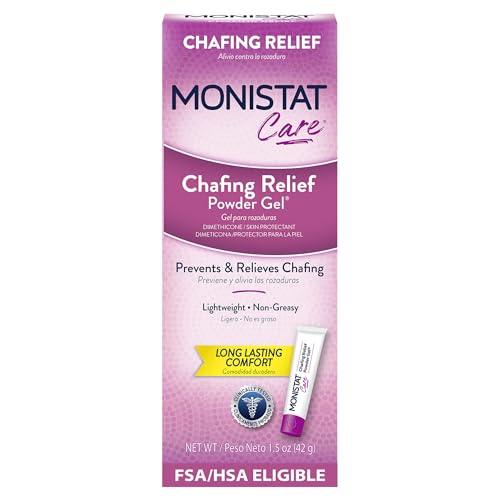
Monistat Chafing Relief Powder Gel, Long-Lasting Protection, 1.5 Oz | Protects Skin, Safe to Use Every Day, Anti-Chafing Protection for Bikini Area, Thighs & Bra Lines
Check price on Amazon
Blue Steel Sports Anti Chafe Cream 100ml – Long-Lasting Protection for Running, Cycling & Sports | Sweat & Water Resistant | Non-Greasy, Non-Staining | For Sensitive Skin, Men & Women
Check price on Amazon
Hyland's Chafing Relief: Cream-to-Powder to Soothe Irritated Skin, 3oz
Check price on Amazon
Happy Nuts Comfort Cream Deodorant For Men: Anti-Chafing Sweat Defense, Odor Control, Aluminum-Free Mens Deodorant & Hygiene Products for Men's Private Parts 3.4 Fl Oz - Original
Check price on Amazon
Body Glide Original Anti Chafe Balm | No Chafing Stick | Prevent Arm, Chest, Butt, Thigh, Ball Chafing & Irritation | Trusted Skin Protection Since 1996 |1.5oz
Check price on Amazon
A+D Anti-Chafing Ointment, Odor Control, Pharmacist Recommended - 1.5 oz | Helps Protect and Treat Skin Irritation from Friction or Chafing, Odor Control Technology, Non-Irritating
Check price on AmazonDisclaimer
BeautyTipsGuide provides educational content only. Not a substitute for professional medical advice. Always patch-test new products and consult a dermatologist for skin concerns. Some content may use AI. We are not responsible for adverse reactions. By using this site, you accept these terms. If you do not agree, please leave this website and discontinue its use. Read full disclaimer.