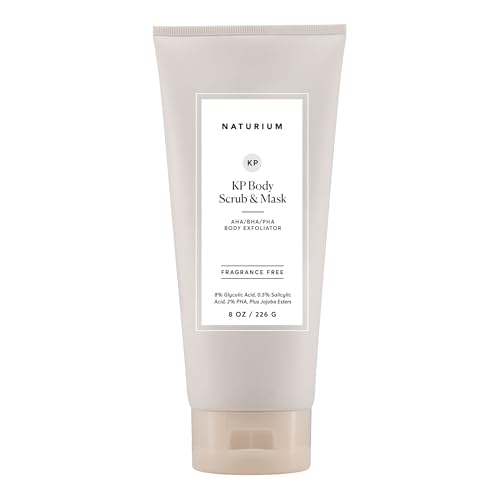
Body Exfoliator Guide: Achieve Smooth, Glowing Skin
Discover the best body exfoliants for your skin type. Learn how to exfoliate properly, choose between physical and chemical options, and achieve radiant, healthy-looking skin.
Shop Top ExfoliatorsWhat Is a Body Exfoliator and Why Do You Need One?
Body exfoliation is the process of removing dead skin cells from the surface of your skin, revealing the fresh, healthy skin beneath. Regular exfoliation is essential for maintaining smooth, glowing skin and preventing common issues like rough patches, ingrown hairs, and dullness.
Whether you're dealing with dry, flaky elbows, keratosis pilaris ("chicken skin"), or simply want to achieve that coveted all-over glow, a good body exfoliator is your best ally. The right body exfoliator can transform your skin texture and boost the effectiveness of your other body care products.
Did You Know? Your skin naturally sheds dead cells every 28-30 days, but this process slows down as we age. Exfoliation helps accelerate this natural renewal process, keeping your skin looking youthful and vibrant.
Physical vs. Chemical Exfoliants: Which Is Right for You?
Body exfoliators generally fall into two main categories: physical and chemical. Both have their benefits, and many skincare enthusiasts use a combination of both for optimal results.
🔹 Physical Exfoliants
Physical exfoliants use manual friction to slough off dead skin cells. These include body scrubs with sugar, salt, coffee grounds, or jojoba beads, as well as exfoliating gloves, dry brushes, and loofahs.
Best for: Those who enjoy immediate results and the sensory experience of scrubbing. Excellent for rough areas like elbows, knees, and feet.
$10–$40🔹 Chemical Exfoliants
Chemical exfoliants use acids or enzymes to dissolve the bonds between dead skin cells, allowing them to shed more easily. Common types include alpha-hydroxy acids (AHAs) like glycolic and lactic acid, and beta-hydroxy acids (BHAs) like salicylic acid.
Best for: Sensitive skin, those with acne or body breakouts, and anyone seeking deeper, more even exfoliation.
$12–$55For the best results, many experts recommend incorporating both types into your routine. For example, you might use a gentle exfoliating scrub once or twice a week and a chemical exfoliant on other days. This approach provides both the immediate smoothness of physical scrubs and the deeper, more consistent exfoliation of chemical products.
How to Choose the Best Body Exfoliator for Your Skin Type
Selecting the right body exfoliator depends on your skin type, concerns, and personal preferences. Here's a detailed breakdown to help you make the best choice:
For Dry Skin
If you have dry or flaky skin, opt for creamy, hydrating exfoliators with moisturizing ingredients like coconut oil, shea butter, or hyaluronic acid. Look for products that contain lactic acid (an AHA), which exfoliates while attracting moisture to the skin. Rich sugar or salt scrubs with oils are also excellent choices.
For Oily or Acne-Prone Skin
If your body is prone to breakouts or clogged pores, choose chemical exfoliants with salicylic acid (BHA), which penetrates pores to clear out oil and debris. Physical scrubs with fine, dissolvable beads can also be effective, but avoid harsh, jagged particles that can cause micro-tears.
For Sensitive Skin
Sensitive skin requires gentle exfoliation. Look for mild chemical exfoliants like mandelic acid or PHA (polyhydroxy acids), which are larger molecules that don't penetrate as deeply, reducing irritation. Physical options like soft konjac sponges or rice-based scrubs are also safe choices.
You might also consider exploring Korean skincare moisturizers designed for sensitive skin to complement your exfoliation routine.
For Keratosis Pilaris (KP)
Keratosis pilaris, characterized by small, rough bumps on the upper arms and thighs, responds well to exfoliators containing both AHAs and BHAs. Look for products with glycolic acid, lactic acid, and salicylic acid. Consistent use of a gentle exfoliating scrub combined with a moisturizer containing urea or lactic acid can significantly improve this condition.
Pro Tip: Always patch-test a new exfoliator on a small area of your skin before using it all over. This helps ensure you don't have an adverse reaction, especially if you have sensitive skin or allergies.
Physical vs. Chemical Exfoliants: Quick Comparison
| Feature | Physical Exfoliant | Chemical Exfoliant |
|---|---|---|
| How it works | Manual friction (scrubbing) | Dissolves dead skin bonds |
| Results | Immediate smoothness | Gradual, even improvement |
| Best for | Rough areas, immediate results | Even skin tone, sensitive skin |
| Frequency | 2-3 times per week | Can be used daily (depending on strength) |
| Common ingredients | Sugar, salt, coffee, beads | Glycolic acid, lactic acid, salicylic acid |
| Average price | $10–$40 | $12–$55 |
Step-by-Step Guide: How to Exfoliate Your Body Properly
Proper exfoliation technique is just as important as the product you choose. Follow these steps for the best results:
- Wet Your Skin: Exfoliate in the shower or bath when your skin is warm and damp. This softens the dead skin cells and makes exfoliation more effective.
- Apply the Exfoliator: If using a physical scrub, apply a small amount to your hands or an exfoliating tool. For chemical exfoliants, follow the product instructions—most are applied to clean, dry skin and left on for a few minutes before rinsing.
- Massage Gently: Using circular motions, gently massage the exfoliator into your skin. Focus on rough areas like elbows, knees, heels, and any dry patches. Avoid the face unless the product is specifically formulated for facial use.
- Don't Over-Scrub: Apply light to moderate pressure—scrubbing too hard can cause micro-tears and irritation. Let the exfoliating particles or acids do the work.
- Rinse Thoroughly: Rinse off completely with warm water. Ensure all product residue is removed to prevent any potential irritation.
- Pat Dry and Moisturize: Gently pat your skin dry with a towel (don't rub). Immediately apply a rich moisturizer or body oil to lock in hydration. This is crucial after exfoliation because your skin is more receptive to active ingredients.
Remember: Consistency is key! Regular exfoliation yields the best results. For most skin types, 2-3 times per week is ideal. Always follow up with moisturizer to keep your skin soft and healthy.
Top Benefits of Regular Body Exfoliation
Incorporating a body exfoliator into your routine offers numerous benefits beyond just smooth skin:
- Promotes Cell Turnover: Regular exfoliation accelerates the natural skin renewal process, helping you achieve a more youthful, radiant complexion.
- Prevents Ingrown Hairs: Exfoliating removes dead skin cells that can trap hair follicles, preventing painful and unsightly ingrown hairs. This is especially beneficial after shaving or waxing.
- Improves Product Absorption: With dead skin cells removed, your moisturizers, serums, and treatments penetrate deeper and work more effectively.
- Smoothes Rough Patches: Areas like elbows, knees, and heels respond beautifully to regular exfoliation, becoming noticeably softer and smoother.
- Enhances Skin Tone: Exfoliation can help fade dark spots, uneven pigmentation, and sun damage over time, revealing a more even skin tone.
- Boosts Circulation: The massaging action of exfoliation stimulates blood flow, promoting healthier, more vibrant skin.
For enhanced results, consider using a body lotion or body butter rich in ceramides and emollients after exfoliation to support the skin barrier and maintain hydration.
Common Exfoliation Mistakes to Avoid
Even with the best intentions, it's easy to make mistakes that can compromise your skin's health. Here's what to avoid:
- Over-Exfoliating: Exfoliating daily can strip your skin of its natural oils and damage the skin barrier. Stick to 2-3 times per week, or as recommended by your product.
- Using Harsh Particles: Avoid scrubs with jagged, irregular particles like crushed walnut shells or apricot kernels that can cause micro-tears. Look for smooth, round particles or dissolvable beads.
- Not Moisturizing After: Exfoliating removes the outer layer of dead skin, leaving fresh skin exposed. Always follow up with a moisturizer to keep your skin hydrated and protected.
- Exfoliating Irritated or Sunburned Skin: Never exfoliate broken, sunburned, or severely irritated skin. Let it heal first to avoid further damage.
- Ignoring Sensitive Areas: Don't neglect areas like the chest, neck, and inner thighs. These areas benefit from gentle exfoliation but require lighter pressure and milder products.
For those seeking natural options, many natural beauty products offer gentle yet effective exfoliation without harsh chemicals or synthetic microbeads.
Expert Tips for Maximizing Your Exfoliation Routine
Take your body exfoliation to the next level with these expert tips:
- Dry Brushing: Before your shower, use a natural bristle brush to dry brush your body in upward strokes toward your heart. This stimulates circulation, boosts lymphatic drainage, and provides gentle physical exfoliation.
- Layer Your Exfoliants: For advanced exfoliation, you can use a physical scrub followed by a chemical exfoliant. This is especially effective for stubborn dry patches or keratosis pilaris.
- Pair with a Body Oil: Mix your sugar or salt scrub with a body oil for extra hydration. This is particularly beneficial during winter months when skin tends to be drier.
- Don't Forget Your Feet: Your feet benefit greatly from exfoliation. For a more intensive treatment, try a peeling foot mask for softer, smoother heels.
- Time Your Exfoliation: Exfoliate in the evening to give your skin time to recover overnight. This also allows your nighttime products to absorb more effectively.
Frequently Asked Questions About Body Exfoliators
How often should I exfoliate my body?
For most skin types, 2-3 times per week is ideal. If you have sensitive skin, start with once weekly and gradually increase. For oily or rough skin, you may benefit from 3-4 times weekly.
Can I use a body scrub on my face?
Generally, no. Body scrubs typically have larger, coarser particles that can be too harsh for facial skin. Always use products specifically formulated for your face to avoid irritation or micro-tears.
What's the best way to exfoliate for keratosis pilaris?
Keratosis pilaris responds well to a combination of physical and chemical exfoliation. Use a gentle scrub 2-3 times per week and apply a moisturizer containing urea or lactic acid daily. Consistent routine is key for managing this condition.
Is it safe to exfoliate before shaving?
Yes! Exfoliating before shaving helps lift hair follicles and removes dead skin cells, giving you a closer, smoother shave with less irritation and fewer ingrown hairs. Just be gentle and use a moisturizing shaving cream afterward.
Can I use retinol on my body?
Yes, retinol can be used on the body to improve skin texture and reduce signs of aging. However, if you're using a retinol cream on your body, be cautious about combining it with chemical exfoliants to avoid over-exfoliation.
What's better for body exfoliation: sugar or salt scrubs?
Both are effective. Sugar scrubs are generally gentler and more moisturizing, making them ideal for sensitive or dry skin. Salt scrubs are more robust and better for rough, tough skin areas. Choose based on your skin's needs and your personal preference.
Final Thoughts: The best body exfoliator is one that works for your unique skin type and fits seamlessly into your routine. Start slow, be consistent, and always listen to your skin. With regular exfoliation, you'll reveal smoother, healthier, more radiant skin.