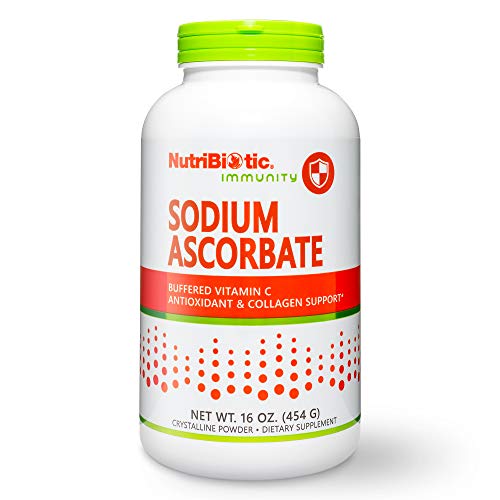
Sodium Ascorbyl Phosphate: The Stable Vitamin C for Brighter Skin
Discover the science-backed benefits of this gentle yet effective Vitamin C derivative. Learn how it works, who should use it, and find the best products for your routine.
Sodium Ascorbyl Phosphate (SAP) is a water-soluble, stable derivative of Vitamin C (L-ascorbic acid). Unlike pure L-ascorbic acid, which is notoriously unstable and can irritate sensitive skin, SAP offers a gentle, effective alternative that delivers many of the same skin-brightening and antioxidant benefits. It's a popular choice for those looking to incorporate Vitamin C into their skincare routine without the risk of irritation or oxidation.
This ingredient is a powerhouse for addressing hyperpigmentation, dullness, and signs of aging. It works by converting to L-ascorbic acid once absorbed into the skin, providing a steady release of active Vitamin C. This makes it ideal for sensitive skin types and those new to Vitamin C.
Key Benefits of Sodium Ascorbyl Phosphate
- Brightens Skin Tone: SAP inhibits melanin production, helping to fade dark spots, hyperpigmentation, and post-acne marks, leading to a more even complexion. It's a key ingredient in many skin brightening products.
- Powerful Antioxidant: It neutralizes free radicals caused by UV exposure and pollution, protecting the skin from oxidative stress and preventing premature aging.
- Stimulates Collagen Production: Like other forms of Vitamin C, SAP helps boost collagen synthesis, which can improve skin elasticity and reduce the appearance of fine lines and wrinkles.
- Gentle on Skin: With a pH closer to that of the skin, SAP is significantly less irritating than L-ascorbic acid, making it suitable for sensitive and acne-prone skin types.
- Anti-Acne Properties: Some studies suggest SAP has antibacterial properties that can help combat acne-causing bacteria, making it a dual-action ingredient for those with breakouts.
How to Use Sodium Ascorbyl Phosphate in Your Routine
Incorporating SAP into your skincare regimen is straightforward. It is typically found in serums, moisturizers, and toners. For best results, follow these guidelines:
- Cleanse: Start with a gentle face wash to prepare your skin.
- Apply SAP Product: Apply a few drops of a SAP-based serum or essence to your face and neck. It's best used in the morning to boost your skin's defense against daily environmental stressors.
- Moisturize: Follow up with a moisturizer to lock in hydration. SAP works well with other hydrating ingredients.
- Sun Protection: Always finish with a broad-spectrum sunscreen (SPF 30 or higher) during the day, as Vitamin C enhances the efficacy of sunscreens but does not replace them.
Pro Tip: SAP is stable and does not oxidize as quickly as L-ascorbic acid, so you don't have to worry about it turning brown or losing potency. It can be safely used both morning and night.
Who Should Use Sodium Ascorbyl Phosphate?
Sodium Ascorbyl Phosphate is an excellent choice for a wide range of skin types. It is particularly beneficial for:
- Sensitive Skin: Its low-irritation profile makes it perfect for those who find traditional Vitamin C serums too harsh.
- Dry Skin: SAP is non-drying and can be formulated with hydrating ingredients to support the dry skin routine.
- Oily and Acne-Prone Skin: Its potential anti-bacterial properties and lightweight texture make it suitable for oily skin care and those dealing with breakouts.
- Anyone New to Vitamin C: If you're just starting with Vitamin C, SAP is a gentle introduction to the benefits of this potent antioxidant.
- Individuals with Hyperpigmentation: Its ability to inhibit melanin production helps address hyperpigmentation, melasma, and sunspots.
It's a versatile ingredient that can be easily integrated into any existing skin care routine.
SAP vs. Other Vitamin C Derivatives
Vitamin C comes in several forms, each with its own strengths and weaknesses. Here's how Sodium Ascorbyl Phosphate compares to other common derivatives like L-ascorbic acid and Ethyl Ascorbic Acid:
- L-Ascorbic Acid: The most potent and researched form, but highly unstable and can be irritating at concentrations above 10-15%. It requires a low pH to be effective.
- Sodium Ascorbyl Phosphate (SAP): Highly stable, water-soluble, and converts to L-ascorbic acid in the skin. Much gentler and ideal for sensitive skin. Effective at concentrations of 10-15%.
- Ethyl Ascorbic Acid: A stable, water- and oil-soluble derivative that also converts to L-ascorbic acid. It's considered more effective than SAP but can be slightly more irritating.
For most people, especially those with sensitive or reactive skin, SAP provides an excellent balance of efficacy and tolerability.
Frequently Asked Questions
Is Sodium Ascorbyl Phosphate better than L-ascorbic acid?
It depends on your skin type. L-ascorbic acid is more potent, but SAP is more stable and significantly less irritating, making it "better" for those with sensitive skin.
Can I use Sodium Ascorbyl Phosphate with retinol?
Yes, SAP and retinol can be used in the same routine. However, it's best to use Vitamin C in the morning (for antioxidant protection) and retinol at night (for cell turnover) to maximize benefits and minimize potential irritation.
What percentage of Sodium Ascorbyl Phosphate is effective?
Clinical studies show that concentrations between 10% and 15% are effective for delivering benefits without causing irritation.
Does Sodium Ascorbyl Phosphate expire?
Like all skincare ingredients, it has a shelf life. However, it is much more stable than L-ascorbic acid and does not oxidize as quickly. Always check the product's expiration date and store it in a cool, dark place.
Explore More: Learn about other powerful skincare ingredients like Hyaluronic Acid, Retinol, and Ceramides to build a complete routine. For specific concerns, check our guides on Acne-Prone Skin, Aging Skin, and Rosacea Skin Care.