
Aging Skin Moisturizer: The Ultimate Guide to Anti-Aging Creams
Discover the best moisturizers for aging skin, learn key ingredients that fight wrinkles, and build a routine that keeps mature skin hydrated, firm, and glowing.
Start Your Skincare JourneyAs we age, our skin undergoes significant changes. It produces less collagen and elastin, natural oil production decreases, and the skin's barrier function weakens. This leads to dryness, fine lines, wrinkles, and a loss of firmness. An aging skin moisturizer is not just about hydration; it's about delivering powerful active ingredients that combat these signs of aging while restoring the skin's health.
Choosing the right moisturizer for mature skin can be overwhelming with the multitude of products on the market. This comprehensive guide will help you understand what to look for, how to build an effective routine, and why a good moisturizer is the cornerstone of any anti-aging strategy. Whether you have dry, sensitive, or combination skin, the right formula can make a world of difference in maintaining a youthful complexion.
What to Look For in an Aging Skin Moisturizer
When searching for the perfect anti-aging moisturizer, you need to look beyond basic hydration. The most effective products for mature skin are packed with ingredients that target multiple concerns simultaneously. Here are the key components to seek out:
- Hyaluronic Acid: A powerful humectant that attracts and retains moisture, plumping the skin and reducing the appearance of fine lines. For a deeper dive, check out our guide on hyaluronic acid serum.
- Retinol (Vitamin A): The gold standard in anti-aging, retinol boosts collagen production, speeds up cell turnover, and smooths wrinkles. If you're new to retinol, start with a lower concentration and learn more in our retinol serum article.
- Ceramides: These lipid molecules help restore the skin's barrier, locking in moisture and protecting against environmental damage. Find out more about ceramides and their benefits.
- Peptides: Short chains of amino acids that signal the skin to produce more collagen, improving firmness and elasticity.
- Vitamin C (L-Ascorbic Acid): A potent antioxidant that brightens the skin, evens out skin tone, and protects against free radical damage.
- Niacinamide (Vitamin B3): Reduces redness, minimizes the appearance of pores, and strengthens the skin barrier.
💡 Pro Tip: The best anti-aging moisturizer combines multiple active ingredients. Look for products that pair hydrating agents like hyaluronic acid with collagen-boosting ingredients like retinol or peptides for maximum results.
Choosing a Moisturizer for Your Skin Type
Not all aging skin moisturizers are created equal. Your specific skin type will determine the texture and formulation that works best for you. Here's a breakdown for different skin types:
Dry Aging Skin
If you have dry skin, you'll need a rich, emollient moisturizer that provides deep hydration and helps repair the skin barrier. Look for creams and balms containing shea butter, squalane, and ceramides. A face oil for dry skin can also be a fantastic addition to lock in moisture.
Oily or Combination Aging Skin
Mature skin can still be oily or combination. You want a moisturizer that hydrates without clogging pores. Opt for lightweight, oil-free, or gel-based formulas with humectants like hyaluronic acid and glycerin. Avoid heavy, occlusive ingredients that could cause breakouts. Learn more about managing oily skin care as you age.
Sensitive Aging Skin
Sensitive skin requires a gentle, fragrance-free moisturizer with soothing ingredients. Look for products with niacinamide, centella asiatica, and oat extract. Avoid potential irritants like essential oils and artificial fragrances. For more tips, explore our guide on sensitive skin care.
How to Apply Moisturizer for Best Results
Applying your aging skin moisturizer correctly can significantly impact its effectiveness. Follow these steps for optimal results:
- Cleanse: Start with a gentle, hydrating cleanser that doesn't strip your skin's natural oils. Consider the double cleansing routine for a deeper clean.
- Tone (Optional): Use a hydrating toner or essence to prep your skin and enhance absorption.
- Apply Active Serums: If you use serums like vitamin C or retinol, apply them after cleansing and before your moisturizer.
- Apply Moisturizer: Use upward, sweeping motions to apply your moisturizer to slightly damp skin. This helps lock in hydration.
- Don't Forget Your Neck and Chest: These areas show signs of aging too. Extend your moisturizer down to your neck and décolletage.
Consistency is key. Using your moisturizer twice daily, morning and night, will yield the best results. Pair it with a broad-spectrum sunscreen during the day to protect your skin from UV damage, a leading cause of premature aging.
Top Ingredients for Aging Skin
Understanding the power of individual ingredients can help you make smarter purchasing decisions. Here are some of the most effective anti-aging ingredients to look for in your moisturizer:
- Hyaluronic Acid: Instantly plumps and hydrates the skin.
- Retinol: Reduces wrinkles and fine lines, boosts collagen.
- Ceramides: Restore and strengthen the skin barrier.
- Vitamin C: Brightens and protects against free radical damage.
- Centella Asiatica: Soothes inflammation and promotes healing.
- Snail Mucin: A hydrating and reparative ingredient that's excellent for mature skin.
✨ Did You Know? A consistent skincare routine guide that includes a high-quality aging skin moisturizer can visibly reduce the signs of aging and improve skin texture over time.
Building an Anti-Aging Skincare Routine
An aging skin moisturizer is a star player, but it works best as part of a comprehensive anti-aging skincare routine. Here's a simple yet effective regimen to follow:
Morning Routine:
- Cleanse: Use a gentle, hydrating cleanser.
- Antioxidant Serum: Apply a vitamin C serum to protect against free radicals.
- Moisturize: Apply your day moisturizer with SPF.
- Sun Protection: Finish with a generous layer of sunscreen (SPF 30 or higher).
Evening Routine:
- Double Cleanse: Start with an oil cleanser, then follow with a water-based cleanser. Learn the benefits of the double cleansing method.
- Treatment: Apply a retinol or other active treatment (start slow, 2-3 times a week).
- Moisturize: Use a richer, more emollient night cream to support skin repair overnight.
- Eye Cream (Optional): Apply a specialized eye serum or cream to target the delicate eye area.
Consistency with this routine will yield visible improvements in skin texture, firmness, and radiance.
Final Thoughts on Aging Skin Moisturizers
Selecting the right aging skin moisturizer is a critical step in maintaining a youthful, healthy complexion. By understanding your skin type, seeking out the right ingredients, and following a consistent routine, you can effectively combat the signs of aging. Remember that skincare is a long-term commitment, and the best time to start is today. Whether you're looking to target hyperpigmentation, dry skin, or the appearance of fine lines, a well-chosen moisturizer is your most powerful ally.
Top Picks: Best Aging Skin Moisturizers
⚠️ AFFILIATE DISCLOSURE: This website contains affiliate links. As an Amazon Associate, we earn from qualifying purchases. If you make a purchase through these links, we may receive a small commission at no additional cost to you. Read our full affiliate policy.

SimplyVital Face Moisturizer Retinol Collagen Hyaluronic Acid Cream 1.7 oz
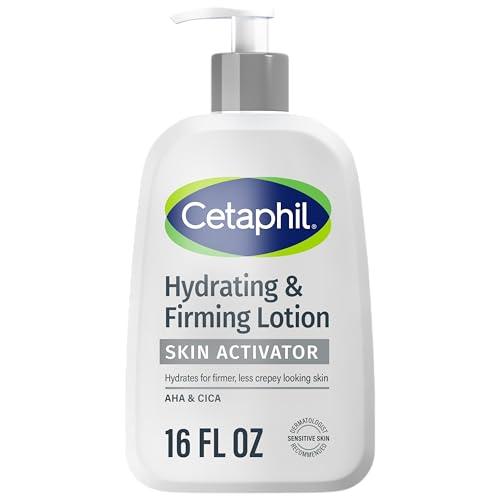
Cetaphil Skin Activator Firming Body Lotion, AHA & CICA, 16oz
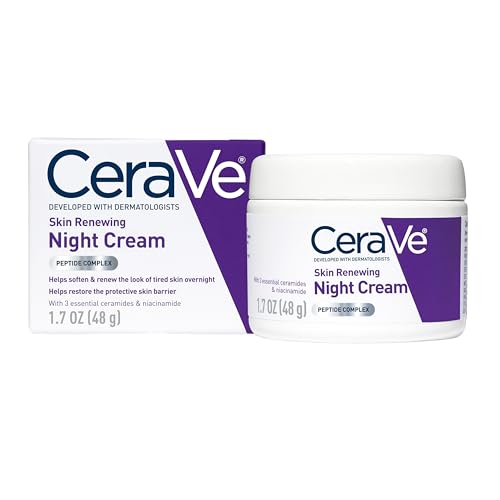
CeraVe Night Cream, Facial Moisturizer with Peptides & Niacinamide, 1.7oz
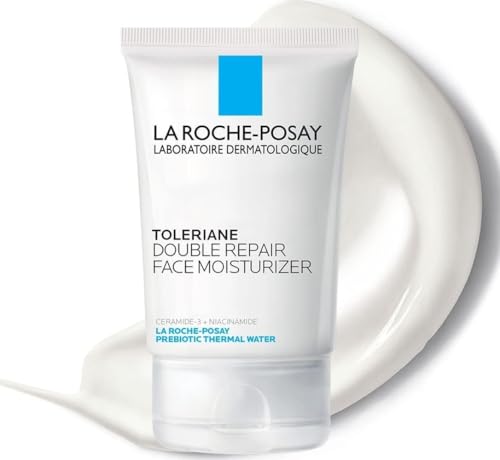
La Roche-Posay Toleriane Double Repair Face Moisturizer, 3.38oz

Collagen Face Cream Day & Night Moisturizer with Stem Cells Retinol 1.7Oz

ANUA Rice 70 Intensive Moisturizing Milk, 5.07 fl.oz

ANUA PDRN Hyaluronic Acid 100 Moisturizing Cream, 2.02 fl oz
