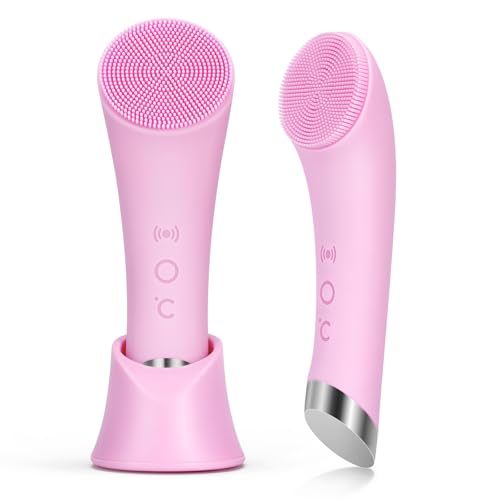
Electric Cleansing Brush for Face: The Complete Guide
Everything you need to know about facial cleansing brushes — how they work, who they suit, and how to choose the right one for your skin.
Key Takeaways
- An electric cleansing brush for face delivers up to 10x more effective cleansing than manual washing, helping to remove makeup, oil, and dead skin cells from deep within pores.
- There are three main types: bristle brushes, silicone brushes, and sonic vibration devices — each suited to different skin types and concerns.
- Overuse is the biggest mistake; most skin types benefit from using an electric brush only two to three times per week.
- Brush heads should be replaced every three months, and the device should be cleaned after every use to prevent bacterial buildup.
- A cleansing brush complements — but does not replace — a complete double cleansing routine and proper moisturizing.
What Is an Electric Cleansing Brush for Face?
An electric cleansing brush for face is a handheld skincare device that uses oscillating, rotating, or sonic vibrations to deep-clean the skin more thoroughly than manual washing. The bristles or silicone touch-points work in tandem with your facial cleanser to loosen dirt, sebum, and makeup residue that would otherwise remain trapped in pores. For anyone who wears makeup regularly, lives in a polluted environment, or struggles with congested skin, this tool can be a meaningful upgrade to a daily cleanser routine.
Unlike a traditional washcloth or hands alone, an electric brush provides consistent, controlled exfoliation. This helps to smooth the skin's surface, improve product absorption, and create a clearer, more radiant complexion over time. However, it is not a magic bullet — results depend on proper technique, the right brush type for your skin, and consistent but moderate use.
How Do Electric Facial Cleansing Brushes Work?
Most electric cleansing brushes operate on one of three mechanisms:
- Oscillating brushes: The brush head rotates back and forth at high speed, gently loosening debris from the skin's surface and pores. These are the most common type and are ideal for normal to oily skin.
- Sonic vibration brushes: These use high-frequency vibrations (typically 100–300 Hz) to create micro-streams of fluid that push out impurities without harsh scrubbing. Sonic brushes are generally gentler and suitable for sensitive skin.
- Silicone brushes: Made with soft silicone touch-points rather than bristles, these are the most hygienic and gentle option. They are excellent for sensitive or reactive skin types and are easy to clean.
Regardless of mechanism, the goal is the same: enhance the cleansing process without disrupting the skin barrier. When used correctly, an electric brush can remove up to 30% more impurities than manual cleansing alone, according to clinical studies cited by device manufacturers.
Key Benefits of Using an Electric Cleansing Brush
Consistent use of a well-chosen facial brush offers several evidence-backed benefits:
- Deeper pore cleansing: The mechanical action helps dislodge blackheads and whiteheads, reducing congestion over time.
- Improved skin texture: Gentle exfoliation removes dead skin cells, leaving the surface smoother and more even.
- Better product absorption: A clean, exfoliated canvas allows serums and moisturizers to penetrate more effectively — pair with a face serum for best results.
- Enhanced makeup removal: The brush lifts stubborn makeup residue that cleansers alone may leave behind, especially around the nose and jawline.
- Stimulated circulation: The massaging action can boost blood flow, giving the skin a temporary healthy glow.
Pros and Cons: Is an Electric Brush Right for You?
✅ Pros
- Deep cleanses pores more effectively than manual washing
- Provides consistent, controlled exfoliation
- Improves product absorption and skin texture
- Helps reduce blackheads and congestion with regular use
- Many models are waterproof and travel-friendly
- Offers a spa-like experience at home
❌ Cons
- Overuse can damage the skin barrier and cause irritation
- Brush heads require regular replacement (every 3 months)
- Not ideal for active acne, rosacea, or compromised skin
- Requires initial investment and ongoing maintenance
- Some models are noisy or heavy
- Results take weeks of consistent use
Types of Electric Cleansing Brushes Compared
Choosing the right type depends on your skin type, sensitivity level, and cleansing goals. Here is a comparison of the three main categories:
| Type | Best For | Gentleness | Cleansing Power | Maintenance |
|---|---|---|---|---|
| Bristle Brush | Normal, oily, combination skin | Moderate | High | Brush head replacement every 3 months |
| Silicone Brush | Sensitive, reactive, acne-prone skin | High | Moderate | Rinse and air-dry; minimal replacement |
| Sonic Device | All skin types, especially sensitive | High to very high | Moderate to high | Low maintenance; waterproof models common |
For a deeper dive into device categories, explore our facial cleansing brush guide and the broader beauty tools collection.
How to Choose the Best Electric Cleansing Brush for Your Skin
When selecting a device, consider these factors to ensure you get the most benefit without irritation:
- Skin type: Oily or combination skin can handle a bristle brush with moderate intensity; sensitive or dry skin should opt for silicone or sonic devices with gentle settings.
- Speed settings: A brush with at least two speed options allows you to adjust intensity as your skin's needs change.
- Waterproof rating: If you prefer to use the brush in the shower, choose a waterproof model (IPX6 or higher).
- Brush head availability: Check that replacement heads are readily available and reasonably priced to avoid discontinued models.
- Timer and auto-shutoff: A built-in timer (typically 60 seconds with 20-second intervals) prevents over-cleansing.
- Battery life and charging: Look for models with long battery life and convenient charging (USB-C is ideal).
How to Use an Electric Cleansing Brush Correctly
Proper technique is critical to avoid irritation and get the best results. Follow these steps:
- Start with a clean face. Remove makeup with an oil-based cleanser or oil cleanser first. This prevents the brush from pushing makeup deeper into pores.
- Apply your cleanser. Spread a gentle, water-based cleanser evenly over your face. Do not apply cleanser directly to the brush head.
- Wet the brush and start on the lowest speed. Move the brush in gentle circular motions across your forehead, nose, cheeks, and chin. Avoid the eye area and any active breakouts.
- Limit to 60 seconds. Most devices have a built-in timer. Do not exceed the recommended time, even if your skin feels oily — more is not better.
- Rinse thoroughly and pat dry. Remove all cleanser residue with lukewarm water and pat your face dry with a clean towel.
- Follow with toner and moisturizer. Rehydrate and soothe the skin immediately after cleansing. Use a face toner and a suitable moisturizer for your skin type.
- Clean the brush head. Rinse the brush head under warm water, remove it from the handle, and let it air-dry completely in a well-ventilated area.
How Often Should You Use an Electric Cleansing Brush?
Frequency depends on your skin type and the device's intensity:
- Oily or combination skin: Two to three times per week, or daily on the gentlest setting if your skin tolerates it well.
- Normal skin: Two to three times per week is sufficient for maintenance.
- Dry or sensitive skin: Once or twice per week maximum, using the lowest speed.
- Acne-prone skin: One to two times per week, avoiding active breakouts. Consider a silicone brush for gentler exfoliation.
If you experience redness, stinging, or increased sensitivity, reduce frequency or pause use entirely. The skin barrier needs time to recover. Pair moderate brush use with a minimalist skincare approach to avoid overloading your skin with active ingredients.
Electric Cleansing Brush vs. Other Skincare Tools
How does an electric brush compare with other popular at-home devices?
- vs. Manual cleansing: An electric brush provides deeper, more consistent cleansing, but manual washing with the right cleanser is sufficient for many people with normal skin.
- vs. Exfoliating scrub: Physical scrubs can be abrasive and cause micro-tears. An electric brush offers more controlled exfoliation, especially silicone and sonic types.
- vs. Micro-needling: Micro-needling targets collagen production and scarring, while a cleansing brush focuses on surface cleansing and gentle exfoliation. They serve different purposes and should not be used simultaneously.
- vs. LED light therapy: LED devices address acne bacteria and signs of aging through light wavelengths. A cleansing brush prepares the skin by removing impurities, making LED sessions more effective.
- vs. Facial steamer: A steamer softens pores and loosens debris before cleansing. Using a steamer before an electric brush can enhance the brush's effectiveness.
Cleaning and Maintaining Your Electric Cleansing Brush
Proper maintenance extends the life of your device and protects your skin from bacteria:
- Rinse the brush head thoroughly after every use to remove cleanser residue and dead skin cells.
- Remove the brush head from the handle and allow both parts to air-dry completely in a clean, well-ventilated area.
- Replace bristle brush heads every three months, or sooner if bristles become frayed or discolored.
- Wipe the handle with a damp cloth weekly. Avoid submerging non-waterproof models in water.
- Store the device in a dry, clean place — not in a damp shower caddy where bacteria thrive.
- For silicone brushes, wash with mild soap and warm water weekly, and check for tears or degradation.
For more on keeping your beauty tools hygienic, see our guide on DIY makeup brush cleaning solution and brush dryer options.
Common Mistakes to Avoid
- Using too much pressure: Let the brush do the work. Pressing hard causes irritation and does not clean deeper.
- Using the brush on active breakouts: This can spread bacteria and worsen inflammation. Avoid active acne lesions entirely.
- Skipping the patch test: Test the brush on a small area of your jawline for a few days before using it on your entire face.
- Not replacing brush heads: Worn bristles are less effective and can harbor bacteria. Set a reminder every three months.
- Using the brush with harsh cleansers: Pair your brush with a gentle, non-abrasive cleanser. Avoid cleansers with physical exfoliants or strong acids.
- Over-exfoliating: If you use the brush, reduce or eliminate other exfoliating products (AHA/BHA toners, scrubs) on the same day.
Our Verdict: Is an Electric Cleansing Brush Worth It?
For most people with normal, oily, or combination skin, a well-chosen electric cleansing brush is a worthwhile addition to a skincare routine. It delivers noticeably deeper cleansing, smoother texture, and better product absorption — provided it is used correctly and not overused. Those with sensitive or reactive skin should prioritize silicone or sonic devices and start slowly. If you have active acne or a compromised skin barrier, hold off until your skin is calm. When paired with a consistent beginner-friendly skincare routine, an electric brush can be a valuable tool for achieving clearer, healthier-looking skin.
Frequently Asked Questions
Is an electric cleansing brush for face suitable for sensitive skin?
Yes, but you should choose a brush with soft bristles or silicone touch-points and multiple speed settings. Start with the gentlest speed and use it only two to three times per week. Silicone brushes are often better tolerated by sensitive skin than bristle brushes because they are less abrasive and more hygienic.
How often should I use an electric facial cleansing brush?
Most dermatologists recommend using an electric cleansing brush two to three times per week for normal skin, and once or twice per week for sensitive or dry skin. Daily use can over-exfoliate and damage the skin barrier, leading to redness, stinging, and increased sensitivity.
Can an electric cleansing brush remove blackheads?
An electric cleansing brush can help reduce blackheads by deep-cleaning pores and removing excess oil and dead skin cells. However, it is not a complete blackhead treatment. Consistent use combined with proper skincare — including a exfoliating cleanser and regular moisturizing — can visibly minimize blackheads over time.
Do I still need to double cleanse when using an electric brush?
Yes. An electric brush enhances cleansing but does not replace the double cleansing method. Start with an oil-based cleanser to remove makeup and sunscreen, then use your electric brush with a water-based cleanser for a thorough clean. Our double cleansing routine guide explains the full process.
How do I clean and maintain my electric cleansing brush?
Rinse the brush head thoroughly after each use, remove it and let it dry in a well-ventilated area, and replace the brush head every three months. Deep-clean the handle weekly with a damp cloth and avoid submerging non-waterproof models. For more tool-care tips, see our beauty tools section.
Can I use an electric cleansing brush with retinol or acids?
You can, but with caution. On days you use retinol, AHA, or BHA products, skip the brush or use it in the morning and apply actives at night. Combining mechanical exfoliation with chemical exfoliation on the same day can overwhelm the skin barrier. Always monitor your skin's response and reduce frequency if irritation occurs.
Ready to upgrade your cleansing routine? Explore our curated selection of recommended electric cleansing brushes below.