Skin Clinic Guide: Treatments, Visits & What to Expect
Learn how professional skin clinics work, explore popular treatments from laser therapy to chemical peels, and discover how to choose the right clinic for your skin concerns.
START YOUR RESEARCHWhy This Guide Matters: Skin clinics offer medical-grade treatments that go far beyond at-home skincare. Whether you're dealing with acne, pigmentation, aging concerns, or simply want healthier skin, understanding what happens inside a clinic helps you make informed decisions before your first consultation.
What Is a Skin Clinic?
A skin clinic is a professional medical or aesthetic facility where dermatologists, nurses, and trained aestheticians diagnose and treat a wide range of skin conditions. Unlike a standard spa, skin clinics are equipped with medical-grade technology and can offer both therapeutic and cosmetic procedures under clinical supervision.
Skin clinics typically fall into two broad categories: medical dermatology clinics, which focus on conditions like eczema, psoriasis, acne, and skin cancer screening, and aesthetic skin clinics, which specialize in cosmetic rejuvenation such as laser resurfacing, injectables, and chemical peels. Many modern clinics combine both, giving patients a single destination for comprehensive skin care.
If you're exploring the broader world of professional skincare, our guide to top skin care products offers valuable context on what works at home versus what requires clinical expertise. The key distinction is that skin clinics can deliver treatments at concentrations and intensities that are simply unavailable in over-the-counter products.
Who Should Visit a Skin Clinic?
Skin clinics serve a much wider audience than many people realize. You don't need a severe skin condition to benefit from a professional consultation. Here are the most common reasons people visit:
- Persistent acne that hasn't responded to drugstore or prescription treatments
- Hyperpigmentation, melasma, or dark spots that require targeted light or chemical therapies
- Signs of aging such as fine lines, wrinkles, and loss of skin elasticity
- Scarring from acne, injury, or surgery
- Rosacea or redness that needs professional management
- Preventive skin health — regular check-ups and skin cancer screenings
- Cosmetic goals like skin brightening, texture improvement, or body contouring
Even if your skin is generally healthy, a one-time consultation can reveal underlying issues and give you a personalized routine. For those dealing with specific concerns like dark spots, our dark spot remover resource complements professional clinic treatments by explaining what at-home options can support your results.
Popular Skin Clinic Treatments
Skin clinics offer a broad menu of treatments. Below are the most requested categories, each with a brief explanation of what to expect.
Laser & Light Therapy
Laser treatments target pigmentation, redness, scarring, and signs of aging. Intense pulsed light (IPL) is commonly used for sun damage and rosacea, while fractional lasers resurface skin and stimulate collagen. These procedures are typically performed in multiple sessions with downtime ranging from a few hours to several days depending on intensity.
Chemical Peels
Chemical peels use medical-grade acids to exfoliate the outer skin layers, improving texture, tone, and clarity. Peels range from superficial (lunchtime peels) to deep (stronger resurfacing with longer recovery). They are especially effective for acne, mild scarring, and dullness.
Microdermabrasion & Dermaplaning
These mechanical exfoliation methods gently remove dead skin cells, leaving skin smoother and brighter. They're often combined with other treatments and are considered entry-level options for those new to professional skincare.
Microneedling
Microneedling creates controlled micro-injuries to stimulate collagen production, improving scars, pores, and fine lines. For a deeper dive, see our guide to micro-needling and how it fits into a clinical treatment plan.
Skin Tightening & Rejuvenation
Radiofrequency, ultrasound, and light-based devices are used to firm and lift skin. These are popular for facial contouring and reducing sagging. Our article on skin tightening treatments explains the technology behind these procedures.
Injectable Treatments
Botox, fillers, and skin boosters are administered by trained professionals to address wrinkles, volume loss, and hydration. These are minimally invasive and typically require little downtime.
LED Light Therapy
LED therapy uses specific wavelengths of light to reduce inflammation, promote healing, and support collagen. It's a gentle, non-invasive option often used alongside other treatments. Learn more in our LED light therapy overview.
Clinic Tiers & What They Offer
Not all skin clinics are created equal. To help you understand the landscape, we use a tier system based on the level of expertise, technology, and service depth typically offered. This classification is relative and helps set expectations.
| Clinic Tier | Typical Characteristics | Best For |
|---|---|---|
| Entry-Level | Basic aesthetic treatments, limited device range, often staffed by aestheticians without on-site dermatologists | Simple facials, mild peels, and first-time professional experiences |
| Mid-Range | Board-certified dermatologists available, a broader device range, and combination treatment packages | Acne management, pigmentation, and routine skin rejuvenation |
| Premium | Advanced laser platforms, specialized dermatologists, comprehensive consultation, and aftercare programs | Complex skin conditions, scar revision, and advanced anti-aging |
| Luxury | Cutting-edge technology, personalized treatment plans, concierge service, and often integrated wellness offerings | High-end rejuvenation, body contouring, and full-skin health programs |
When comparing clinics, consider the tier that matches your needs. An entry-level clinic may be perfectly suited for a routine facial, while complex concerns like tranexamic acid for skin pigmentation protocols are better addressed at mid-range or premium facilities where dermatologists are present.
What to Expect at Your First Visit
Your first appointment at a skin clinic usually follows a structured process. Knowing what to expect helps reduce anxiety and ensures you get the most from your consultation.
- Intake and medical history: You'll complete forms about your skin concerns, allergies, medications, and past treatments.
- Skin assessment: A dermatologist or trained clinician examines your skin under proper lighting and may use magnification or imaging tools.
- Discussion of goals: You'll talk through your concerns, expectations, and lifestyle factors that affect your skin.
- Treatment plan: The clinician recommends a personalized plan, which may include in-clinic treatments, prescription topicals, and at-home care guidance.
- Patch test or trial: For certain treatments, a small patch test may be performed to check for reactions.
- Aftercare instructions: You'll leave with clear guidance on post-treatment care, sun protection, and follow-up timing.
Many clinics also offer virtual consultations for initial discussions. If you're new to professional skincare, our getting started resource is a useful primer on building a foundational routine before your visit.
How to Choose the Right Skin Clinic
Choosing the right skin clinic is arguably the most important decision in your skin health journey. Here's a practical checklist:
- Credentials: Verify that the clinic employs board-certified dermatologists and licensed practitioners. Don't hesitate to ask about qualifications.
- Consultation process: A reputable clinic offers a thorough, no-pressure consultation before recommending treatments.
- Technology and hygiene: Check that the facility uses modern equipment and follows strict hygiene protocols. Accreditation from relevant medical boards is a strong signal.
- Reviews and outcomes: Look for verified patient reviews and, where possible, before-and-after examples (ensuring they're from real patients).
- Transparency: The clinic should be upfront about what a treatment can and cannot achieve, including realistic timelines and potential side effects.
- Aftercare support: Good clinics provide detailed aftercare and follow-up, not just the procedure itself.
For a broader perspective on clinical-grade skincare, see our guide to vegan skin care brands and how they fit into post-treatment routines. If you're considering a specific cosmetic procedure, our overview of permanent makeup may also be relevant for certain aesthetic goals.
How to Prepare for Your Appointment
A little preparation goes a long way in making your clinic visit productive:
- Bring a list of all skincare products and medications you currently use.
- Avoid harsh exfoliants, retinoids, and waxing for several days before certain treatments — the clinic will advise specifics.
- Arrive with clean skin (no makeup) if possible, especially for facial assessments.
- Come with specific questions and photos of concerns if they fluctuate.
- Be honest about your medical history, including pregnancy, allergies, and past reactions.
Frequently Asked Questions
What is a skin clinic?
A skin clinic is a professional facility staffed by dermatologists, nurses, and aestheticians who diagnose and treat skin conditions. Services range from medical dermatology to cosmetic procedures like laser therapy, chemical peels, and skin rejuvenation.
How do I choose the right skin clinic?
Look for board-certified dermatologists, transparent consultation processes, verified patient reviews, and a clean, accredited facility. Schedule a consultation to ensure the clinic's approach aligns with your skin goals.
What should I expect during my first visit?
Expect a skin assessment, medical history review, discussion of concerns, and a personalized treatment plan. The clinician may recommend patch tests or a series of sessions depending on your condition.
Are skin clinic treatments safe?
When performed by qualified professionals in an accredited facility, treatments are generally safe. Risks vary by procedure, so discuss potential side effects and aftercare with your practitioner.
Recommended Skin Clinic Aftercare & Skincare Products
⚠️ AFFILIATE DISCLOSURE: This website contains affiliate links. As an Amazon Associate, we earn from qualifying purchases. If you make a purchase through these links, we may receive a small commission at no additional cost to you. Read our full affiliate policy.

Skin Clinic Freeze 'n Clear Advanced Wart Remover - USA Made Cryo-Freeze Kit with 12 Precision-Tip Applicators - FDA-Cleared Freezing Wart Treatment Solution for Adults & Kids 4+
Check price on Amazon
Skin Clinic Freeze 'n Clear Skin Tag Remover - Cryogenic Kit with 8 Precision-Tip Applicators + Tweezers - FDA-Cleared Freezing Skin Tag Treatment Solution for Adults
Check price on Amazon
Clinique Smart Clinical Repair Wrinkle Correcting Cream | Anti-Aging Face Cream with Hyaluronic Acid + Peptides | For All Skin Types | Hydrating, 2.5 Fl Oz
Check price on Amazon
Clinique Even Better Clinical Brightening Moisturizer With Salicylic Acid, Glucosamine + Vitamin C | Hydrating + Dark Spot Reducing, 1.7 Ounce
Check price on Amazon
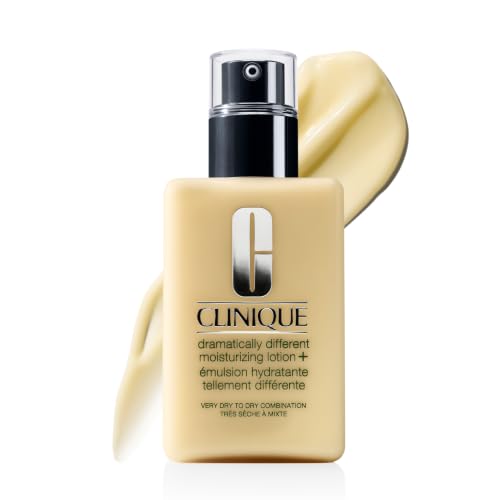
Clinique Dramatically Different Moisturizing Lotion+ | Hydrating Face Mositurizer With Glycerin and Urea | Strengthens Skin Barrier | Step 3 in 3-Step Skin Care Routine, 4.2 Fl Oz
Check price on Amazon
Clinique Smart Clinical Repair Wrinkle Correcting Cream | Anti-Aging Face Cream with Hyaluronic Acid + Peptides | For All Skin Types | Hydrating, Mini Travel Size, 0.5 Fl Oz
Check price on Amazon
Clinique Smart Clinical Repair Anti Aging Overnight Recovery Face Cream + Mask For All Skin Types | With Hyaluronic Acid + Peptides | Hydrating | Repairs Lines + Wrinkles, 1.7 Fl Oz
Check price on Amazon