Vitamin C and Retinol Serum: The Complete Guide
Understand how these two powerhouse ingredients work, why they are often paired, and how to layer them safely to get brighter, firmer, and more even-looking skin.
Why this guide matters: If you are researching vitamin C and retinol serums before buying, you are likely comparing formulas, strengths, and routines. This guide explains what each ingredient does, how they complement each other, and which product tier best matches your skin goals so you can choose with confidence.
What Is a Vitamin C Serum?
A vitamin C serum is a concentrated skincare formula built around ascorbic acid or one of its stabilized derivatives. Vitamin C is a well-known antioxidant that helps neutralize free radicals from UV exposure and pollution, supports collagen production, and can visibly brighten dull skin while fading the look of dark spots. Common forms include L-ascorbic acid, sodium ascorbyl phosphate, magnesium ascorbyl phosphate, and ascorbyl glucoside. If you are specifically targeting uneven tone, you may want to explore a vitamin C serum for hyperpigmentation, while those with reactive skin may prefer a vitamin C serum for sensitive skin formulated with gentler derivatives.
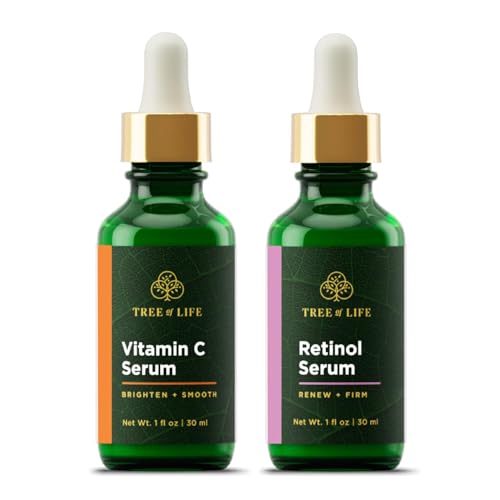
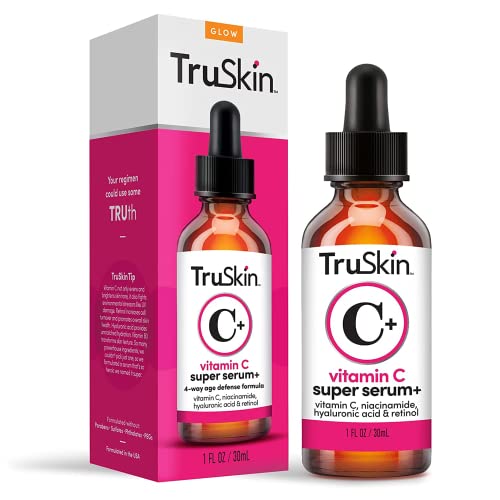
Serums are lightweight and designed to deliver active ingredients deeper into the skin than creams or lotions. Because vitamin C is unstable when exposed to light and air, premium formulas typically use opaque or airless packaging to preserve potency. For dry skin types, a vitamin C serum for dry skin often includes hydrating support like hyaluronic acid or glycerin, making it more comfortable to layer.
What Is a Retinol Serum?
Retinol is a vitamin A derivative widely used in skincare for its ability to support skin renewal. It works by encouraging surface cell turnover and stimulating collagen, which can improve the appearance of fine lines, texture, and post-acne marks. Retinol serums are typically used at night because the ingredient can make skin more sensitive to sunlight. If you are concerned about the early signs of aging around the eyes, a dedicated eye cream for wrinkles can complement a retinol routine without over-treating the delicate eye area.
Modern retinol serums range from entry-level formulas with low concentrations and soothing buffers to premium encapsulated versions that release the active gradually. Encapsulation helps reduce irritation while maintaining efficacy, which is why mid-range and high-end retinol serums often feel gentler than older formulations.
How Vitamin C and Retinol Work Together
Vitamin C and retinol are often described as complementary because they target overlapping but distinct skin concerns. Vitamin C focuses on antioxidant protection and brightening, while retinol focuses on renewal and texture. Used together, they can support a more even, firmer, and radiant complexion. However, both are active ingredients, so the key is to layer them strategically rather than aggressively.
Brightening + Renewal
Vitamin C helps fade the look of dark spots while retinol encourages smoother surface texture.
Antioxidant + Collagen Support
Vitamin C defends against environmental stress, while retinol supports collagen for a firmer look.
AM and PM Synergy
Using vitamin C in the morning and retinol at night lets each ingredient work at its ideal time.
Improved Tone and Texture
Together they can address dullness, uneven tone, and rough texture for a more refined appearance.
Vitamin C vs. Retinol: Side-by-Side
| Feature | Vitamin C Serum | Retinol Serum |
|---|---|---|
| Primary role | Antioxidant protection, brightening, tone correction | Cell renewal, texture refinement, collagen support |
| Best time to use | Morning | Night |
| Common forms | L-ascorbic acid, SAP, MAP, ascorbyl glucoside | Retinol, encapsulated retinol, retinaldehyde |
| Potential side effects | Tingling, mild irritation in high-strength formulas | Dryness, flaking, sensitivity during adjustment |
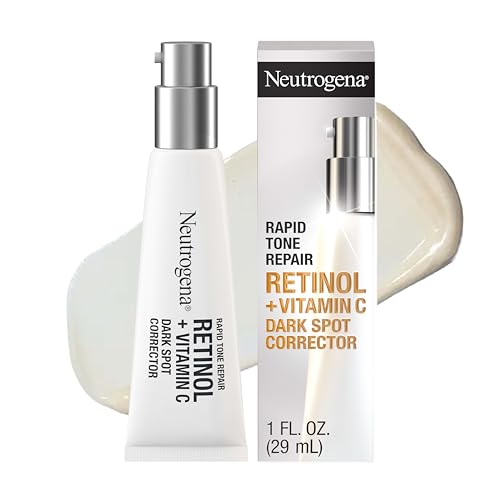
| Packaging matters | Opaque or airless to prevent oxidation | Opaque, airless, or tube to protect stability |
| Tier considerations | Entry-level formulas often use derivatives; premium options use stabilized L-ascorbic acid | Entry-level uses low retinol; premium options use encapsulation and soothing buffers |
How to Layer Vitamin C and Retinol Safely
The safest and most effective approach is to separate the two ingredients into morning and evening routines. This reduces the risk of irritation and lets each active work without competing for absorption. If your skin is already accustomed to both ingredients, you can use them in the same routine with careful layering, but beginners should always start slowly.
- Morning: Cleanse, then apply vitamin C serum to dry skin. Follow with a moisturizer and a broad-spectrum sunscreen.
- Evening: Cleanse, then apply retinol serum. Wait a few minutes before applying a nourishing moisturizer to reduce dryness.
- Start slow: Use retinol two to three nights per week and gradually increase frequency as your skin adjusts.
- Buffer if needed: Apply moisturizer before retinol (the sandwich method) if you experience flaking or tightness.
- Never skip sunscreen: Retinol can increase sun sensitivity, so daily SPF is essential for both safety and results.
Important: Do not layer high-strength vitamin C and high-strength retinol at the same time if your skin is not yet acclimated. Signs of overuse include persistent redness, stinging, and peeling. If these occur, pause both actives and focus on gentle hydration and barrier repair. For additional skin support, a face cream with ceramides can help restore comfort.
What to Look For Before Buying
Choosing the right vitamin C and retinol serum depends on your skin type, tolerance, and goals. Below are practical factors to evaluate before purchasing. You can also browse broader organic serums if you prefer naturally derived formulas, or explore top skin care products for a wider comparison.
1. Ingredient Form and Stability
For vitamin C, stabilized L-ascorbic acid at a moderate concentration is a strong choice for brightening, while derivatives like sodium ascorbyl phosphate are gentler for sensitive skin. For retinol, encapsulated formulas release the active gradually and are often better tolerated by beginners. Airless pumps and opaque bottles help preserve potency over time.
2. Supporting Ingredients
Look for supporting ingredients that improve comfort and efficacy. Vitamin E and ferulic acid can help stabilize vitamin C, while hyaluronic acid, glycerin, and ceramides can buffer retinol dryness. Formulas that include soothing agents like niacinamide or panthenol are often easier to integrate into a daily routine.
3. Product Tier and Skin Goals
Entry-level serums are a sensible starting point for beginners and sensitive skin, while mid-range options often offer better stabilization and encapsulation. Premium and luxury formulas may include advanced delivery systems and higher-quality packaging. The right tier depends on your experience level and how much you prioritize formulation elegance versus simplicity.
Who Should Consider This Routine?
A vitamin C and retinol routine is well-suited to people who want to address dullness, uneven tone, early fine lines, and rough texture. It is also a good fit for those who already have a basic cleanse-moisturize-sunscreen routine and are ready to add targeted actives. If you have very sensitive skin or a compromised barrier, introduce one product at a time and consult a dermatologist if you are unsure.
If your primary concern is dark circles rather than overall tone, a vitamin C serum for dark circles may be a more focused option. For those who prefer a minimalist approach, a minimalist skincare routine with just one active at a time can still deliver meaningful results.
Common Mistakes to Avoid
Many people see irritation not because the ingredients are wrong, but because they are introduced too quickly or layered too aggressively. Avoid starting both actives on the same day, avoid using high-strength formulas daily before your skin is ready, and never skip sunscreen. Also, avoid mixing retinol with other strong exfoliants like high-percentage acids in the same routine, as this can overwhelm the skin barrier.
Another common mistake is judging a product too early. Retinol typically requires several weeks of consistent use before visible changes appear, and vitamin C benefits build with regular daily application. Patience and consistency matter more than strength.
Frequently Asked Questions
Can I use vitamin C and retinol serum together?
Yes, they can be used together, but the safest approach is to apply vitamin C in the morning and retinol at night. This reduces the risk of irritation and lets each ingredient work at its ideal time.
Which comes first, vitamin C or retinol?
If you use them in the same routine, apply vitamin C first on clean skin, let it absorb, then apply retinol. However, dermatologists generally recommend separating them into morning and evening routines.
Is vitamin C and retinol serum suitable for beginners?
Beginners should start with a low-strength retinol and a gentle vitamin C derivative. Introduce one product at a time and use retinol two to three nights per week before increasing frequency.
What should I look for in a vitamin C and retinol serum?
Look for stabilized vitamin C such as L-ascorbic acid or sodium ascorbyl phosphate, encapsulated retinol for gentler delivery, airless packaging, and supporting ingredients like vitamin E and hyaluronic acid.
Final Thoughts
Vitamin C and retinol serums are two of the most researched and trusted actives in skincare. Used thoughtfully, they can support brighter, smoother, and more resilient-looking skin. The key is to respect your skin barrier, start slowly, and choose formulas that match your experience level and skin type. If you are ready to build a complete routine, explore our getting started guide for a step-by-step foundation, and remember that consistency and sun protection are what turn good ingredients into real results.