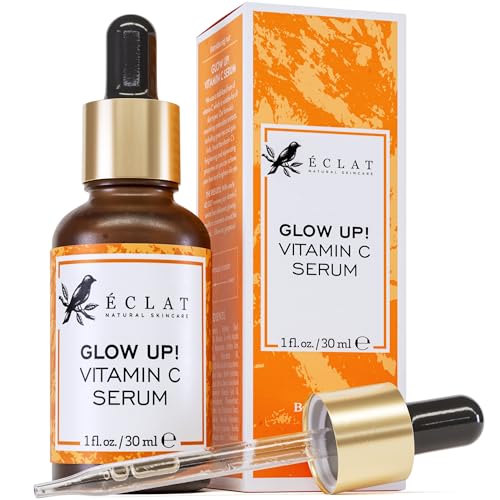
Vitamin C Serum for Hyperpigmentation
Discover how a well-formulated vitamin C serum can visibly fade dark spots, even out skin tone, and restore your skin's natural radiance. Your complete guide to choosing and using vitamin C for stubborn pigmentation.
What Is Hyperpigmentation and Why Does It Happen?
Hyperpigmentation is a common skin condition characterized by patches of skin that become darker than the surrounding area. It occurs when melanocytes—the cells responsible for producing melanin, the pigment that gives skin its color—become overactive and produce excess pigment. This excess melanin then deposits in the skin, creating visible dark spots or patches.
Common Types of Hyperpigmentation
- Post-Inflammatory Hyperpigmentation (PIH): Dark spots that appear after skin inflammation, such as acne breakouts, eczema, or injuries. This is especially common in medium to deep skin tones.
- Sun Spots (Solar Lentigines): Flat, brown spots caused by cumulative sun exposure over time. They typically appear on areas most exposed to the sun, like the face, hands, and shoulders.
- Melasma: Symmetrical, blotchy brown patches often triggered by hormonal changes, sun exposure, and genetics. It commonly affects the cheeks, forehead, and upper lip.
- Age Spots: Similar to sun spots, these develop gradually as a result of years of UV exposure and the natural aging process.
What Triggers Excess Melanin Production?
Several factors can stimulate melanin overproduction, including ultraviolet (UV) radiation from the sun, hormonal fluctuations (pregnancy, birth control), skin inflammation, and certain medications. Without proper protection and targeted treatment, these dark spots can persist for months or even years.
This is where targeted skincare ingredients like dark spot removers and dark spot correctors come into play—and vitamin C serum stands out as one of the most researched and trusted options for fading hyperpigmentation.
How Vitamin C Serum Works on Hyperpigmentation
Vitamin C (L-ascorbic acid) is a potent antioxidant that addresses hyperpigmentation through multiple mechanisms. Unlike single-action treatments, vitamin C works on several pathways simultaneously, making it a versatile and effective ingredient for uneven skin tone.
The Science Behind It
- Inhibits Tyrosinase Activity: Tyrosinase is the enzyme responsible for melanin production. Vitamin C binds to copper ions at the enzyme's active site, effectively reducing melanin synthesis and preventing new dark spots from forming.
- Reduces Oxidative Stress: Free radicals from UV exposure and pollution trigger melanin production. As a powerful antioxidant, vitamin C neutralizes these free radicals before they can stimulate excess pigment.
- Fades Existing Pigment: Vitamin C helps lighten existing melanin deposits by interrupting the oxidation process that darkens pigment. Over time, this leads to a more even, brighter complexion.
- Promotes Collagen Synthesis: Vitamin C is essential for collagen production, which helps thicken and strengthen the skin. Healthier skin reflects light more evenly, reducing the appearance of pigmentation.
- Enhances Sun Protection: When used alongside sunscreen, vitamin C provides additional antioxidant protection against UV-induced pigmentation, helping prevent new dark spots from forming.
💡 Expert Tip: Vitamin C serum is most effective when combined with daily broad-spectrum sunscreen. Without sun protection, UV rays can quickly undo the brightening progress made by your serum. For comprehensive protection, consider pairing your vitamin C routine with a quality face cream that contains SPF.
Key Benefits of Vitamin C for Dark Spots
Beyond fading hyperpigmentation, vitamin C serum offers a range of benefits that make it a valuable addition to any skincare routine. Here's what you can expect:
✨ Brightens Skin Tone
Vitamin C visibly brightens dull, tired-looking skin by reducing melanin production and promoting a more uniform complexion.
🎯 Fades Dark Spots
Regular use helps lighten existing hyperpigmentation, including acne scars, sun spots, and melasma patches.
🛡️ Antioxidant Protection
Neutralizes free radicals from UV rays and pollution, preventing new pigmentation from forming.
💪 Boosts Collagen
Stimulates collagen production for firmer, more resilient skin that better resists pigmentation triggers.
🌟 Improves Skin Texture
Smooths rough texture and minimizes the appearance of pores for a more refined, luminous complexion.
🔬 Enhances Other Treatments
Works synergistically with other brightening ingredients like niacinamide and tranexamic acid for enhanced results.
For those dealing with additional skin concerns, vitamin C can be combined with other targeted treatments. If you're also concerned about the delicate eye area, explore options like vitamin C serum for dark circles or a dedicated eye cream for wrinkles. For a comprehensive approach to anti-aging, consider reading about vitamin C and retinol serum combinations.
How to Choose the Right Vitamin C Serum
Not all vitamin C serums are created equal. The effectiveness of a serum depends on several factors, including the form of vitamin C used, concentration, formulation, and packaging. Understanding these elements will help you make an informed decision.
Types of Vitamin C
| Form of Vitamin C | Stability | Potency | Best For |
|---|---|---|---|
| L-Ascorbic Acid | Low (unstable) | Highest | Those who can tolerate it and want maximum results |
| Sodium Ascorbyl Phosphate (SAP) | High | Moderate | Sensitive skin and acne-prone skin |
| Magnesium Ascorbyl Phosphate (MAP) | High | Moderate | Dry and sensitive skin |
| Ascorbyl Glucoside | High | Moderate | All skin types, especially beginners |
| Tetrahexyldecyl Ascorbate (THD) | Very High | Moderate-High | Mature skin and those wanting oil-soluble vitamin C |
Packaging Matters
Vitamin C is notoriously unstable—it degrades when exposed to light, heat, and air. Choose serums packaged in:
- Opaque or dark glass bottles that protect from UV light
- Airless pump dispensers that minimize air exposure
- Amber or cobalt glass dropper bottles with tight-fitting caps
Avoid clear bottles or wide-mouth jars, as these allow vitamin C to degrade quickly and lose potency. If your serum turns brown or dark orange, it has oxidized and should be discarded.
⚠️ Important: When your vitamin C serum changes from its original color (usually pale yellow or clear) to a deep brown, it has oxidized and is no longer effective. Using oxidized vitamin C can actually promote free radical damage. Always check the color before each use and store your serum in a cool, dark place.
Understanding Concentration and Formulation
The concentration of vitamin C in a serum significantly affects its efficacy and tolerability. Here's a practical breakdown to help you choose the right level for your skin:
Concentration Guide
- 5%–10% (Entry-Level): Ideal for beginners, sensitive skin, and those new to vitamin C. Provides gentle brightening with minimal risk of irritation.
- 10%–15% (Mid-Range): A balanced option for most skin types. Offers effective hyperpigmentation treatment with manageable tolerance for regular use.
- 15%–20% (Premium): High-potency formulas for experienced vitamin C users seeking maximum brightening results. Can be irritating for sensitive skin.
- Above 20% (Luxury): Research suggests concentrations above 20% do not provide additional benefits and may increase irritation risk. These formulations are best left to those with resilient skin and prior experience.
For those with sensitive skin, consider starting with a vitamin C serum for sensitive skin that uses gentler derivatives or lower concentrations. If you have dry skin, a vitamin C serum for dry skin with added hydrating ingredients may be more suitable.
Supporting Ingredients to Look For
- Vitamin E (Tocopherol): Stabilizes vitamin C and enhances its antioxidant effects
- Ferulic Acid: Boosts vitamin C stability and doubles its photoprotection
- Hyaluronic Acid: Provides hydration to counteract potential dryness
- Niacinamide: Enhances brightening and strengthens the skin barrier (best used in a separate step)
- Tranexamic Acid: Targets stubborn pigmentation, especially melasma—learn more about tranexamic acid for skin
How to Use Vitamin C Serum Correctly
Applying vitamin C serum correctly maximizes its effectiveness while minimizing the risk of irritation. Follow these step-by-step instructions for best results:
- Cleanse: Start with a clean face. Use a gentle cleanser suitable for your skin type and pat dry.
- Apply in the Morning: Vitamin C works best in the morning, providing antioxidant protection throughout the day against UV and pollution. Apply 3–5 drops to your fingertips.
- Pat Gently: Gently pat the serum onto your face and neck. Avoid rubbing, which can irritate the skin. Focus on areas with hyperpigmentation.
- Wait: Allow the serum to absorb for 1–2 minutes before applying the next product.
- Layer Moisturizer: Follow with a hydrating moisturizer to lock in moisture and support the skin barrier.
- Apply Sunscreen: Finish with a broad-spectrum sunscreen with SPF 30 or higher. This is non-negotiable for hyperpigmentation treatment.
Frequency
Start with 2–3 times per week if you're new to vitamin C or have sensitive skin. Gradually increase to daily use as your skin builds tolerance. Consistent daily use is key to seeing results.
💡 Application Tip: Store your vitamin C serum in the refrigerator to extend its shelf life and provide a soothing, cooling effect upon application. This is especially helpful for those with sensitive or reactive skin.
Ingredients That Work Well With Vitamin C
Strategic ingredient pairing can enhance the effectiveness of your vitamin C serum while addressing multiple skin concerns simultaneously. Here are some of the most beneficial combinations:
Excellent Pairings
- Vitamin C + Sunscreen: The gold standard for hyperpigmentation prevention and treatment. Vitamin C neutralizes free radicals while sunscreen blocks UV damage.
- Vitamin C + Hyaluronic Acid: Hyaluronic acid provides intense hydration, counteracting any potential dryness from vitamin C while plumping the skin.
- Vitamin C + Niacinamide: Both ingredients target pigmentation through different pathways. Use niacinamide in the evening and vitamin C in the morning, or use a formulated serum that combines both.
- Vitamin C + Retinol: A powerful anti-aging and brightening duo. Use vitamin C in the morning and retinol at night to avoid irritation. Explore more in our guide on vitamin C and retinol serum.
- Vitamin C + Tranexamic Acid: An excellent combination for stubborn melasma and post-inflammatory hyperpigmentation. Learn about tranexamic acid for skin.
Ingredients to Use with Caution
- Benzoyl Peroxide: Can oxidize vitamin C, reducing its effectiveness. Use at different times of day.
- AHA/BHA Acids: Can increase skin sensitivity when combined with high-concentration vitamin C. Use lower concentrations and monitor your skin's response.
For those exploring natural alternatives, ingredients like aloe vera and green tea skincare can provide soothing and antioxidant benefits that complement vitamin C. If you prefer organic options, consider reading about organic serums and natural skin remedies.
Realistic Timeline: What to Expect
Patience is essential when treating hyperpigmentation with vitamin C. Here's a realistic timeline of what you can expect:
| Timeframe | What You May Notice |
|---|---|
| Weeks 1–2 | Skin may feel smoother and look slightly brighter. Some may experience mild tingling or redness (normal for L-ascorbic acid). |
| Weeks 3–4 | Gradual brightening of overall skin tone. Dark spots may begin to appear slightly lighter, though changes are subtle. |
| Weeks 6–8 | Visible improvement in hyperpigmentation. Dark spots become noticeably lighter, and skin looks more even and luminous. |
| Weeks 12+ | Significant fading of dark spots. Continued use maintains results and prevents new pigmentation from forming. |
| 6 Months | Optimal results for most users. Hyperpigmentation is substantially reduced, and skin tone is markedly more uniform. |
Keep in mind that individual results vary based on skin type, the severity of hyperpigmentation, the concentration of vitamin C used, and consistency of application. For deeper skin tones, PIH can take longer to fade due to the skin's natural melanin production.
Common Mistakes to Avoid
Even with a high-quality vitamin C serum, certain mistakes can hinder your progress or cause skin irritation. Here are the most common pitfalls to avoid:
- Skipping Sunscreen: This is the single biggest mistake. Without sun protection, UV rays will continue to trigger melanin production, undoing the brightening effects of your serum.
- Using an Oxidized Serum: If your serum has turned dark brown, it has oxidized and lost its efficacy. Discard it and replace with a fresh bottle.
- Starting Too High: Jumping straight into a 20% concentration can cause irritation, especially for sensitive skin. Start lower and build tolerance.
- Applying to Wet Skin: L-ascorbic acid can be more irritating on damp skin. Apply to dry skin after cleansing.
- Mixing with Incompatible Ingredients: Avoid layering vitamin C directly with benzoyl peroxide or strong acids in the same routine step.
- Inconsistent Use: Vitamin C requires regular, consistent application to show results. Missing days frequently will slow your progress.
- Improper Storage: Leaving your serum in a hot, sunny bathroom accelerates oxidation. Store in a cool, dark place or refrigerate.
⚠️ Remember: Hyperpigmentation treatment is a marathon, not a sprint. Consistency, patience, and sun protection are the three pillars of success. If you have persistent or worsening pigmentation, consult a dermatologist or explore professional skin tightening treatments or visit a skin clinic for personalized advice.
Frequently Asked Questions
How long does vitamin C serum take to fade hyperpigmentation?
Most people see visible improvement after 8 to 12 weeks of consistent daily use. Dark spots may begin to lighten gradually, with more significant results appearing after 3 to 6 months. Consistency and sun protection are essential for optimal results.
Can I use vitamin C serum with retinol?
Yes, but it's best to use them at different times of day. Apply vitamin C serum in the morning for antioxidant protection and use retinol at night. This combination can enhance hyperpigmentation treatment while minimizing irritation. Learn more in our guide on vitamin C and retinol serum.
What concentration of vitamin C is best for hyperpigmentation?
A concentration between 10% and 20% L-ascorbic acid is generally most effective. Beginners should start with 10% and gradually increase. Concentrations above 20% may cause irritation without additional benefits.
Does vitamin C serum work on all types of hyperpigmentation?
Vitamin C is effective for post-inflammatory hyperpigmentation (PIH), sun spots, and melasma. However, results vary by skin type and pigmentation cause. For stubborn or hormonal pigmentation, combine vitamin C with other brightening ingredients like tranexamic acid and consult a dermatologist.
Can vitamin C serum cause skin purging or irritation?
Vitamin C is not known to cause purging (unlike retinoids or acids). However, high concentrations of L-ascorbic acid can cause stinging, redness, or irritation, especially on sensitive skin. If irritation occurs, reduce frequency or switch to a gentler derivative like sodium ascorbyl phosphate. Explore vitamin C serum for sensitive skin options.
Should I use vitamin C serum in the morning or at night?
Morning application is generally recommended because vitamin C provides antioxidant protection against UV rays and environmental aggressors throughout the day. However, you can use it at night if you prefer—just ensure you apply sunscreen the following morning.
Can I use vitamin C serum during pregnancy?
Vitamin C is generally considered safe during pregnancy. However, it's always best to consult with your healthcare provider before introducing any new skincare product during pregnancy or breastfeeding.
Ready to Start Your Brightening Journey?
Now that you understand how vitamin C serum works for hyperpigmentation, you're equipped to make an informed choice. Explore our recommended products below to find the best vitamin C serum for your skin type and concerns.
View Recommended Serums ↓