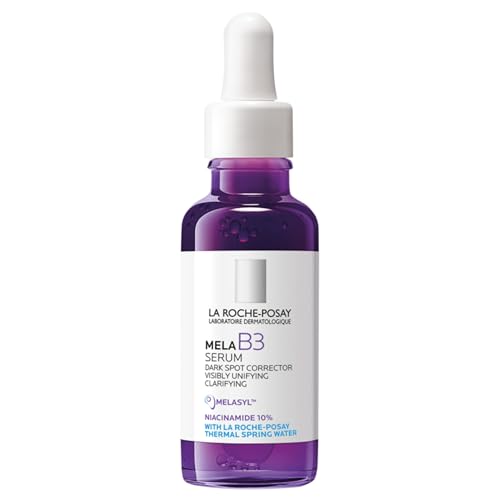
Dark Spot Corrector: Your Guide to Fading Hyperpigmentation
Understand how dark spot correctors work, discover the most effective ingredients, and learn how to build a targeted routine that fades hyperpigmentation and restores an even, luminous skin tone.
SHOP DARK SPOT CORRECTORSWhy Dark Spots Appear: Dark spots, also called hyperpigmentation, develop when excess melanin is produced in response to sun exposure, hormonal changes, inflammation, or skin injury. A targeted dark spot corrector helps interrupt that melanin production cycle, allowing the skin to gradually return to its natural, even tone over time.
What Is a Dark Spot Corrector and How Does It Work?
A dark spot corrector is a targeted skincare product formulated to reduce the appearance of hyperpigmentation — those stubborn brown, tan, or grey patches that appear on the face, hands, and body. Unlike general moisturizers or cleansers, dark spot correctors contain concentrated active ingredients that specifically interfere with melanin production, accelerate cellular turnover, or block the pathways that lead to excess pigment.
These formulas typically come as serums, spot treatments, or essences, and they are designed to be layered into your existing skincare routine. The most effective correctors combine multiple actives — such as vitamin C, niacinamide, or tranexamic acid — to address pigmentation through different mechanisms simultaneously. For a broader look at brightening products that support an even tone, explore our guide to vitamin C serum for hyperpigmentation.
Consistency is the key. Dark spots form over months or years, and they fade gradually. Most dermatologists agree that visible improvement requires at least eight to twelve weeks of daily use combined with diligent sun protection. Without sunscreen, even the best dark spot corrector will struggle to deliver results, because UV exposure continually triggers new pigment production.
Common Types of Dark Spots
Not all dark spots are the same, and understanding the type you are dealing with helps you choose the right corrector. Here are the most common categories:
- Sun spots (solar lentigines): Flat brown spots caused by cumulative UV exposure, common on the face, hands, and shoulders. These often respond well to vitamin C and exfoliating acids.
- Post-inflammatory hyperpigmentation (PIH): Dark marks left behind after acne, eczema, or skin injury. Niacinamide and azelaic acid are particularly effective here.
- Melasma: Symmetrical, patchy pigmentation often triggered by hormones and sun exposure. Tranexamic acid and azelaic acid are leading over-the-counter options.
- Age spots: Similar to sun spots, these appear more frequently with age and require consistent brightening and sun protection.
- Freckles: Genetic pigmentation that darkens with sun exposure; correctors can soften them, but sun protection remains essential.
If you are unsure which type of pigmentation you have, or if a spot changes shape, color, or bleeds, consult a dermatologist. Our skin clinic guide explains when professional evaluation is recommended.
Key Ingredients in Dark Spot Correctors
The effectiveness of a dark spot corrector depends almost entirely on its active ingredients. Below are the most researched and widely recommended actives, along with what they do best. Each is available at different quality tiers, from budget-friendly drugstore formulas to premium and luxury options.
Vitamin C
A powerful antioxidant that inhibits melanin production and brightens overall skin tone. Best for sun-induced spots and dullness. Available across entry-level to luxury formulations.
Stabilized forms like ascorbyl glucoside suit sensitive skin, while L-ascorbic acid delivers the most potent results.
Niacinamide
Also known as vitamin B3, it reduces melanin transfer to skin cells and strengthens the barrier. Ideal for post-acne marks and sensitive skin. Found in affordable to high-end serums.
Well-tolerated by most skin types and pairs well with other actives.
Tranexamic Acid
Targets melasma and stubborn pigmentation by interrupting the inflammatory pathways that trigger melanin production. Increasingly available in mid-priced and premium serums.
Often combined with niacinamide or vitamin C for enhanced results.
Azelaic Acid
Reduces pigmentation and redness, making it especially useful for rosacea-prone or acne-prone skin. Available in drugstore and prescription-strength options.
Gentle enough for sensitive skin when introduced gradually.
Retinol & Retinoids
Accelerate cell turnover to fade existing pigment and prevent new spots. Best used at night, with careful sun protection during the day.
Encapsulated formulas in premium ranges reduce irritation.
Alpha Arbutin
A gentler alternative to hydroquinone that inhibits melanin production. Suitable for daily use and available across budget-friendly to premium brands.
Often paired with vitamin C for synergistic brightening.
For a deeper dive into specific actives, see our guides on tranexamic acid for skin and vitamin C serum for sensitive skin. If you prefer a natural approach, our article on natural skin remedies covers plant-based brightening options.
How to Choose the Right Dark Spot Corrector
With so many options on the market, selecting the right corrector comes down to your skin type, the type of pigmentation, and your tolerance for active ingredients. Consider these guidelines:
- For oily or acne-prone skin: Choose lightweight, non-comedogenic serums with niacinamide or azelaic acid. Avoid heavy creams that can clog pores. A vitamin C serum in a water-based formula works well.
- For dry or mature skin: Look for correctors that include hydrating ingredients like hyaluronic acid or glycerin alongside actives. A face cream layered over the corrector helps seal in moisture.
- For sensitive skin: Start with lower concentrations of gentle actives like niacinamide or alpha arbutin. Patch-test first and introduce one product at a time. Our minimalist skincare guide can help you build a simple, low-irritation routine.
- For melasma: Prioritize tranexamic acid or azelaic acid formulas, and pair them with rigorous sun protection. Consider a skin tightening treatment consultation if OTC options plateau.
- For body spots: Body-specific correctors or brightening lotions can be applied to hands, arms, and legs. A body lotion with niacinamide is a practical daily option.
Always check the ingredient list for the active concentration and the packaging. Vitamin C, for example, degrades quickly when exposed to light and air, so opaque, airless pumps are preferable to jars. For premium and luxury tiers, you are often paying for better stabilization technology and elegant textures, while entry-level and mid-range options can still deliver solid results with consistent use.
How to Use a Dark Spot Corrector Effectively
Application technique and routine order matter as much as the product itself. Follow these steps for the best results:
- Cleanse gently: Use a mild cleanser to remove impurities without stripping the skin. A face wash suited to your skin type is the foundation of any brightening routine.
- Apply to clean, dry skin: Most correctors work best on bare skin before heavier products. Follow the product's instructions — some are applied to the entire face, others only to spots.
- Layer with a hydrating serum or moisturizer: Support the skin barrier with a face serum or moisturizer. This is especially important when using retinol or exfoliating acids.
- Use sunscreen every morning: This is non-negotiable. UV exposure reverses the progress made by any dark spot corrector. Choose a broad-spectrum sunscreen with SPF 30 or higher and reapply during the day.
- Be patient and consistent: Use the corrector daily as directed for at least two to three months. Take photos in consistent lighting to track progress objectively.
💡 Expert Tip: The Role of Exfoliation
Gentle chemical exfoliation with alpha-hydroxy acids (AHAs) or beta-hydroxy acids (BHAs) can enhance the effects of a dark spot corrector by removing pigmented surface cells. However, do not over-exfoliate — two to three times per week is typically sufficient. Over-exfoliation compromises the skin barrier and can worsen inflammation-driven pigmentation. Pair exfoliation with barrier-supporting ingredients like ceramides and panthenol. If you are exploring tools to support absorption, a facial cleansing brush can help ensure thorough cleansing, but avoid aggressive scrubbing on active spots.
Comparing Dark Spot Corrector Formats
Dark spot correctors come in several formats, each with distinct advantages. The table below summarizes how they compare so you can choose the one that fits your lifestyle and skin needs.
| Format | Best For | Key Advantage | Typical Tier |
|---|---|---|---|
| Serum | Targeted treatment on face and neck | High concentration of actives; lightweight | Entry-level to luxury |
| Spot Treatment | Isolated dark spots and post-acne marks | Precise application; strong actives | Budget-friendly to premium |
| Essence / Toner | Overall brightening and prevention | Layering-friendly; gentle daily use | Mid-range to high-end |
| Cream / Moisturizer | Dry skin needing hydration plus brightening | Combines moisture with pigment control | All tiers |
| Sheet Mask / Patch | Quick brightening boost before events | Intensive short-term treatment | Affordable to premium |
For targeted under-eye concerns, a under-eye patch for dark circles can complement a facial corrector. If your pigmentation is accompanied by dullness, a vitamin C serum for dry skin may deliver both brightness and hydration.
Preventing New Dark Spots
Correcting existing pigmentation is only half the battle — preventing new spots is equally important. The single most effective preventive measure is daily sun protection. UV rays stimulate melanocytes to produce melanin, which is why sun exposure is the primary driver of most hyperpigmentation.
- Wear broad-spectrum sunscreen daily, even on cloudy days and indoors near windows. A mineral sunscreen is a good option for sensitive skin.
- Reapply sunscreen every two hours when outdoors, and use protective clothing, hats, and sunglasses.
- Avoid picking at acne or scabs, which increases the risk of post-inflammatory hyperpigmentation.
- Support skin health from within by eating antioxidant-rich foods. Our skin health diet guide explains which nutrients support an even tone.
- Manage stress and sleep, as poor sleep and chronic stress can worsen inflammation and pigmentation. Explore our beauty sleep tips and stress management techniques.
For those dealing with hormonal pigmentation, combining a corrector with lifestyle support — including yoga for glowing skin and a consistent self-care routine — can create a holistic approach to skin health.
Common Mistakes to Avoid
Even with a high-quality dark spot corrector, certain habits can undermine your results. Avoid these common pitfalls:
- Skipping sunscreen: The most common reason dark spot treatments fail. UV exposure continually triggers new pigment.
- Using too many actives at once: Layering vitamin C, retinol, and exfoliating acids simultaneously can irritate the skin and worsen pigmentation. Introduce one active at a time.
- Expecting overnight results: Hyperpigmentation fades gradually. Give any corrector at least eight to twelve weeks of consistent use.
- Over-exfoliating: Aggressive scrubbing or daily acid use can damage the barrier and trigger inflammation-driven pigmentation.
- Ignoring product storage: Vitamin C and retinol degrade with light and heat. Store them in cool, dark places and use them within the recommended period.
If you are unsure whether a product is right for your skin, our getting started guide offers a beginner-friendly framework for building a safe, effective routine.
Frequently Asked Questions About Dark Spot Correctors
Ready to Fade Dark Spots and Reveal Even, Radiant Skin?
Explore our curated selection of highly rated dark spot correctors, serums, and brightening treatments — all in one place.
VIEW RECOMMENDED PRODUCTS